
 Shutterstock
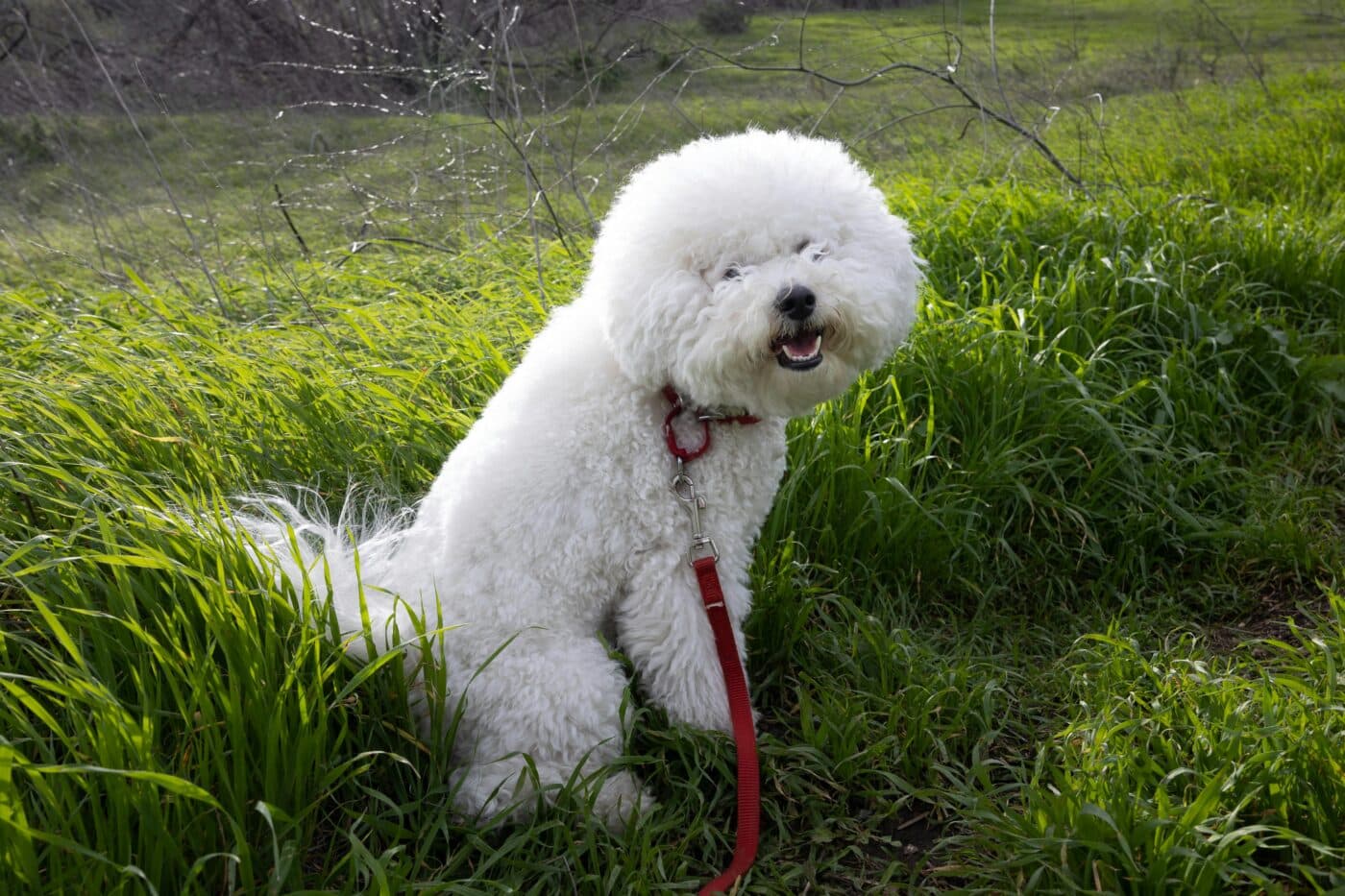
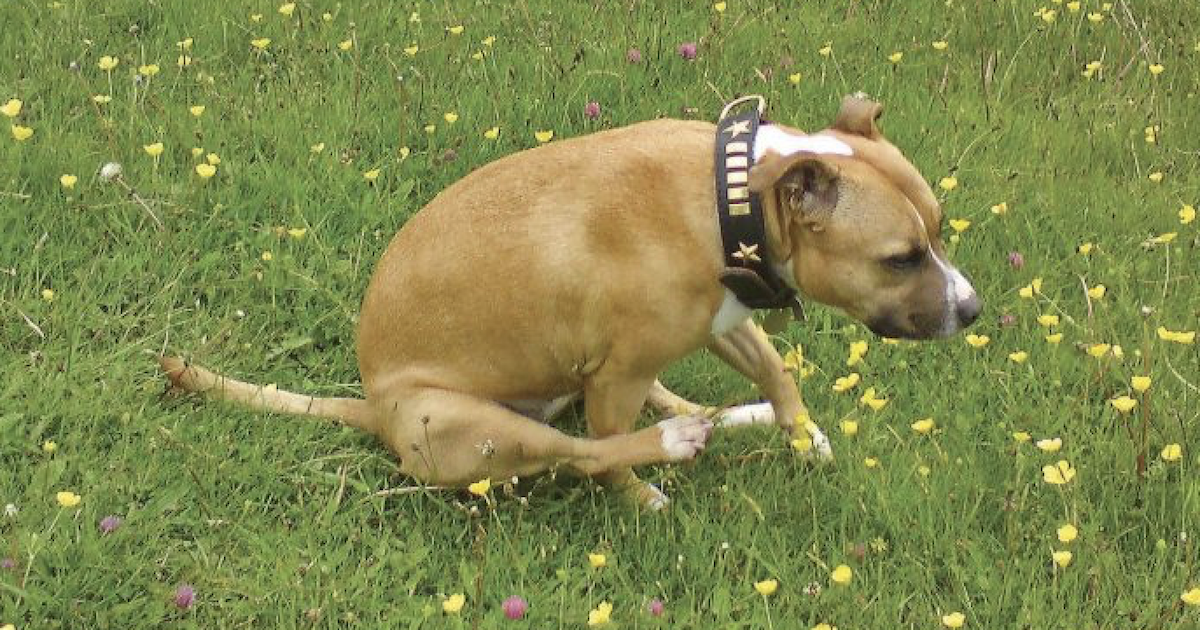
Dogs dragging their butts on the ground, commonly known as “scooting,” is a behavior that can perplex or concern many pet owners. While it might seem quirky or amusing, this behavior is often a sign of discomfort or a more serious underlying issue. Scooting can be a dog’s way of relieving irritation, pain, or itchiness, often indicating that something isn’t quite right. It’s important to understand the possible causes so that you can address the issue properly and ensure your dog’s comfort and health.
Anal Gland Issues
 Shutterstock
One of the most common reasons for scooting is related to a dog’s anal glands. These glands, located on either side of the anus, secrete a fluid that helps mark territory. If the glands become impacted, infected, or don’t empty properly, they can cause significant discomfort. The pressure and irritation can prompt the dog to drag its butt along the ground in an attempt to relieve the discomfort. In severe cases, abscesses or infections can form, requiring medical attention. Regular anal gland expression by a vet or groomer can help prevent these issues.
Worm Infestation
 Shutterstock
Worms, particularly tapeworms, can also cause scooting. Tapeworms release egg sacs that can cause itchiness and irritation around the dog’s anus. This discomfort leads to scooting as the dog tries to relieve the sensation. Sometimes, small, rice-like segments near your dog’s rear or in their stool indicate a tapeworm infection. If worms are the cause, your vet can prescribe deworming medication to resolve the issue and provide relief for your dog.
Allergies
 Shutterstock
Allergies related to food, environmental factors, or contact irritants can cause itchiness in various parts of a dog’s body, including the rear. Dogs with allergies may experience inflamed or irritated skin around their anus, prompting them to scoot. This itching can be due to pollen, dust mites, or even a reaction to certain ingredients in their food. Identifying and addressing the specific allergen with dietary changes, medications, or antihistamines can help alleviate the problem and reduce the scooting behavior.
Flea Infestations
 Shutterstock
Fleas, especially if they concentrate around the tail base and lower back, can lead to intense itching that causes a dog to scoot. Fleas may bite the skin around the anus, leading to localized irritation and discomfort. The residual irritation may persist even after fleas are removed, causing continued scooting. Using flea-prevention products and ensuring a clean and flea-free environment can help reduce this issue and keep your dog comfortable.
Rectal Prolapse
 Shutterstock
A rectal prolapse can cause a dog to drag its rear on the ground in more severe cases. This condition occurs when part of the rectum protrudes through the anus, causing pain and discomfort. While rare, this condition requires immediate veterinary attention, which can lead to further complications if untreated. Scooting is often a sign of discomfort or an attempt by the dog to push the prolapsed tissue back into place. Surgery is usually required to correct the problem.
Skin Irritation or Dermatitis
 Shutterstock
Dogs with sensitive skin or dermatitis may experience itching or irritation around their anus, which can lead to scooting. Several factors, including insect bites, fungal infections, or contact with irritating substances, can cause dermatitis. The affected skin may become inflamed, red, and itchy, leading the dog to drag its bottom along the ground for relief. Identifying the source of the irritation and treating it with topical ointments or medicated shampoos can help alleviate the discomfort.
Impacted Fecal Matter
 Shutterstock
Sometimes, dogs drag their butts because fecal matter becomes trapped in the fur around their anus. This is particularly common in dogs with long coats, such as Shih Tzus or Yorkshire Terriers. The buildup of fecal matter can create irritation and itchiness, leading the dog to scoot in an attempt to clean the area. Regular grooming and hygiene, especially trimming the fur around the rear, can help prevent this. In some cases, a simple bath can resolve the issue.
Perianal Tumors
 Shutterstock
Older dogs may be more prone to developing tumors around the anus, known as perianal tumors. These can be benign or malignant but often cause discomfort or pain, leading to scooting. The tumors can irritate the surrounding skin or make it difficult for the dog to pass stools comfortably, leading to increased scooting as they try to relieve the pressure. If you suspect your dog has a tumor, it’s important to seek veterinary care to determine whether surgery or other treatments are needed.
Full or Irritated Bladder
 Shutterstock
A full bladder or urinary tract issue can sometimes cause discomfort near a dog’s rear end, leading to scooting behavior. A dog experiencing urinary tract infections, bladder stones, or other urinary issues may scoot to relieve pressure or discomfort. Frequent urination, straining, or blood in the urine indicates that your dog might have a bladder issue. In these cases, prompt veterinary attention is necessary to diagnose and treat the condition before it worsens.
Foreign Objects
 Shutterstock
Foreign objects like small pieces of grass, sticks, or debris can sometimes get lodged around a dog’s anus, causing discomfort and prompting them to scoot. This can happen after playing outside or walking through tall grass. The irritation from the foreign object will cause the dog to drag its butt on the ground to try and dislodge whatever is stuck. Inspecting your dog after outdoor activities and keeping their rear area clean can help prevent this issue.
Behavioral Causes
 Shutterstock
Sometimes, dogs scoot out of boredom, anxiety, or to get attention. While this is less common than physical causes, dogs that are left alone for long periods or don’t receive enough mental and physical stimulation may develop scooting to entertain themselves or seek attention from their owners. If your dog’s scooting seems to occur more frequently when bored or anxious, addressing their mental and emotional needs with more exercise, playtime, and interaction can help reduce the behavior.
Anal Gland Abscesses
 Shutterstock
In some cases, if a dog’s anal glands become severely infected or impacted, abscesses can form. These abscesses are extremely painful and can cause intense scooting as the dog attempts to relieve the pressure. The area around the anus may appear swollen or discolored, and in severe cases, the abscess may rupture, releasing pus. Immediate veterinary care is essential in these cases, as the infection must be treated, and the abscess may need to be drained.
Understanding and Addressing Scooting
 Shutterstock
Dogs dragging their butts on the ground may appear harmless, but it often points to an underlying issue requiring attention. Whether caused by anal gland problems, parasites, or allergies, addressing the root cause is vital for your dog’s health and comfort. Regular grooming, a well-balanced diet, and routine vet check-ups can prevent many of these problems from occurring. By being vigilant and understanding why scooting happens, pet owners can help their dogs stay happy, healthy, and free from discomfort, ensuring their overall well-being and comfort in the long term.