 Shutterstock
Some animals captivate our imaginations and seem like intriguing companions. Still, many are illegal to own in various U.S. states due to potential dangers, ecological risks, and threats to public safety. From exotic wild cats to massive reptiles, these creatures pose unique challenges and risks that make them unsuitable for private ownership. For those considering an unconventional pet, knowing which animals are restricted is essential, as it helps prevent legal issues and ensures the safety of both the public and the animals. Responsible ownership starts with understanding these restrictions.
Fennec Fox
 Shutterstock
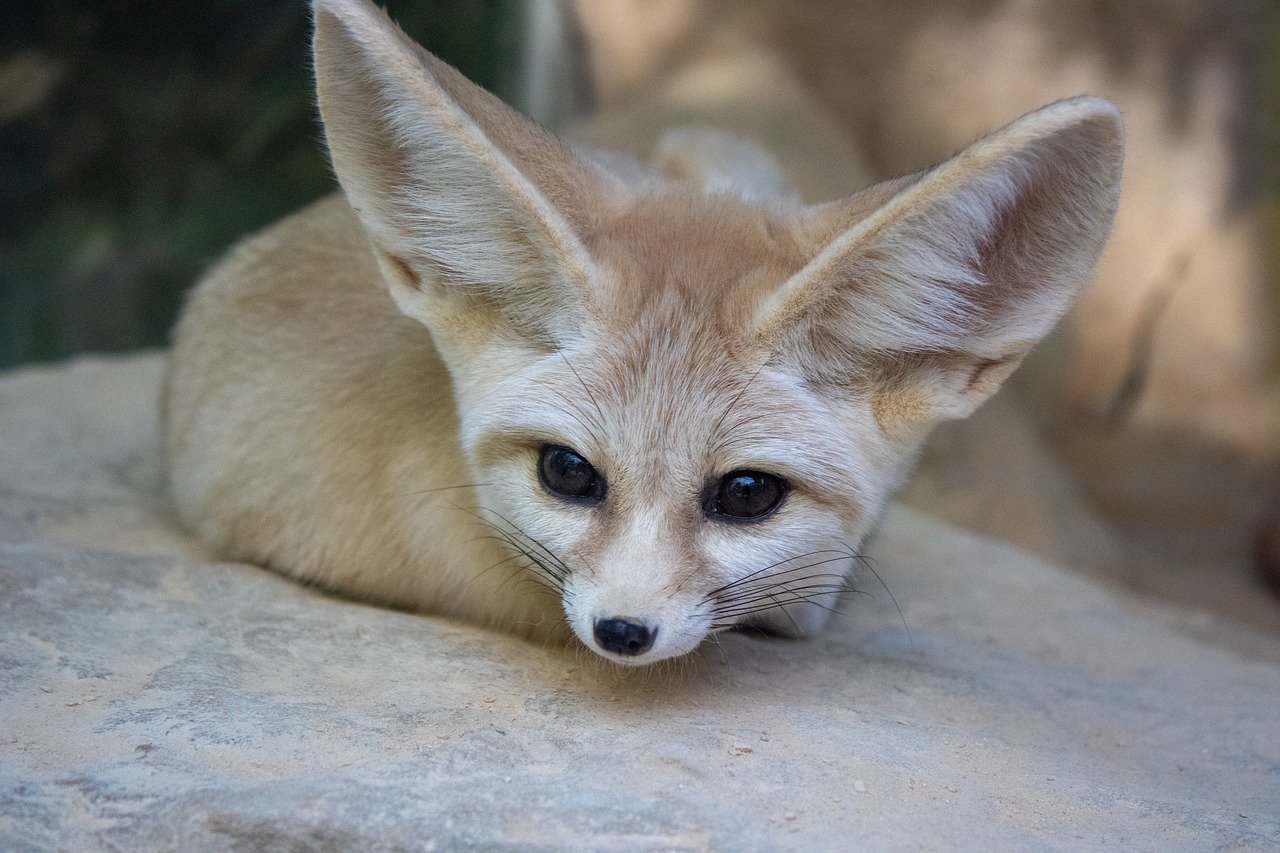
The adorable fennec fox, native to the Sahara Desert, has big ears, a small body, and a playful demeanor, making it appealing to exotic pet enthusiasts. However, these foxes are illegal in many states because they’re wild animals that require a specialized diet and plenty of space to roam. Though small, they’re not domesticated and can be unpredictable in behavior, especially around unfamiliar people. They’re also nocturnal, which can make them challenging to care for. Due to their wild nature and unique needs, most states prohibit owning fennec foxes to protect both the animal and the owner.
Big Cats (Lions, Tigers, Leopards)
 Shutterstock
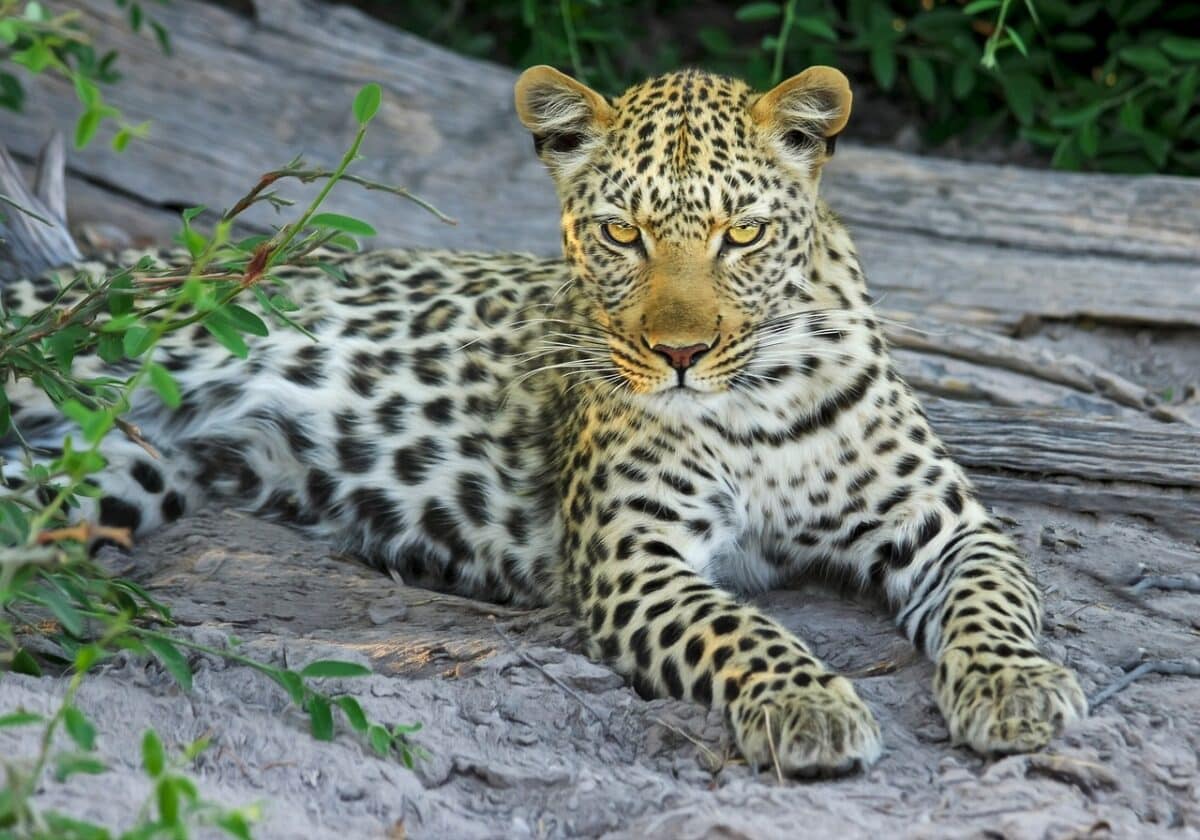
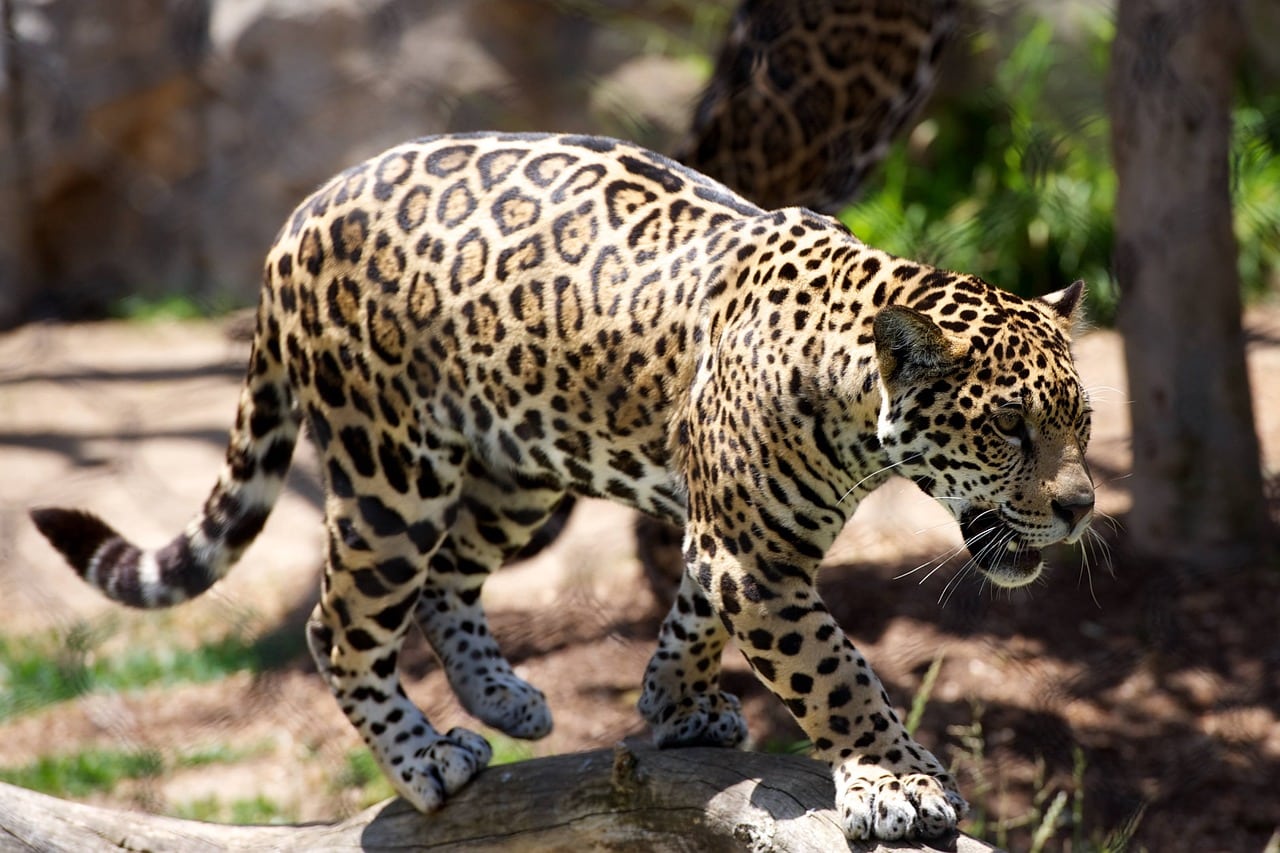
Big cats like lions, tigers, and leopards are iconic animals, but their strength, size, and natural predatory instincts make them dangerous as pets. These cats are difficult to house, require a specialized diet, and need vast enclosures to move comfortably. Their unpredictable behavior, especially when they reach maturity, poses serious safety risks for their owners and the general public. Because of these factors, big cats are illegal to own in many states, and the USDA enforces strict regulations on owning these majestic but risky animals.
Alligators and Crocodiles
 Shutterstock
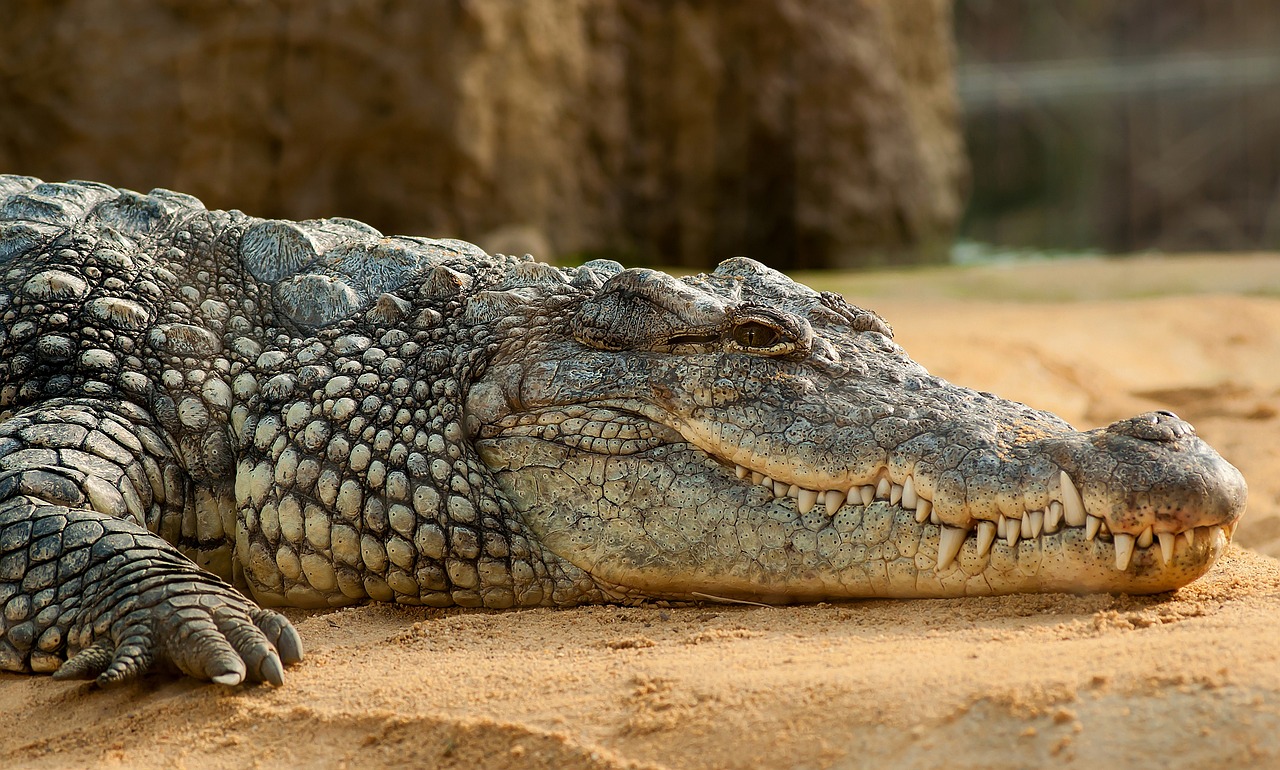
While owning a mini dinosaur might seem thrilling, alligators and crocodiles are powerful, aggressive reptiles with formidable jaws that can cause significant injury. They require specialized care and large enclosures and are difficult to control, making them dangerous for typical households. Many states, particularly those where alligators are not native, ban these animals as pets due to the risks they pose to public safety. Even in states where they are allowed, there are often strict permitting requirements and guidelines to ensure these reptiles are contained safely.
Wolf-Dog Hybrids
 Shutterstock
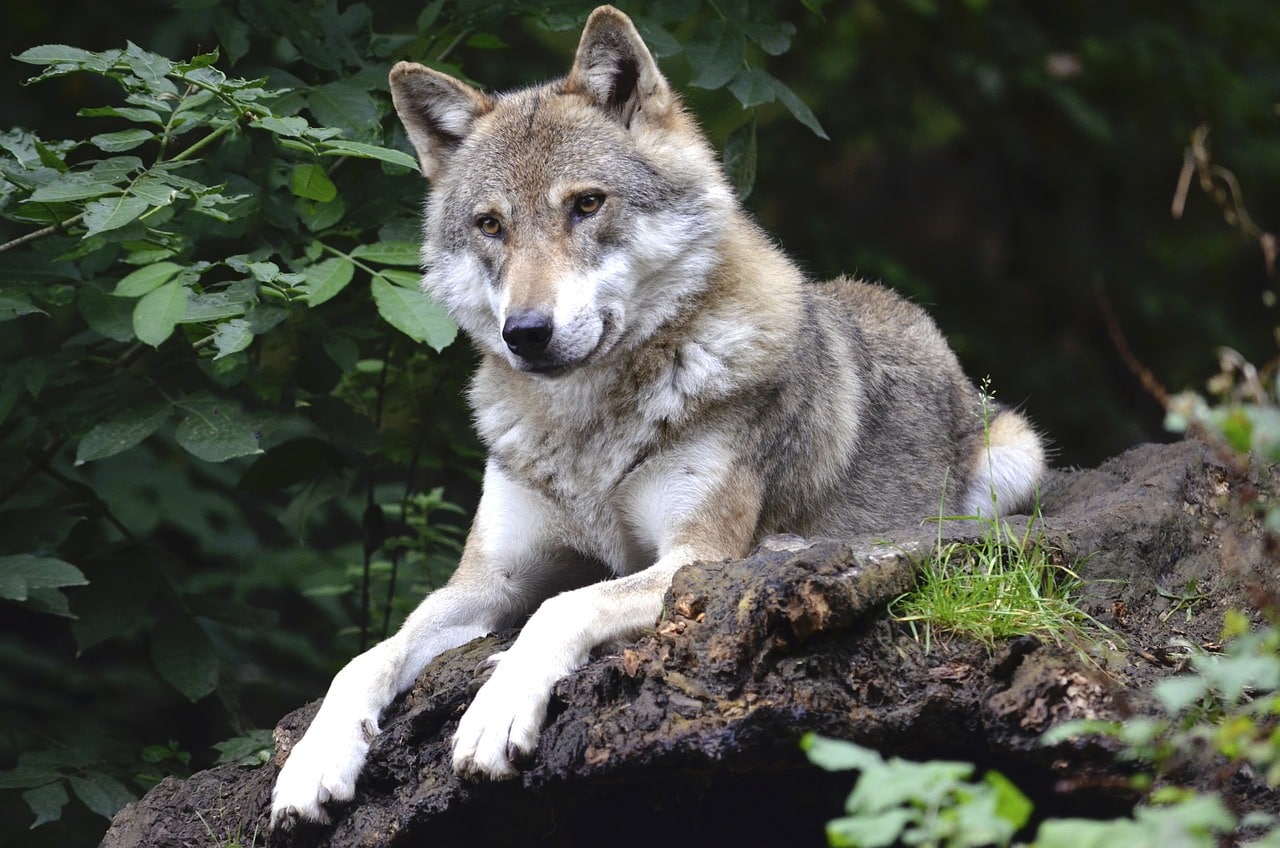
The wolf-dog hybrid, a mix between a domestic dog and a wolf, has an appealing wild beauty but is often restricted due to behavioral challenges. While wolf-dogs may look like dogs, they retain many of their wolf instincts, making them unpredictable and potentially aggressive. Their high prey drive, need for mental stimulation, and wild instincts make them difficult to train and control. Many states ban these hybrids because they are neither fully domesticated nor entirely wild, creating a grey area that poses risks to owners and local wildlife.
Burmese Pythons
 Shutterstock
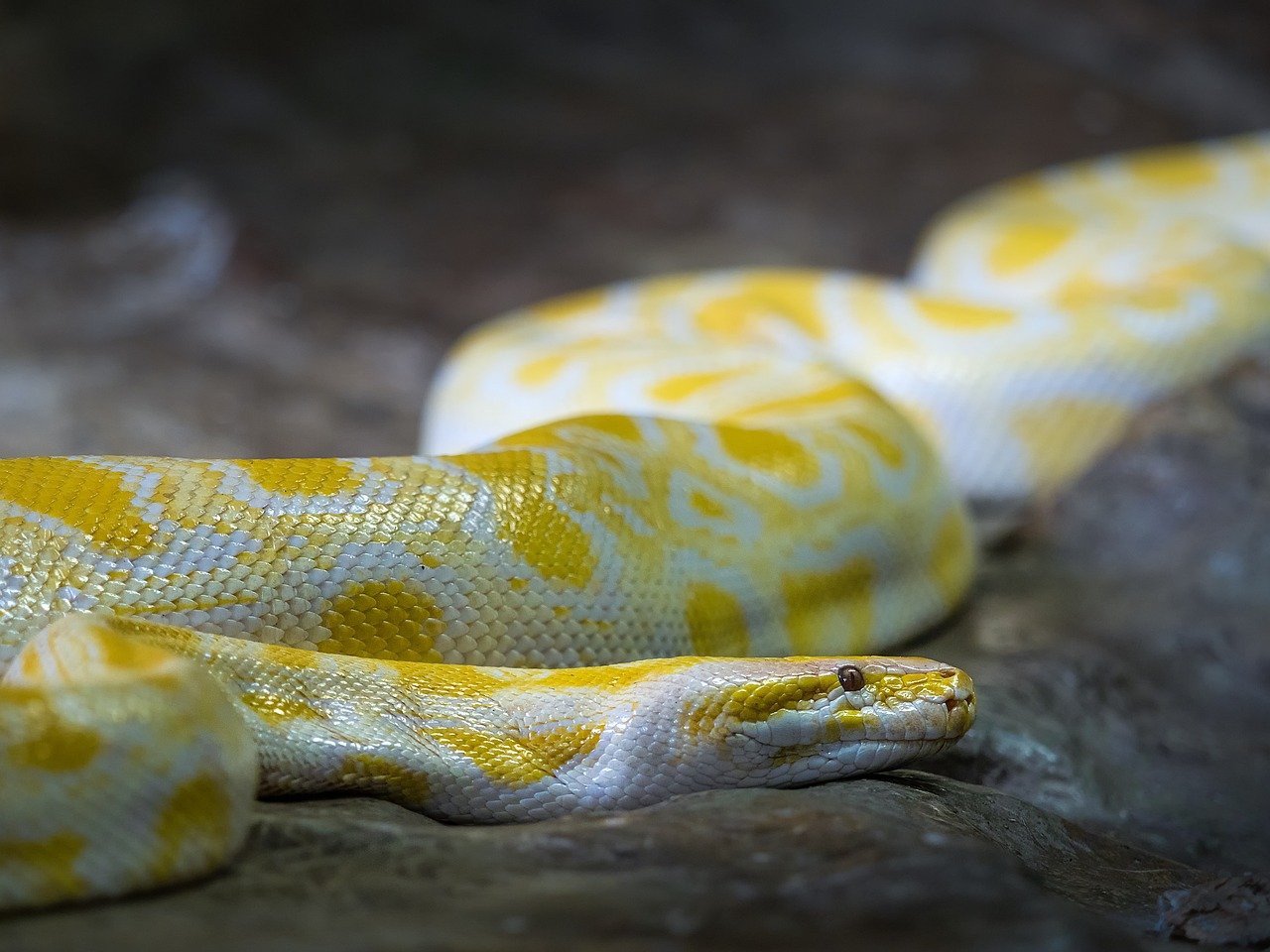
Burmese pythons are massive snakes that can grow over 20 feet long and weigh over 200 pounds, posing a significant risk to both people and the environment. Native to Southeast Asia, Burmese pythons have become invasive in places like Florida, disrupting local ecosystems. Due to their size and strength, they require substantial space and specialized care, and they are often banned in various states. Even experienced reptile owners find these pythons challenging to manage, making them a dangerous choice for the average pet enthusiast.
Primates (Monkeys, Chimpanzees)
 Shutterstock
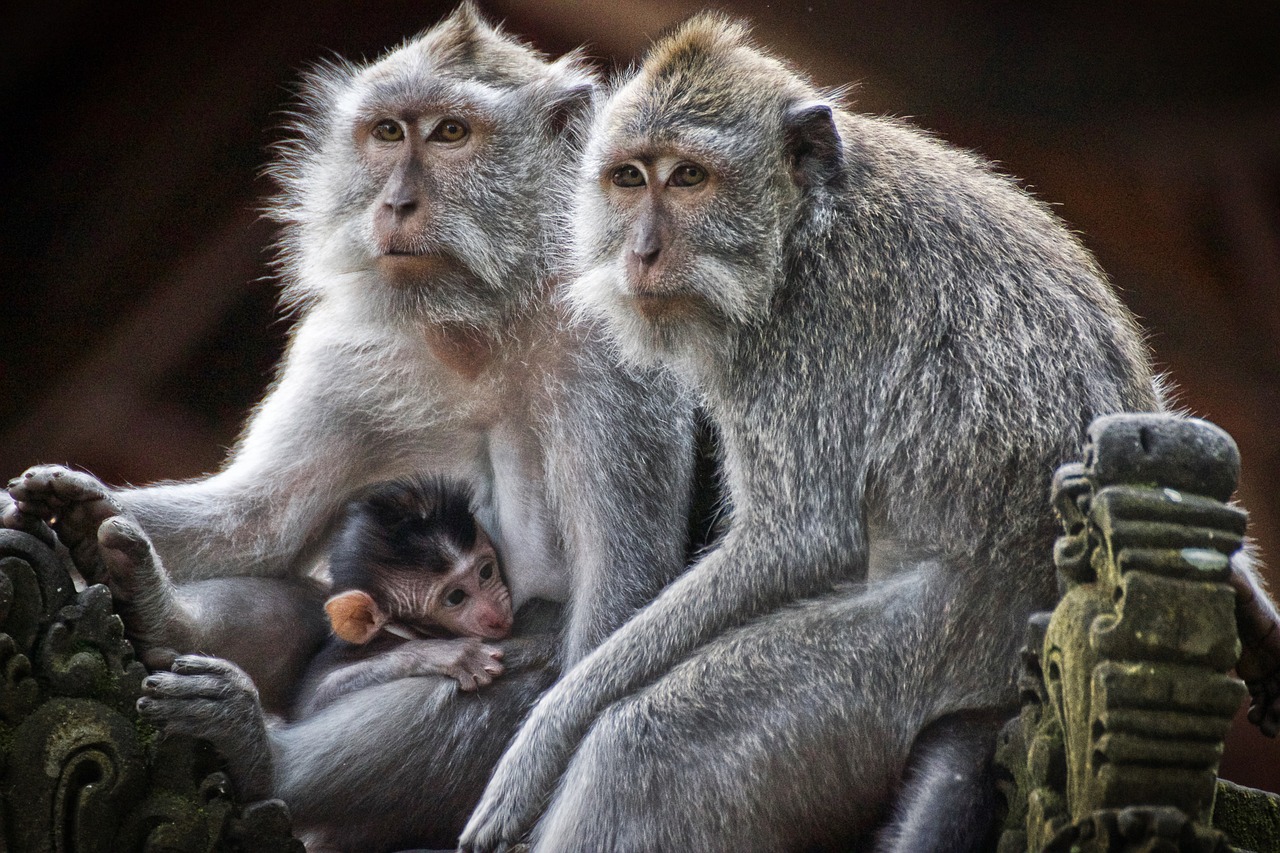
Primates, including monkeys and chimpanzees, are intelligent animals that can develop deep connections with humans, but they are not suited for domestic life. Chimpanzees, in particular, are incredibly strong and can display aggressive behaviors as they reach maturity. Primates are also social animals that need constant interaction, which can lead to behavioral issues if not met. Their need for complex mental stimulation and potential health risks to humans has led most states to ban their ownership. Despite their human-like qualities, primates are better suited for wildlife reserves than homes.
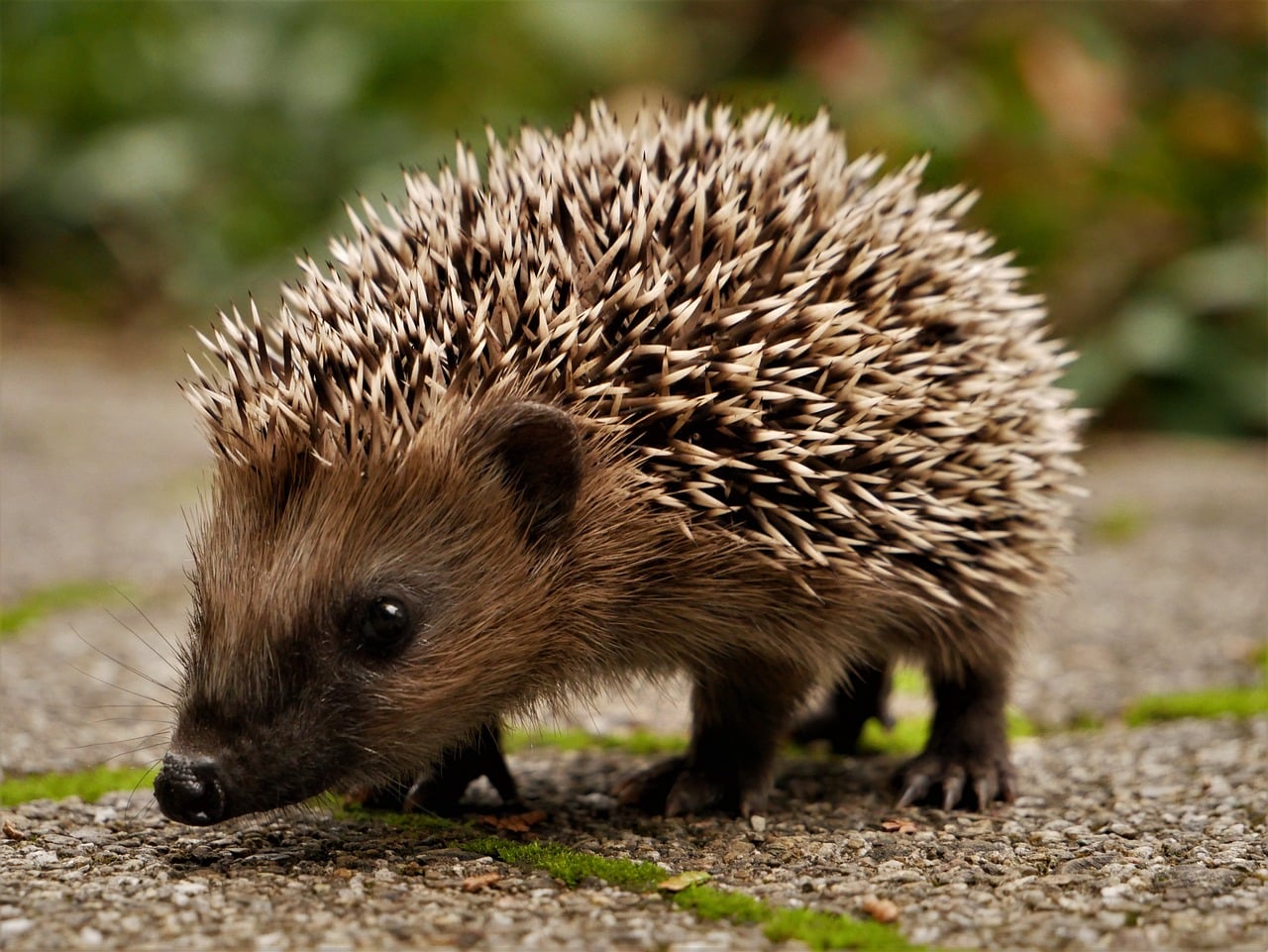
Hedgehogs
 Shutterstock
Hedgehogs may be small and cute, but they’re illegal in some states, including California and Georgia, due to concerns about ecological impact and the potential spread of diseases like salmonella. Hedgehogs are non-native species, and if released or escaped, they could disrupt local wildlife. They’re also solitary creatures with specific care needs, including a proper diet and temperature-controlled environment. While hedgehogs are legal in many places, some states have decided that their risks outweigh their appeal as pets.
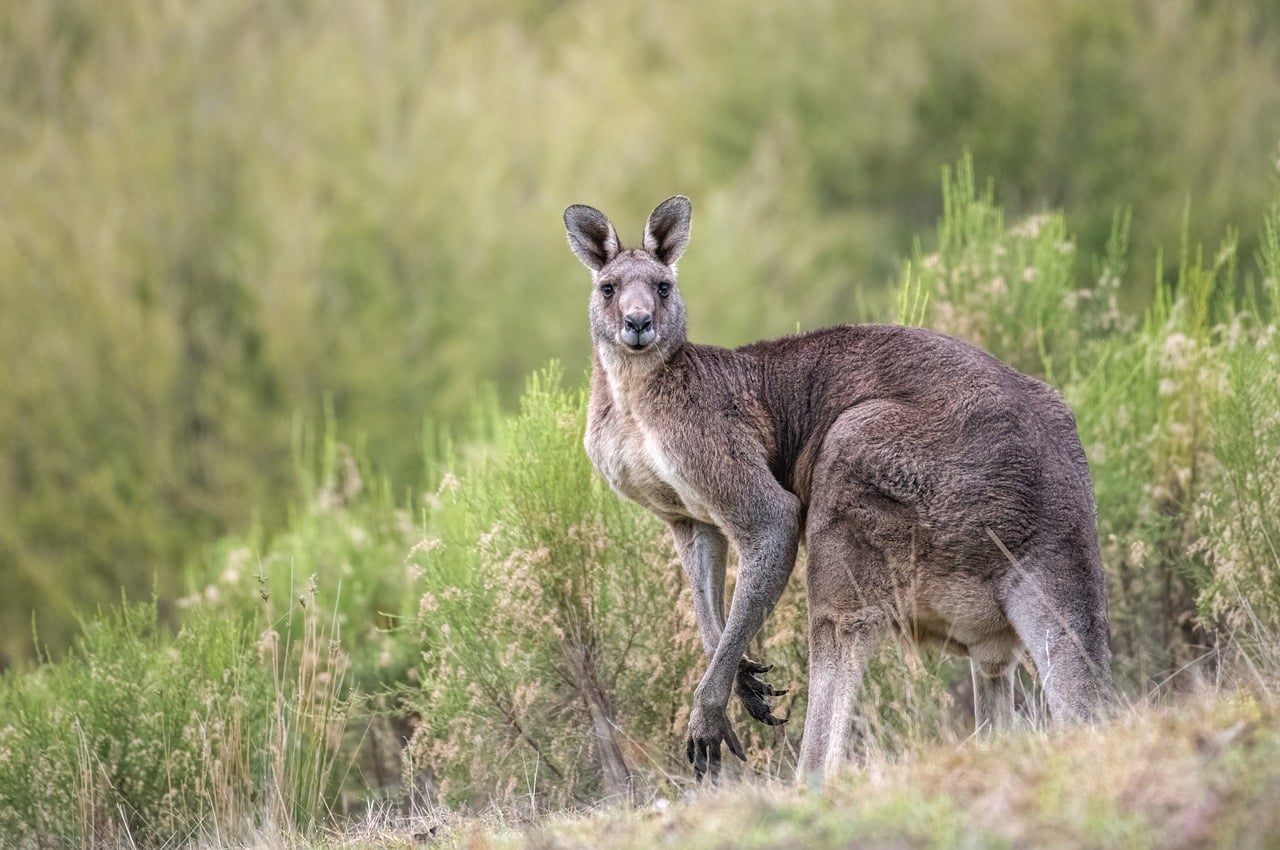
Kangaroos
 Shutterstock
Owning a kangaroo sounds exotic, but these animals require large open spaces and are known for their strong hind legs and impressive jumping abilities. They are native to Australia and need a diet and environment that can be challenging to recreate outside their natural habitat. Kangaroos can become aggressive and are known to kick, making them risky to handle. Most states prohibit keeping kangaroos as pets due to their specific care needs and potential for harm, allowing them only in licensed facilities or sanctuaries that can meet their needs.
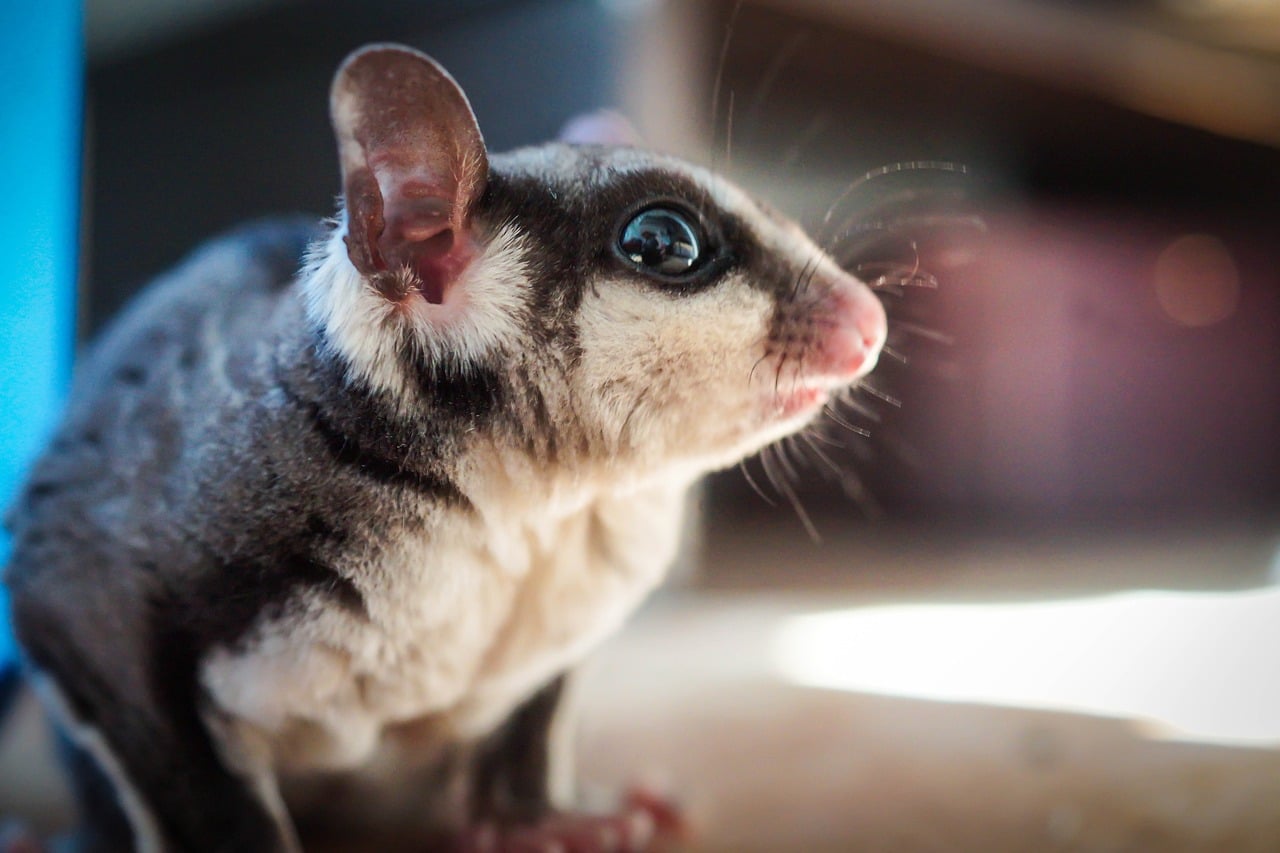
Sugar Gliders
 Shutterstock
Sugar gliders are tiny, nocturnal marsupials that can form strong bonds with their owners but require extensive care and attention. While they’re legal in some states, others restrict ownership because they are non-native and have specific environmental needs. These small animals are active at night, require a special diet, and need plenty of mental stimulation. Without proper care, they can develop health issues or behavioral problems. Because of their specialized needs and the challenges of providing adequate care, many states have banned sugar gliders as pets.
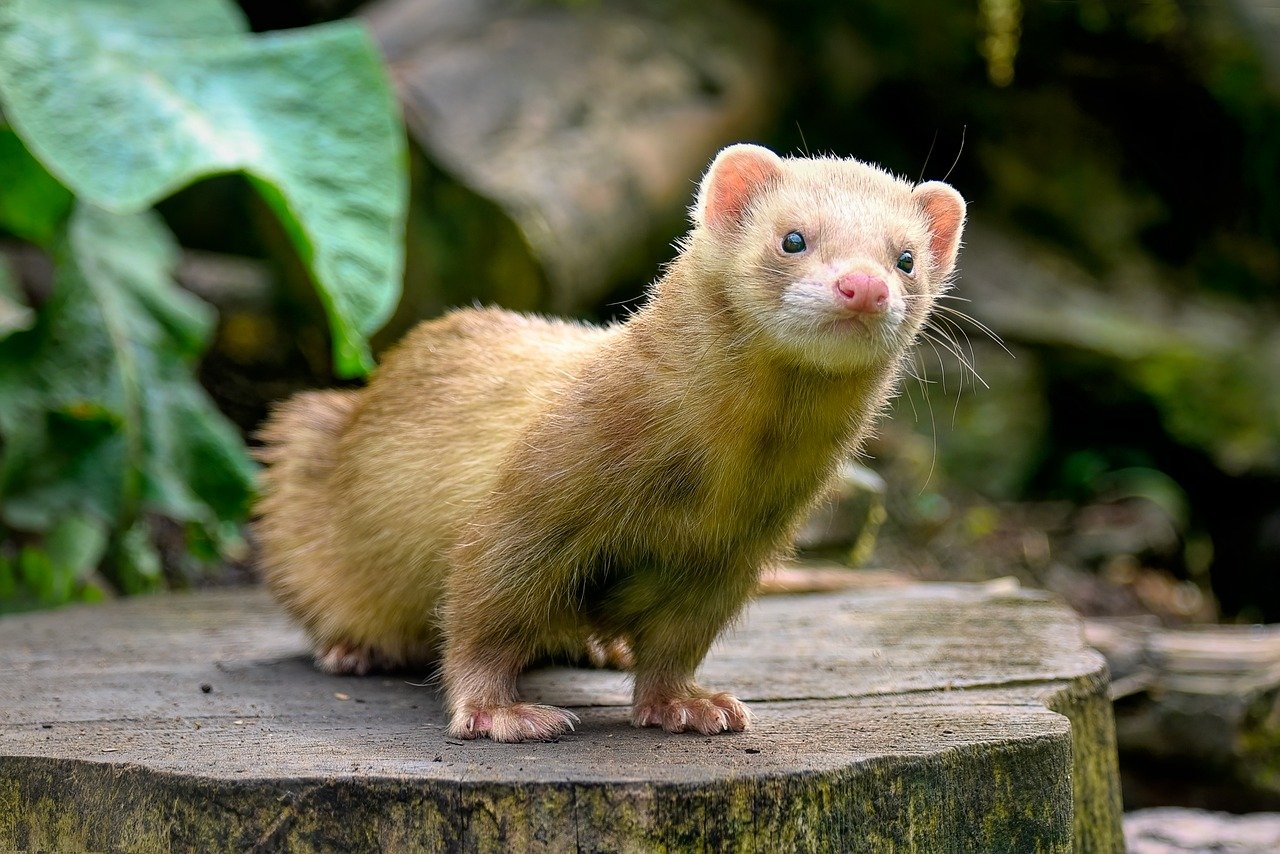
Ferrets
 Shutterstock
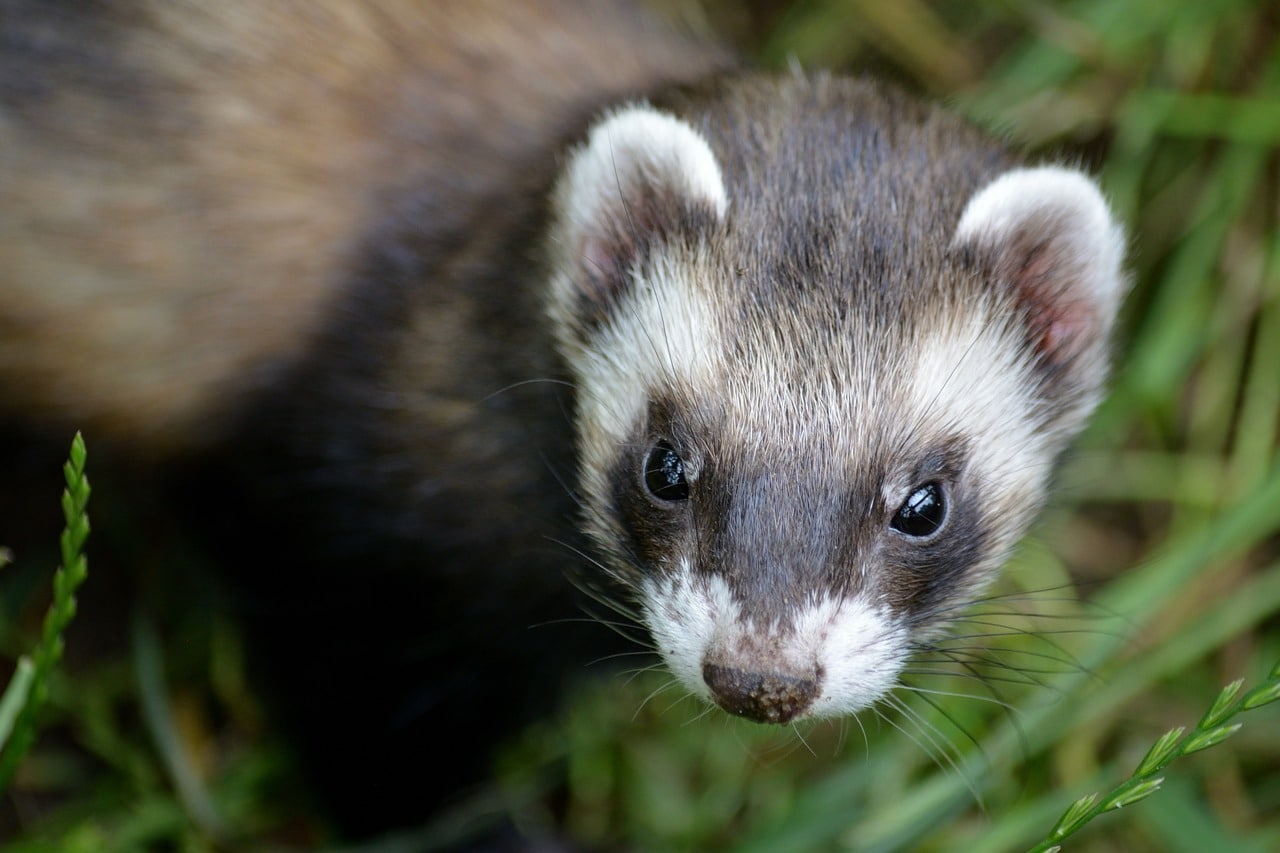
Ferrets are popular in many areas but remain illegal in states like California and Hawaii. As small, curious, and mischievous animals, ferrets can escape easily and have a high prey drive, which could impact local wildlife if they manage to get loose. They require supervision and are prone to certain health issues, making them a challenge to care for properly. Additionally, their ability to breed quickly and adapt to various environments has led some states to restrict ferrets to prevent possible ecological disruption.
Red-Eared Slider Turtles
 Shutterstock
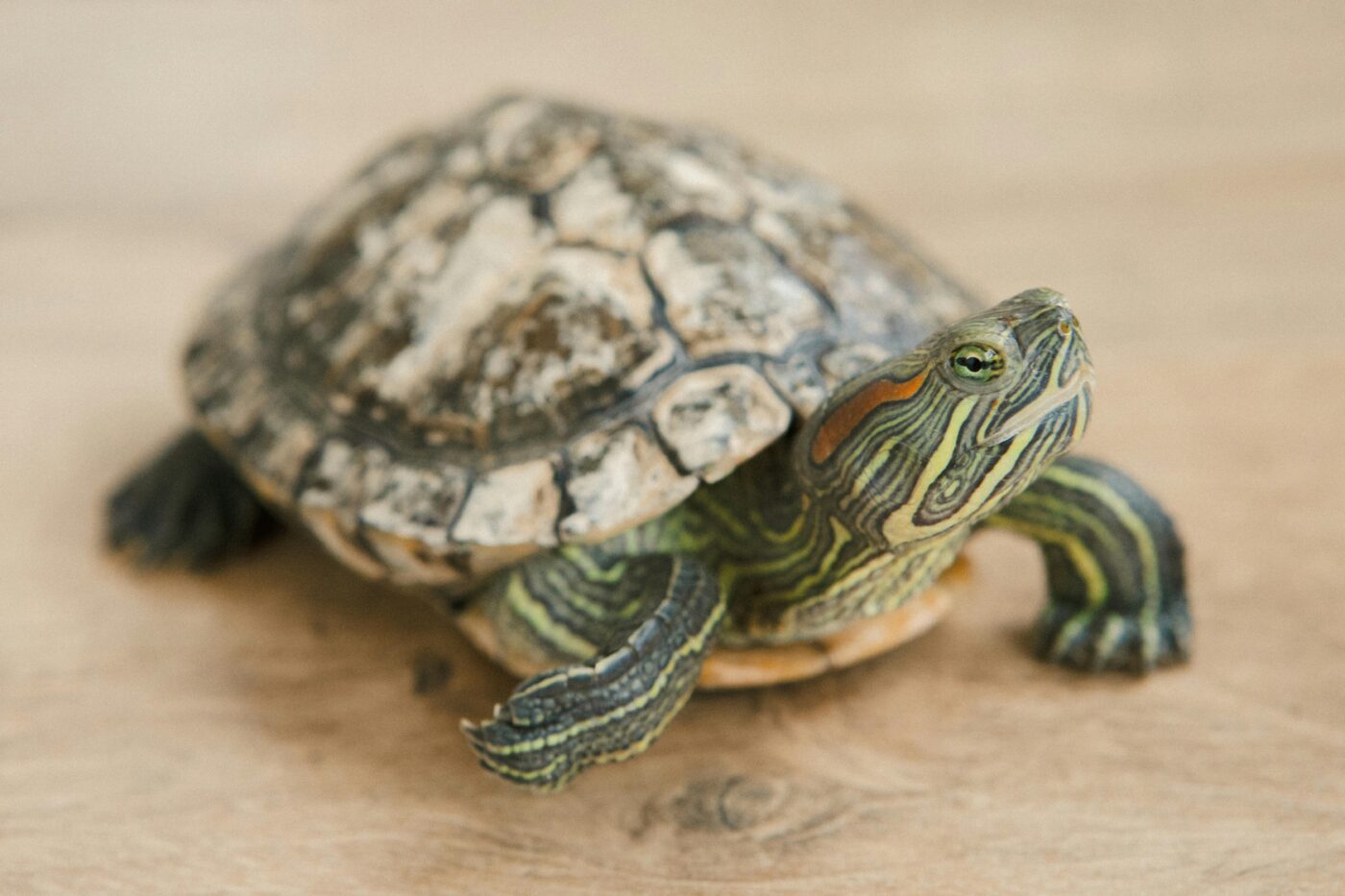
Red-eared sliders are among the most commonly owned pet turtles, but they’re banned in certain states due to their impact on local ecosystems. These turtles have become invasive in parts of the U.S., often outcompeting native species for resources. Additionally, red-eared sliders can carry salmonella, posing a human health risk. They require specific habitats and diets, and releasing them into the wild can harm local wildlife. Due to these ecological and health concerns, many states restrict ownership of red-eared sliders to protect native species and public safety.
African Clawed Frogs
 Shutterstock
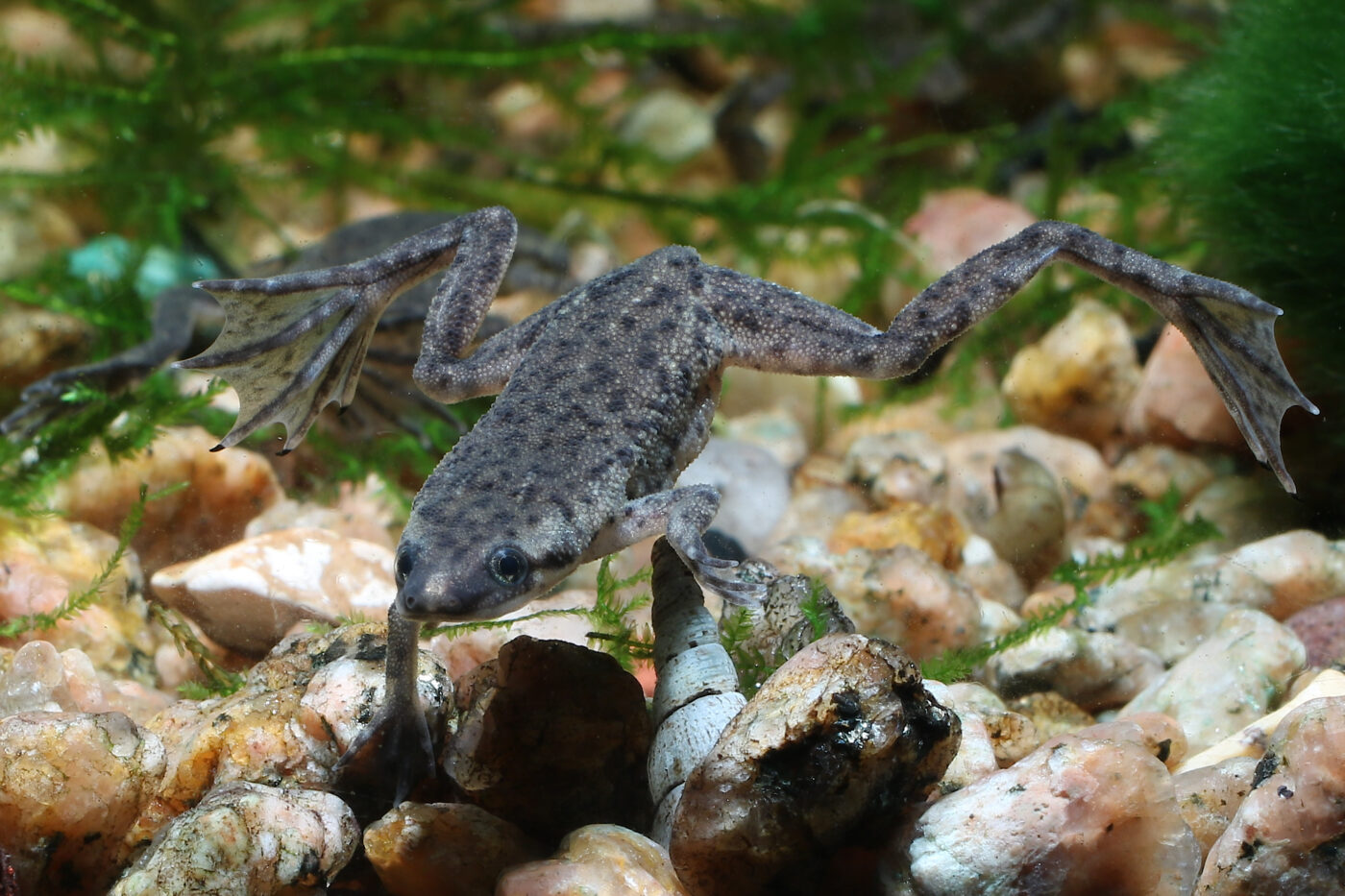
African clawed frogs are unique amphibians that can survive in various environments, but their hardy nature makes them a problem in non-native ecosystems. When released into the wild, they pose a significant risk to local amphibian populations by outcompeting them for food and introducing diseases. African clawed frogs are illegal in certain states due to their invasive tendencies and potential harm to native species. While they might seem like interesting pets, their environmental impact has led to widespread restrictions on owning them.
Piranhas
 Shutterstock
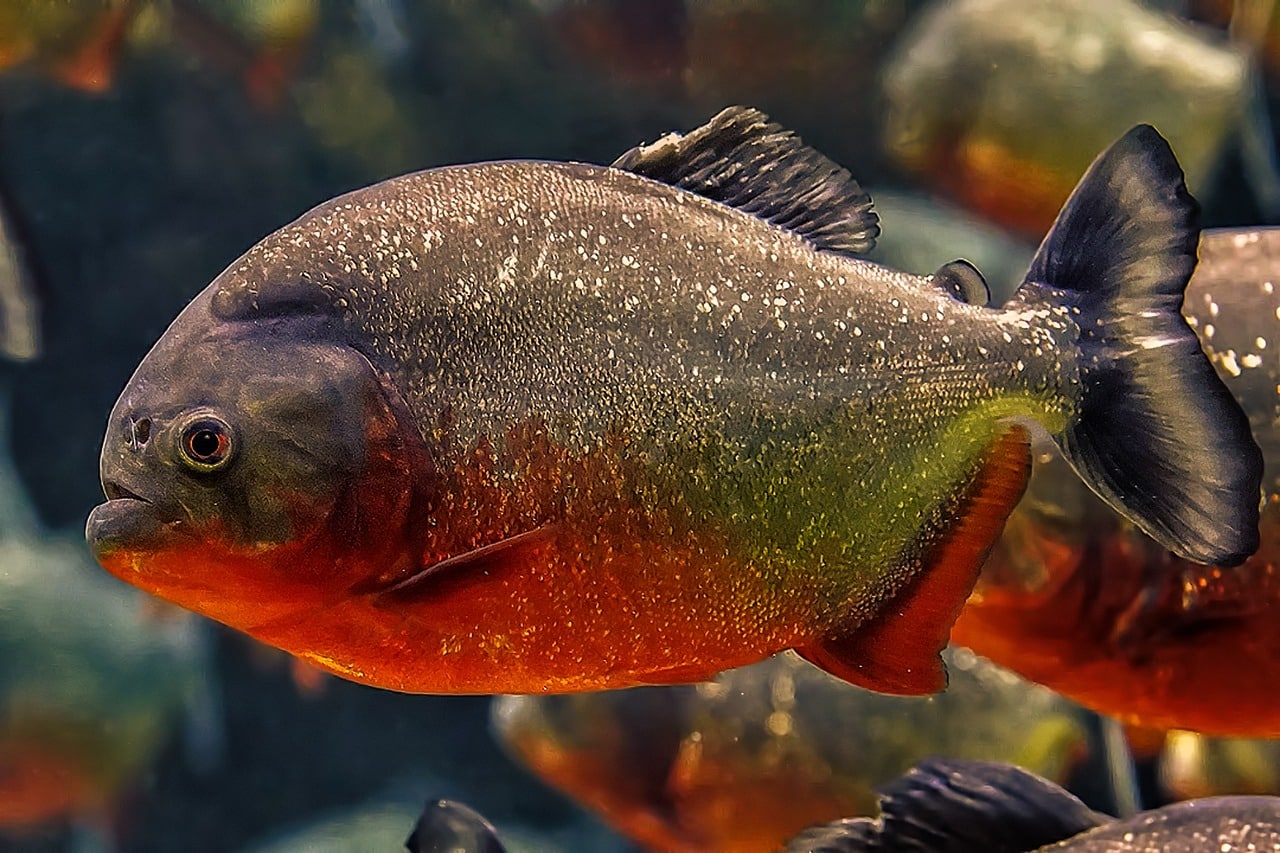
Piranhas, with their sharp teeth and reputation as aggressive fish, are banned in several states. While they can be fascinating to watch, piranhas are risky because of their strong jaws and potential to harm other fish or even small animals. If released into local water systems, they can disrupt ecosystems by preying on native species. The combination of their potential danger and ecological impact makes them illegal in most states, as authorities aim to protect people and local aquatic life from this aggressive fish.
Scorpions (Certain Species)
 Shutterstock
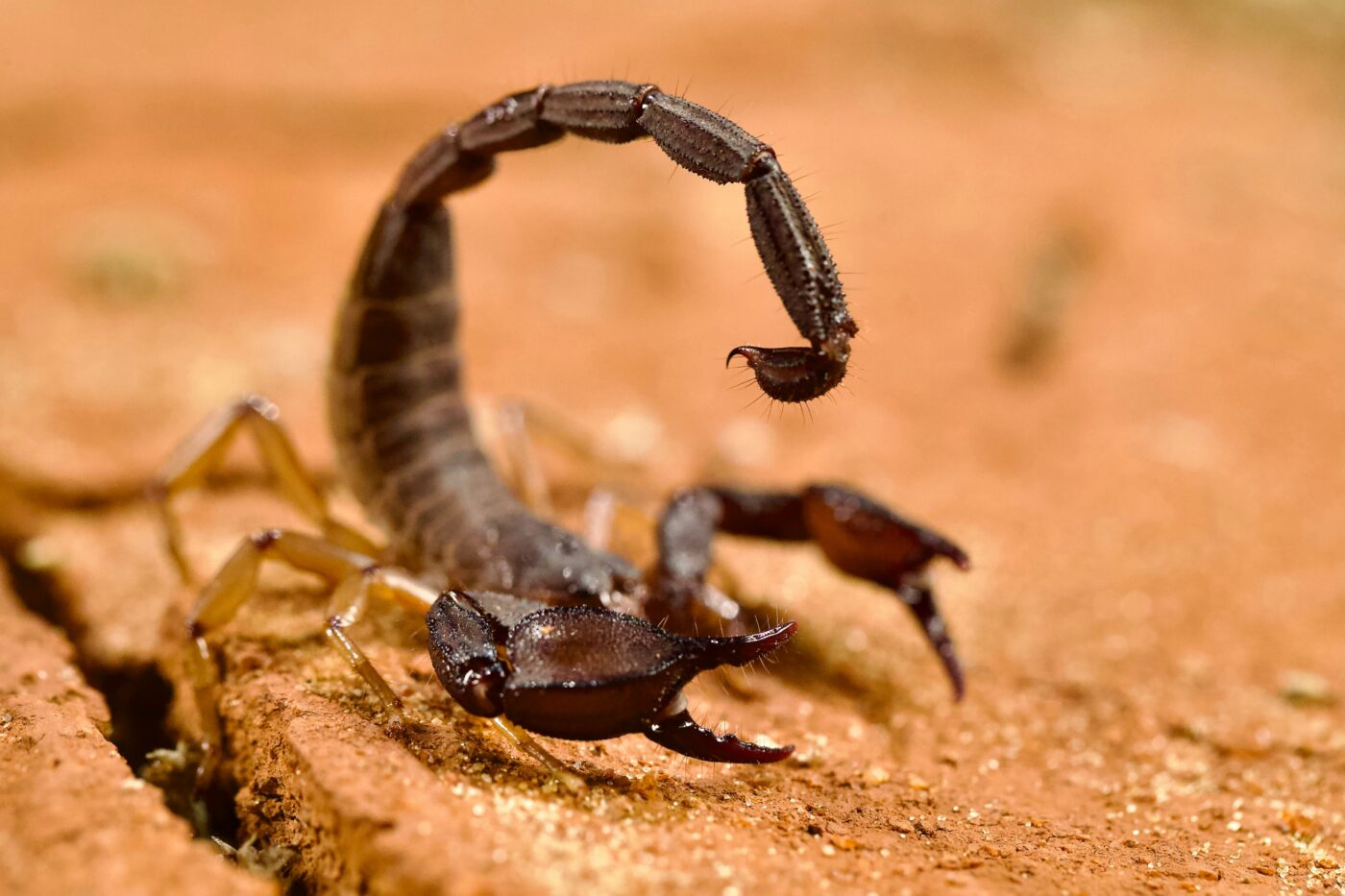
While not all scorpions are restricted, specific venomous species, such as the bark scorpion, are illegal to own in certain states. These scorpions have painful and potentially dangerous stings that can cause serious health issues in humans, especially those with allergies or compromised immune systems. Keeping venomous scorpions requires specialized enclosures to prevent accidental stings or escape. Due to their potential danger and the challenges of ensuring safe handling, many states have banned venomous scorpions to minimize risks for pet owners and the general public.
Cheetahs
 Shutterstock
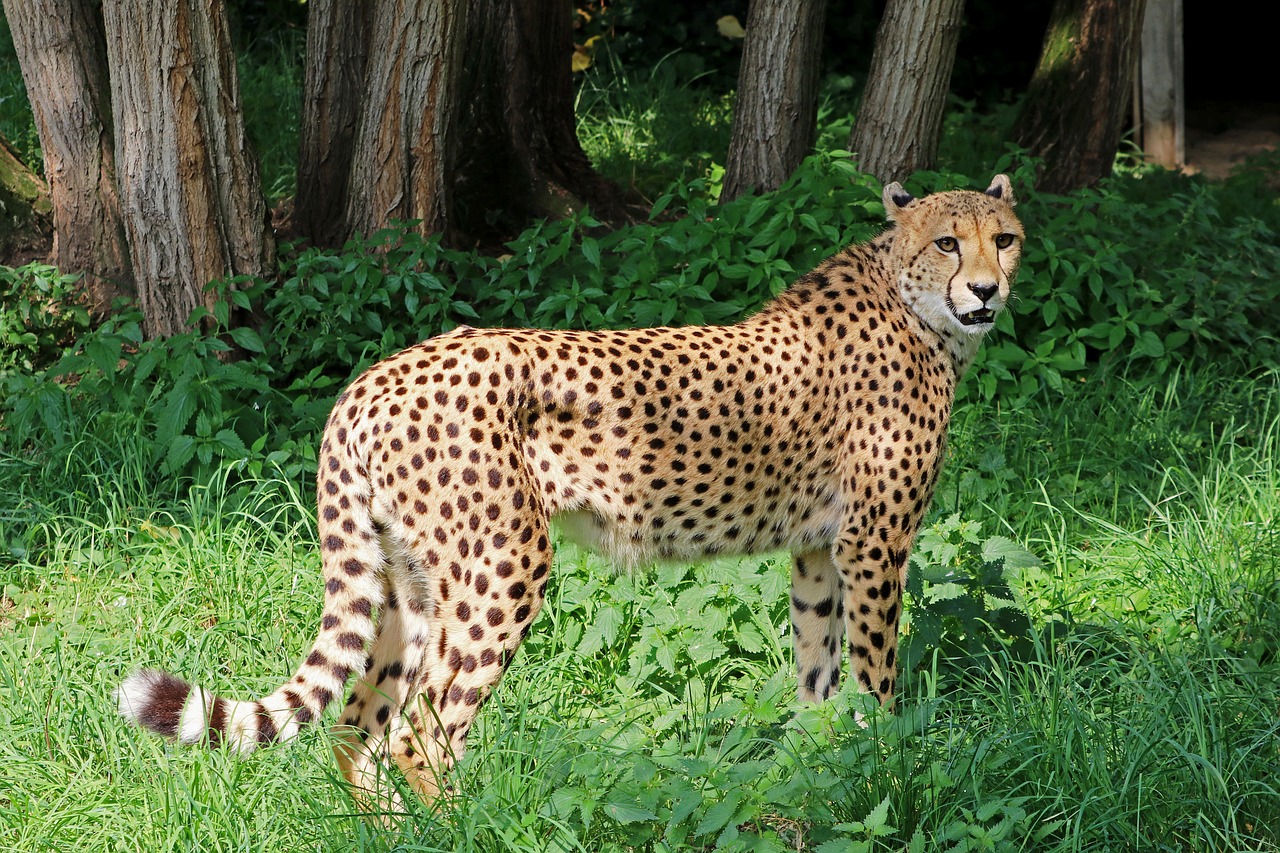
Cheetahs are the fastest animals on land and captivating creatures, but their strength, speed, and natural hunting instincts make them illegal to own as pets. Cheetahs require vast spaces to roam and an environment that closely mimics their natural habitat. They’re also prone to stress in confined spaces and can become aggressive if they feel threatened. The risk they pose to both people and native wildlife, coupled with their complex needs, has led to strict bans on cheetah ownership in the U.S., restricting them to licensed facilities or wildlife sanctuaries.
When Wild Isn’t Wonderful
 Shutterstock
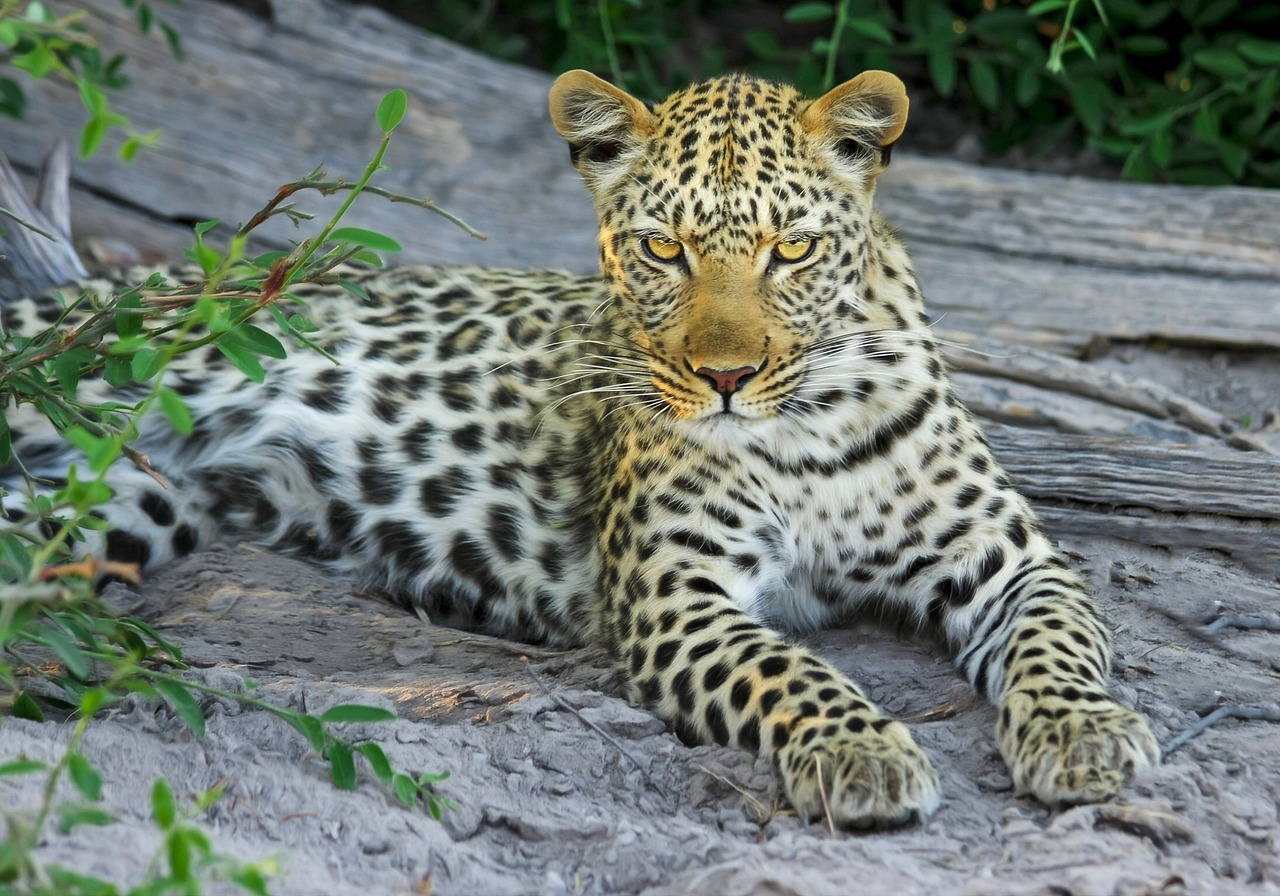
While exotic pets seem thrilling, many animals have risks and challenges that make them unsuitable for private ownership. Whether it’s big cats, venomous reptiles, or tiny marsupials, these animals have unique needs that are often difficult to meet in a household setting. Their care, space requirements, and potential dangers make them better suited for wildlife sanctuaries or specialized facilities. By appreciating their beauty from afar or supporting conservation efforts, we can enjoy these amazing creatures while ensuring their well-being and safety, as well as our own.
On our website, you will find many helpful articles and videos about dog care, training, real-life stories, and inspiration for every dog lover. Explore more content and discover interesting insights from the world of dogs.