
 Shutterstock
Some animals are built for speed, reaching velocities that leave any human far behind. From fierce land predators to nimble birds, these creatures depend on swift movement to hunt or evade threats. While many would easily outrun us, a few surprisingly fall within reach, giving even an average sprinter a fair chance of keeping up. Studying these impressive speeds reveals just how finely tuned animals are to their environments, whether they’re built for intense sprints or simply quick enough to stay safe.
Cheetah
 Shutterstock
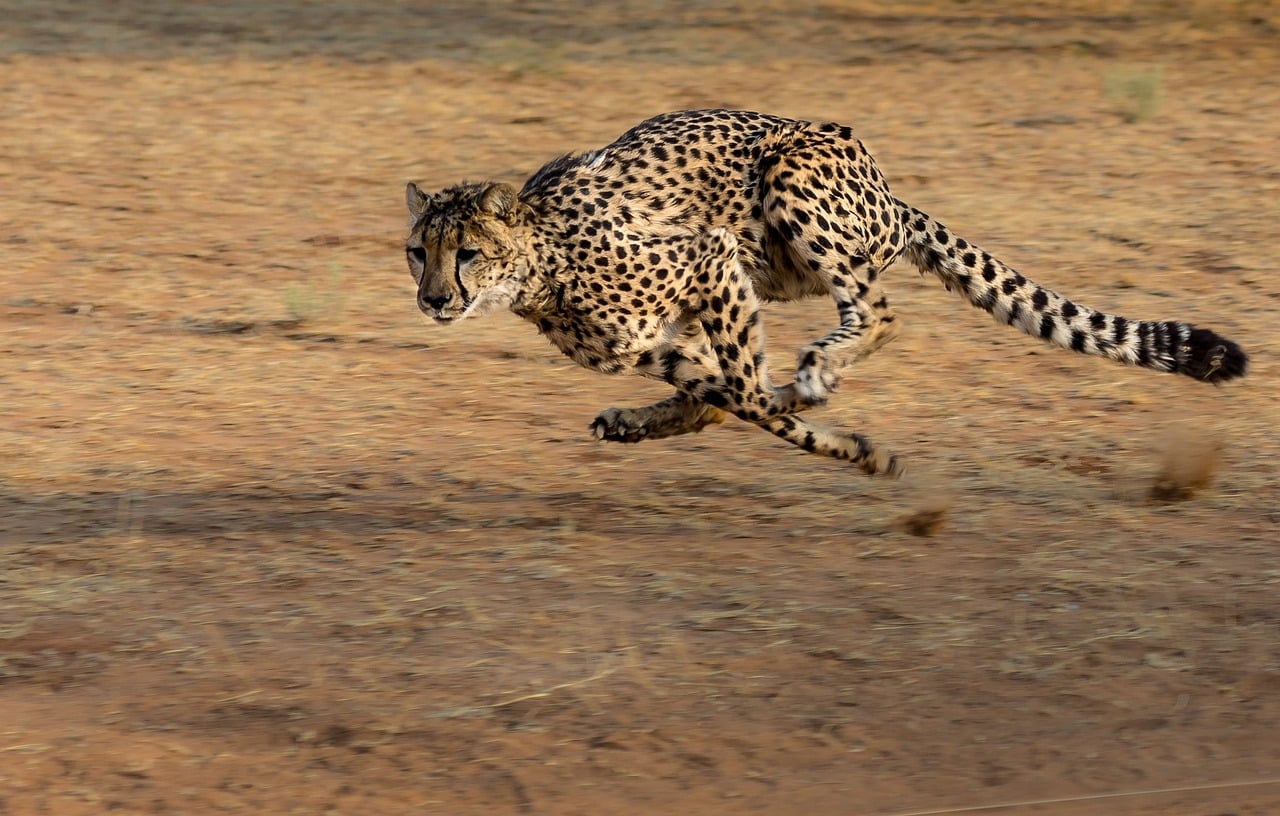
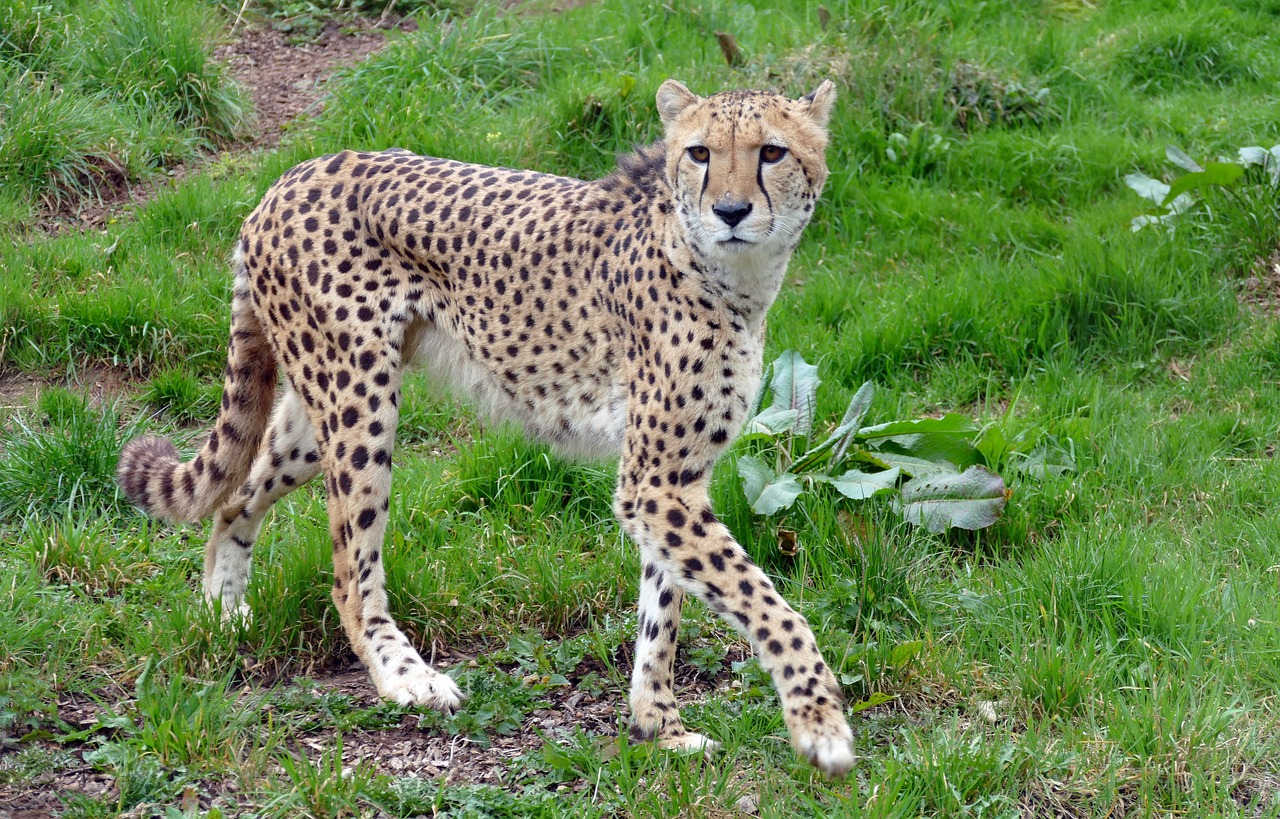
The cheetah holds the record for the fastest land animal, reaching speeds up to 70 miles per hour in short bursts. Built for sprinting, cheetahs use their long legs, powerful spine, and flexible body to achieve high speeds quickly. This speed, however, is limited to short chases; cheetahs can only maintain it for about 20-30 seconds before tiring out. Cheetahs’ claws are semi-retractable, allowing better grip while sprinting, and their streamlined bodies minimize air resistance. Outrunning a cheetah would be impossible, as their incredible speed and agility far exceed any human’s capabilities.
Peregrine Falcon
 Shutterstock
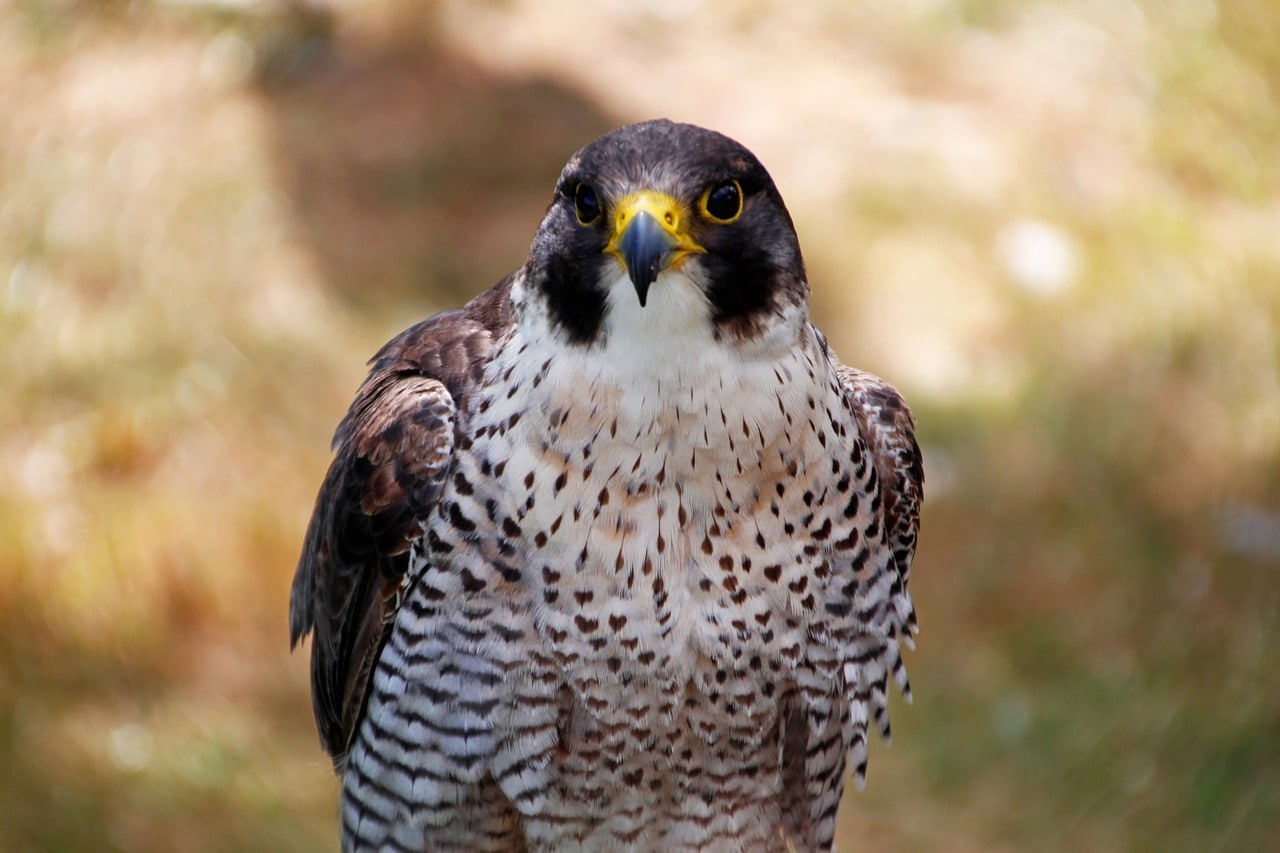
The peregrine falcon is the undisputed champion of speed in the animal kingdom, capable of diving at speeds of up to 240 miles per hour. During a hunt, this falcon’s body becomes a streamlined missile, plummeting down to strike prey with precision. Peregrine falcons’ hollow bones and muscular wings help them reach these incredible speeds, while their keen eyesight aids in tracking prey from above. Even the fastest human would be left in the dust (or the clouds!) against this avian speedster. Racing against a peregrine falcon would be over before it even began.
Pronghorn Antelope
 Shutterstock
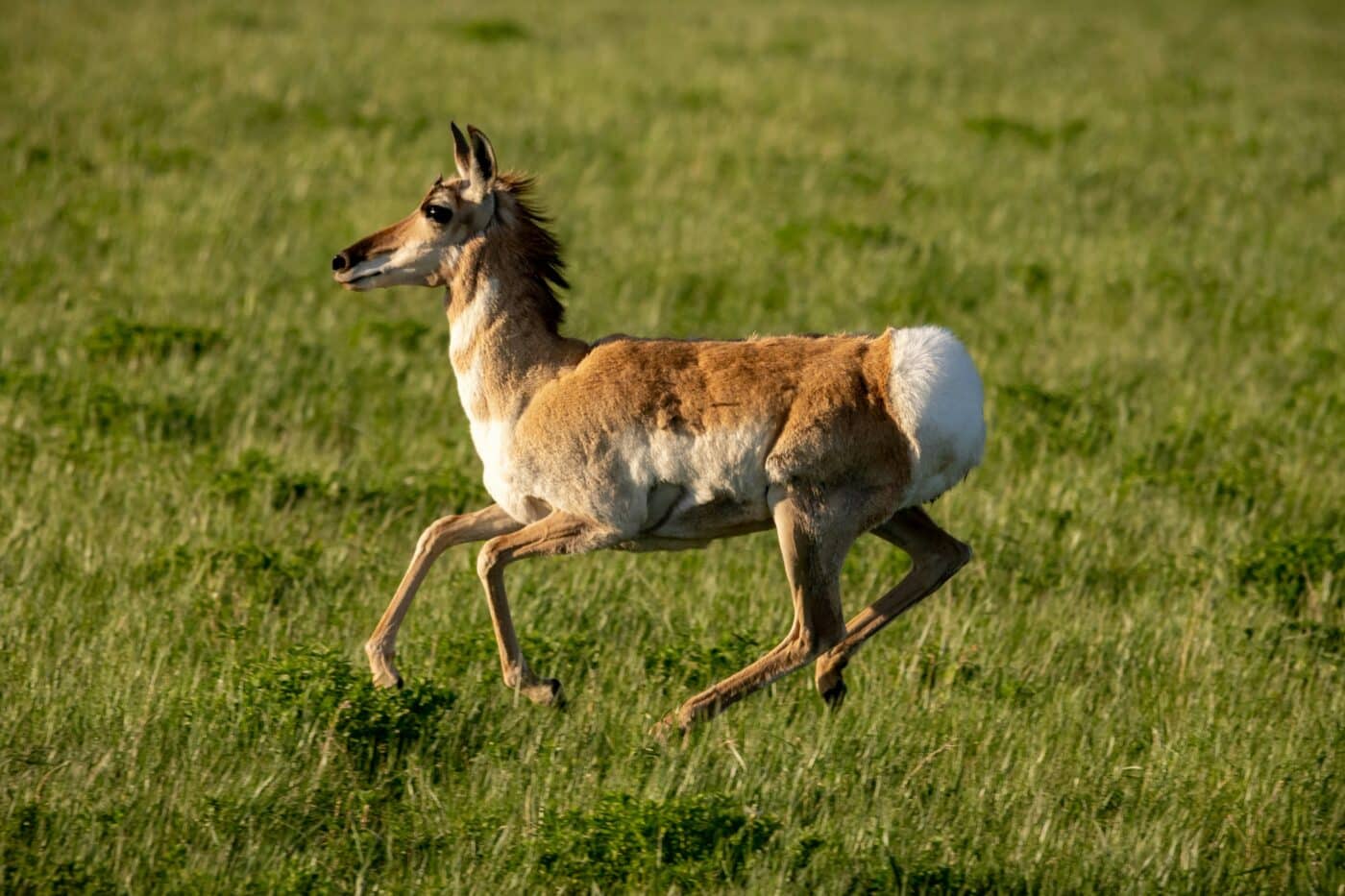
Pronghorn antelope are known for their incredible speed and endurance, clocking in at up to 55 miles per hour. Found in North America, pronghorns have large lungs and powerful muscles, allowing them to sustain high speeds over long distances. Unlike cheetahs, pronghorns are not just sprinters; they’re built for endurance, meaning they can keep up their pace longer than most animals. Their natural speed and stamina make them difficult prey for predators, and there’s no way a human could even come close to keeping up with a pronghorn.
Sailfish
 Shutterstock
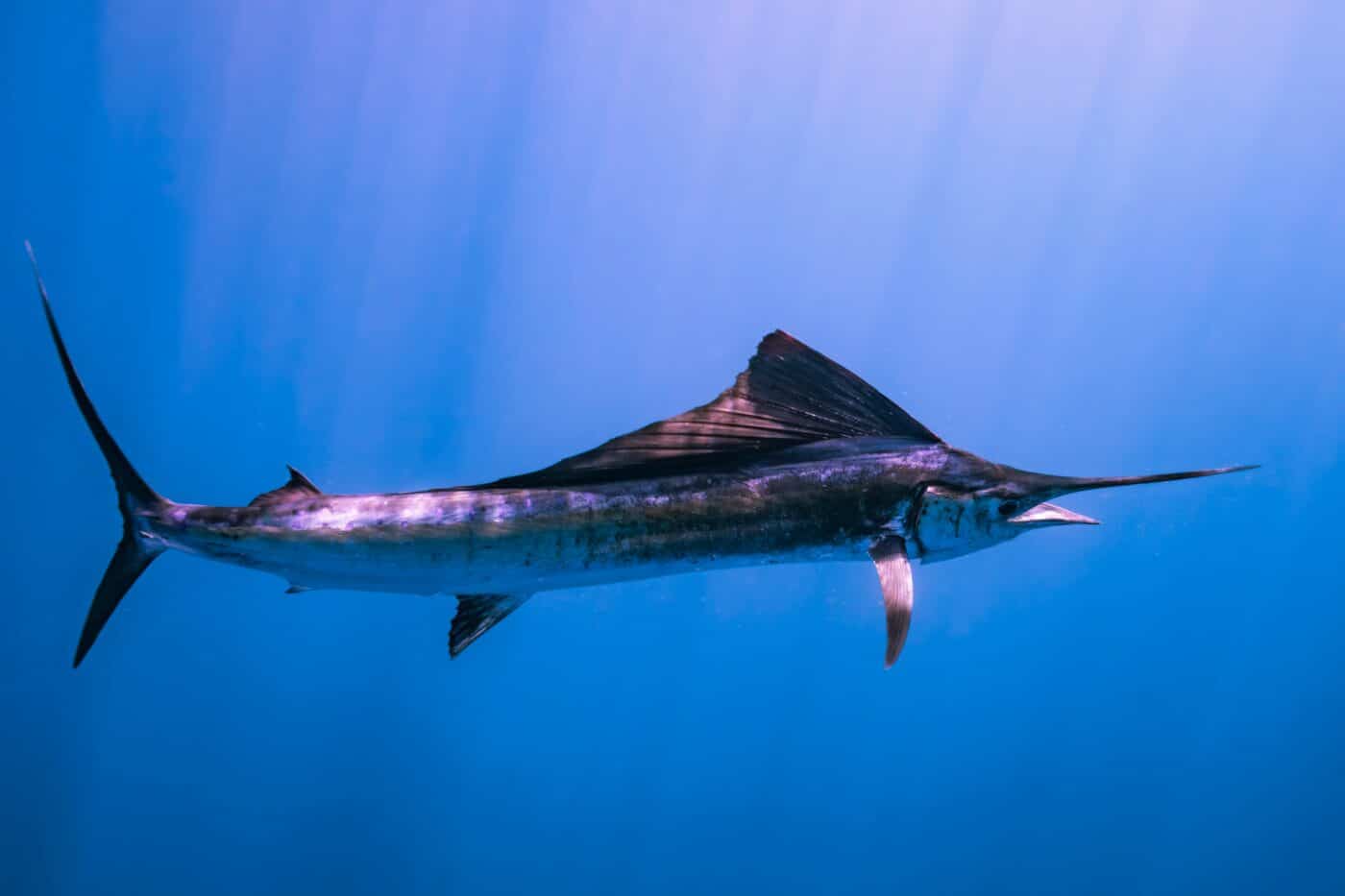
In the ocean, the sailfish holds the title for one of the fastest swimmers, capable of reaching speeds up to 68 miles per hour. Known for their long, streamlined bodies and large, sail-like dorsal fins, sailfish use their speed to hunt schools of smaller fish. Their hydrodynamic shape and powerful muscles help them glide through the water effortlessly. With the ability to make sharp turns and reach incredible speeds, the sailfish would leave any swimmer far behind. Racing a sailfish underwater would be a lost cause, as this fish is built for speed and agility.
Lion
 Shutterstock
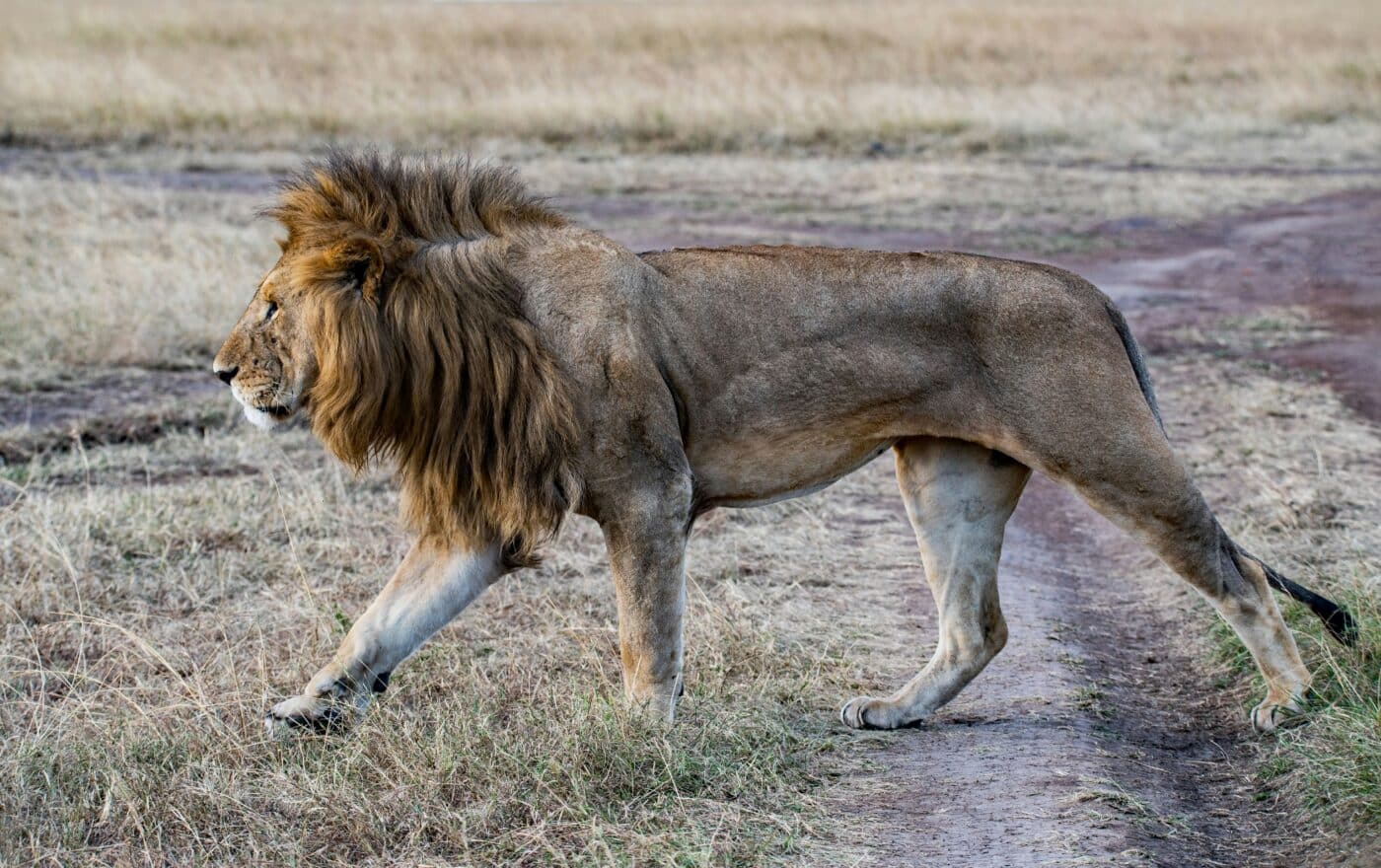
Lions, often called the “King of the Jungle,” are known for their strength and speed, reaching up to 50 miles per hour in short bursts. With powerful legs, a large chest, and a muscular build, lions are designed for short, powerful sprints to catch prey. Lions often rely on teamwork, using their speed in coordinated hunting strategies. Despite their impressive speed, lions lack endurance, so they depend on stealth and quick sprints. Any human sprinter would stand no chance against a lion in a race, as their strength and agility are unmatched.
Greyhound
 Shutterstock
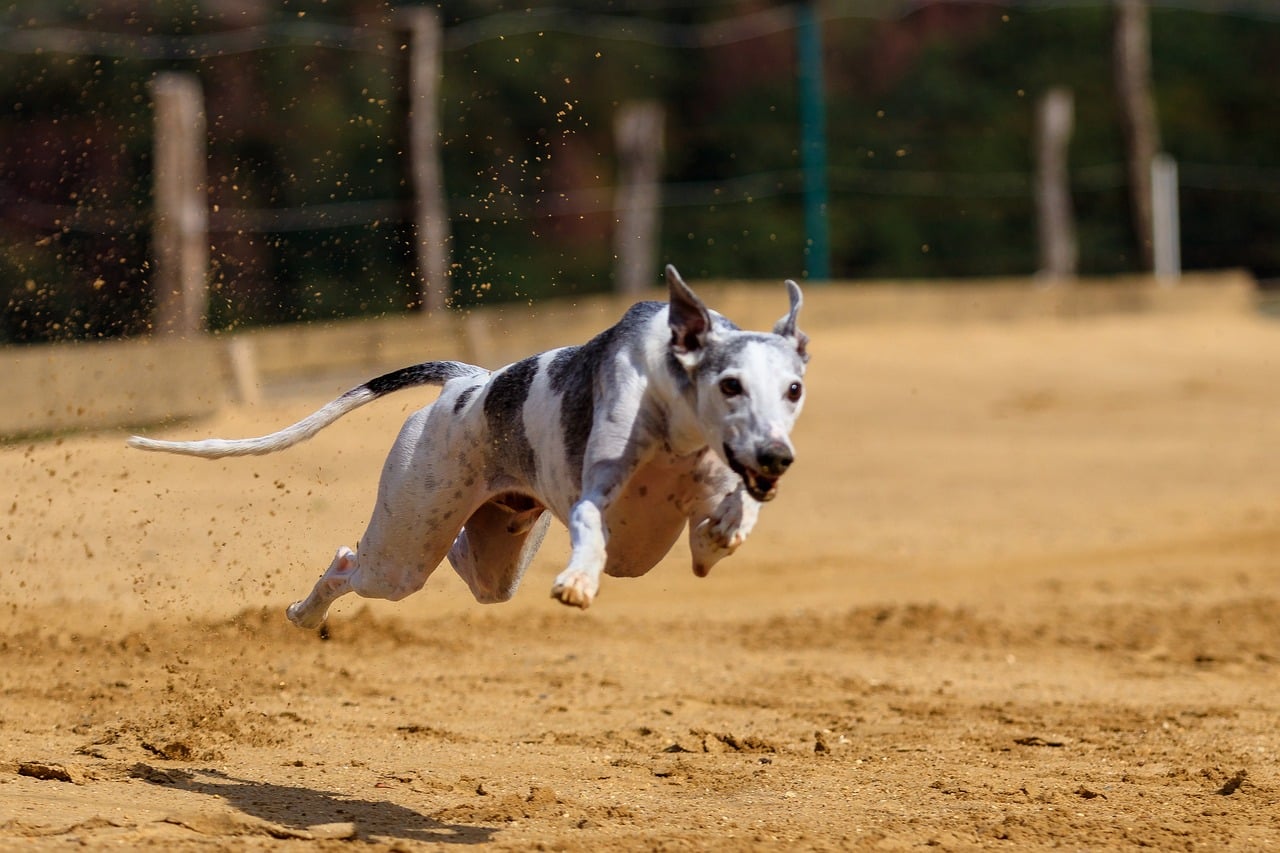
Greyhounds are the fastest dog breed, known for their sleek, aerodynamic build and ability to reach speeds up to 45 miles per hour. Often used in racing, greyhounds’ long legs, narrow heads, and flexible spines make them perfect for sprinting. Greyhounds excel at short distances, relying on bursts of speed rather than endurance. Even the fastest human would struggle to keep up with a greyhound, as these dogs are natural athletes with an incredible capacity for speed. Racing against a greyhound would end in a clear victory for the canine.
Wildebeest
 Shutterstock
Wildebeests may look bulky, but they can run at speeds of up to 50 miles per hour, making them surprisingly fast for their size. Known for their annual migration across African plains, wildebeests use their speed to evade predators like lions and cheetahs. Their strong, muscular legs and light frame allow them to maintain speed over long distances, helping them survive in predator-heavy environments. Although they lack the sleekness of some other speedy animals, wildebeests would still easily outrun any human. Their speed is essential for survival during their long, dangerous journeys.
Ostrich
 Shutterstock
The ostrich may be flightless, but it’s no slouch on land, reaching speeds up to 43 miles per hour. Known as the fastest bird on two legs, the ostrich has powerful, muscular legs and a unique two-toed foot that provides exceptional speed and stability on the ground. They use their long strides to escape predators and can maintain high speeds for considerable distances. An ostrich’s sheer speed, combined with its impressive stamina, would easily outpace any human runner, proving that flightless doesn’t mean slow.
Hare
 Shutterstock
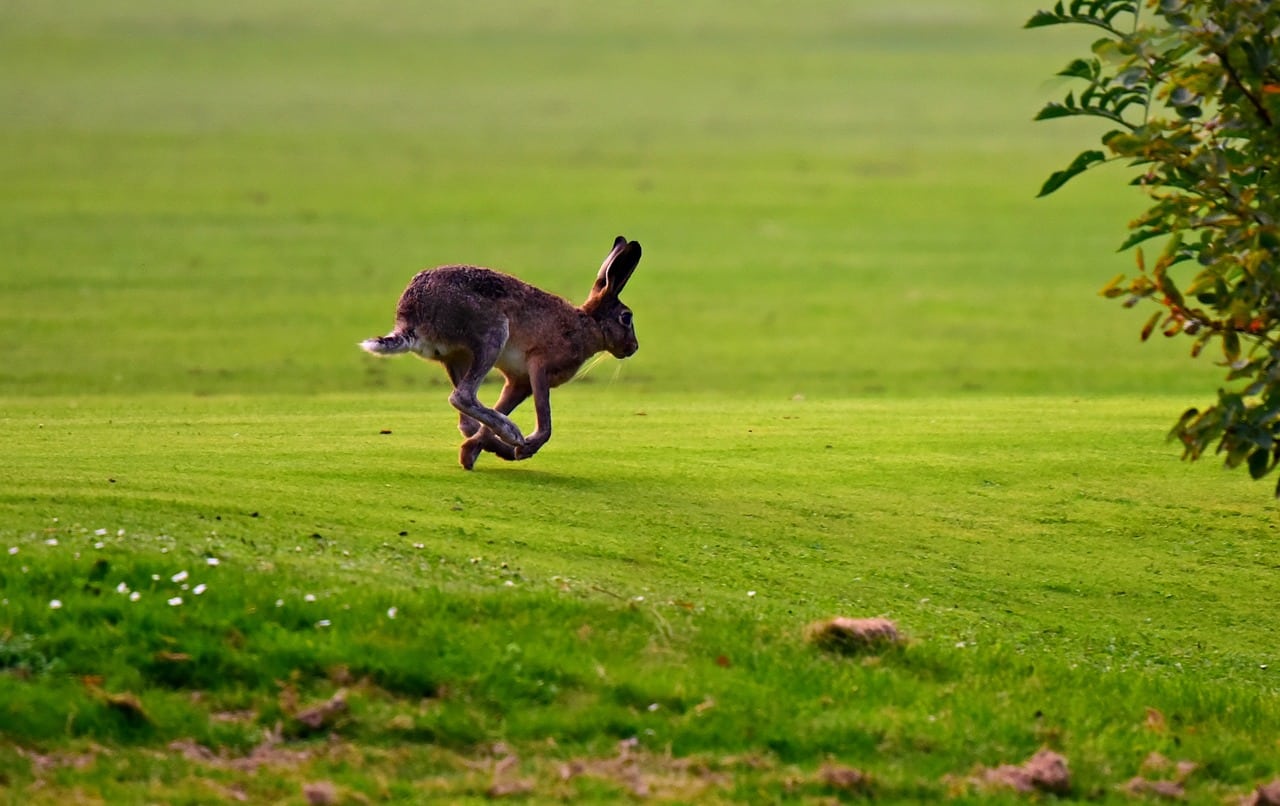
Hares are known for their remarkable speed and agility, capable of reaching 45 miles per hour. Unlike rabbits, hares have longer legs and larger lungs, making them excellent runners over moderate distances. When threatened, they use their agility to make quick turns, confusing predators. Though their endurance isn’t high, hares’ bursts of speed and quick reflexes make them difficult prey to catch. In a sprint, humans would have no chance against a hare, as their ability to accelerate and change direction keeps them well out of reach.
Elk
 Shutterstock
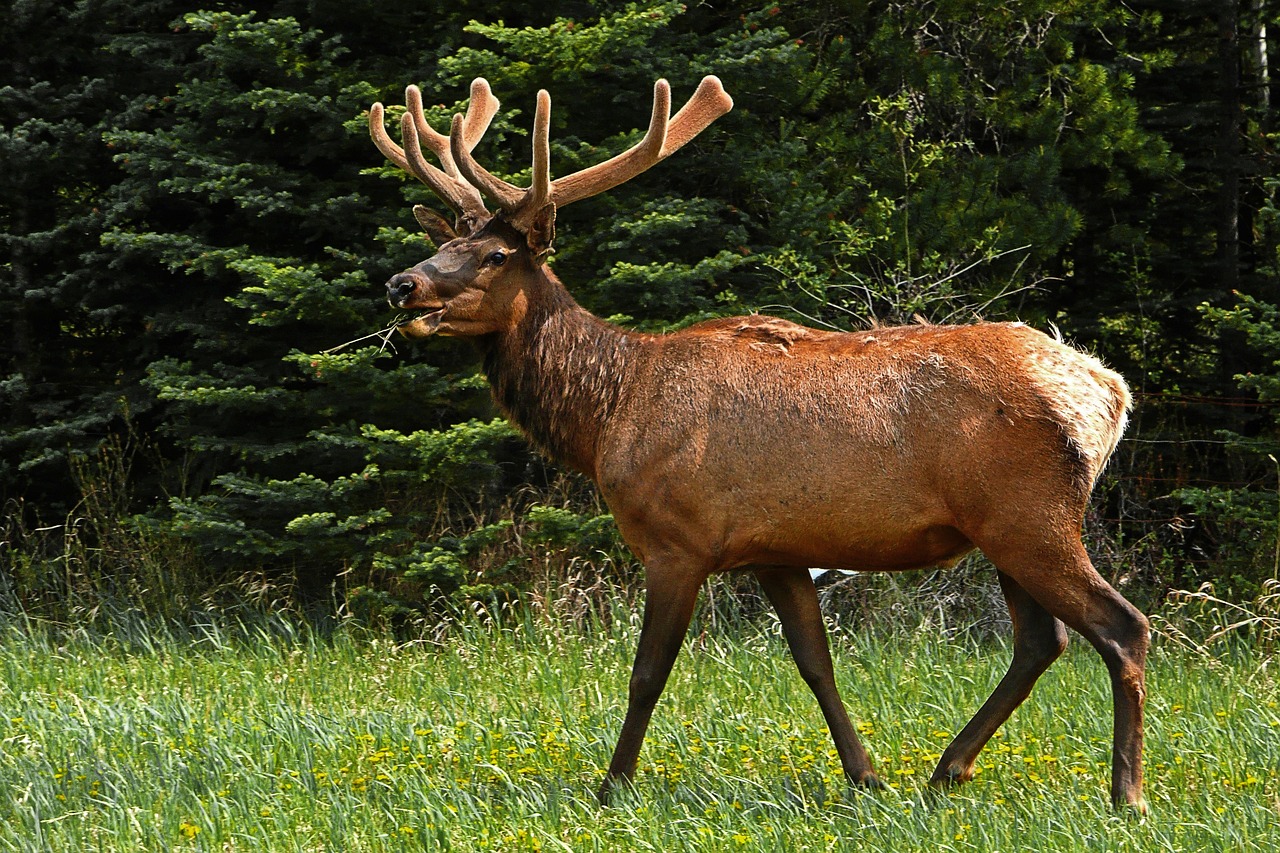
Elk are one of the faster large animals in North America, reaching speeds up to 45 miles per hour. With long legs and a powerful body, elk can cover ground quickly, especially when evading predators. Despite their size, they are surprisingly agile, making them formidable when they need to escape danger. Humans would find it impossible to keep pace with an elk, as their strength and speed allow them to easily outrun most threats. Their impressive speed is part of what helps them survive in the wild.
Kangaroo
 Shutterstock
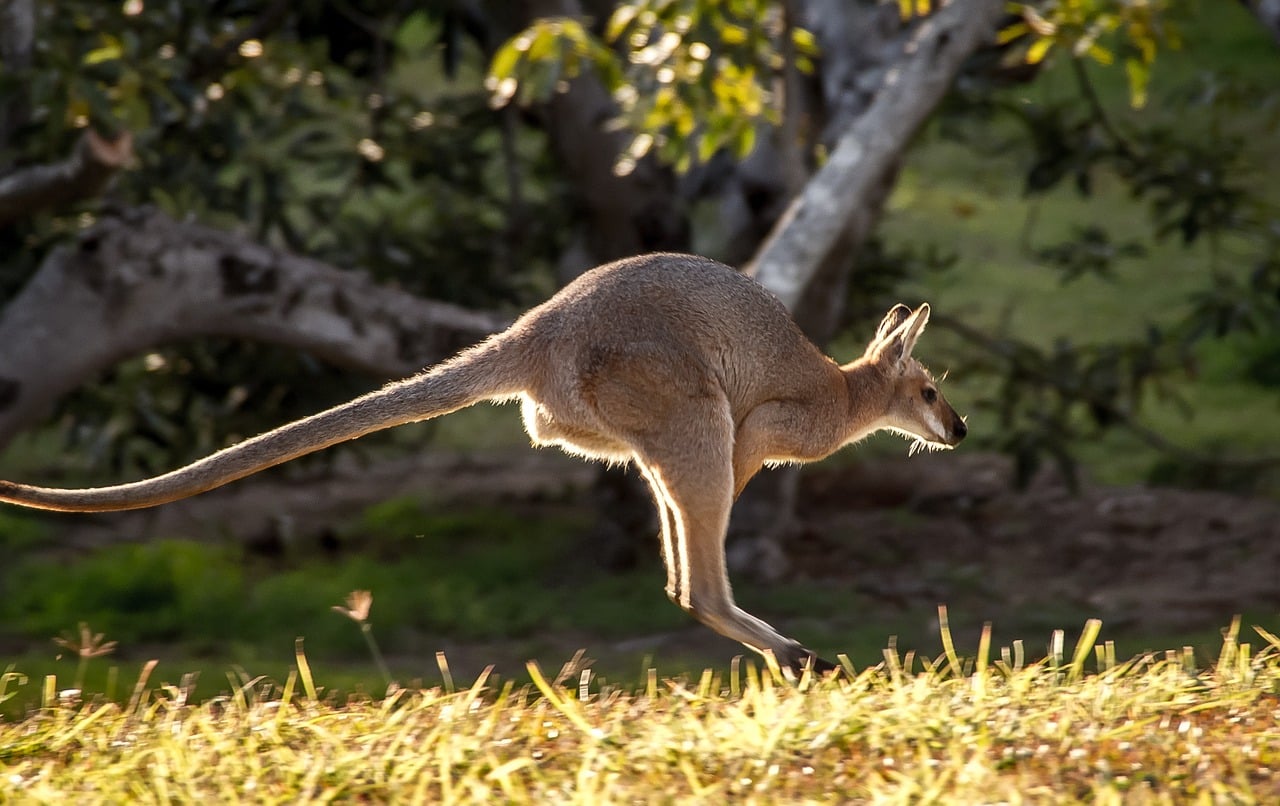
Kangaroos are known for their unique hopping gait, which allows them to reach speeds of up to 44 miles per hour. Using their powerful hind legs and muscular tails for balance, kangaroos cover significant distances in large leaps, conserving energy in the process. Although they can’t sustain top speed for long, kangaroos are quick and agile, especially when evading predators. Humans would have no chance of keeping up, as kangaroos’ speed and unique hopping style make them natural distance runners in their environment.
The Ones You Might Outpace
 Shutterstock
Not all animals are built for high-speed chases! Surprisingly, a few creatures move at such a relaxed pace that humans could likely outrun them. While some animals rely on swift movement to hunt or escape threats, others take life slowly, focusing on energy conservation and unique survival strategies. These slower-paced animals remind us that speed isn’t always essential for survival, giving even the average human a fair chance at winning the race. Sometimes, the journey is just as valuable as the destination.
Tortoise
 Shutterstock
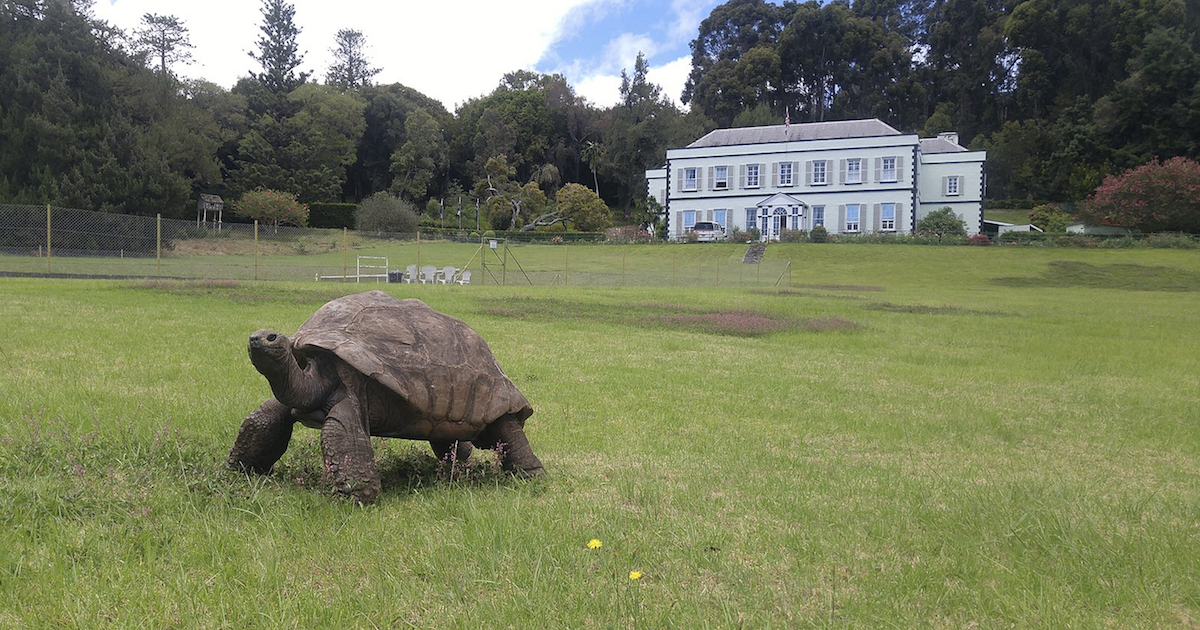
The tortoise is famously slow, averaging speeds of about 0.2 miles per hour. Their heavy shells and short legs mean they’re built for protection rather than speed, and they rely on their shells to avoid threats instead of running away. Humans could easily outrun a tortoise, but with their long lifespan and ability to survive harsh conditions, tortoises are in no rush to go anywhere quickly. Racing a tortoise would be a leisurely affair, making it one of the few animals we could confidently outpace.
Sloth
 Shutterstock
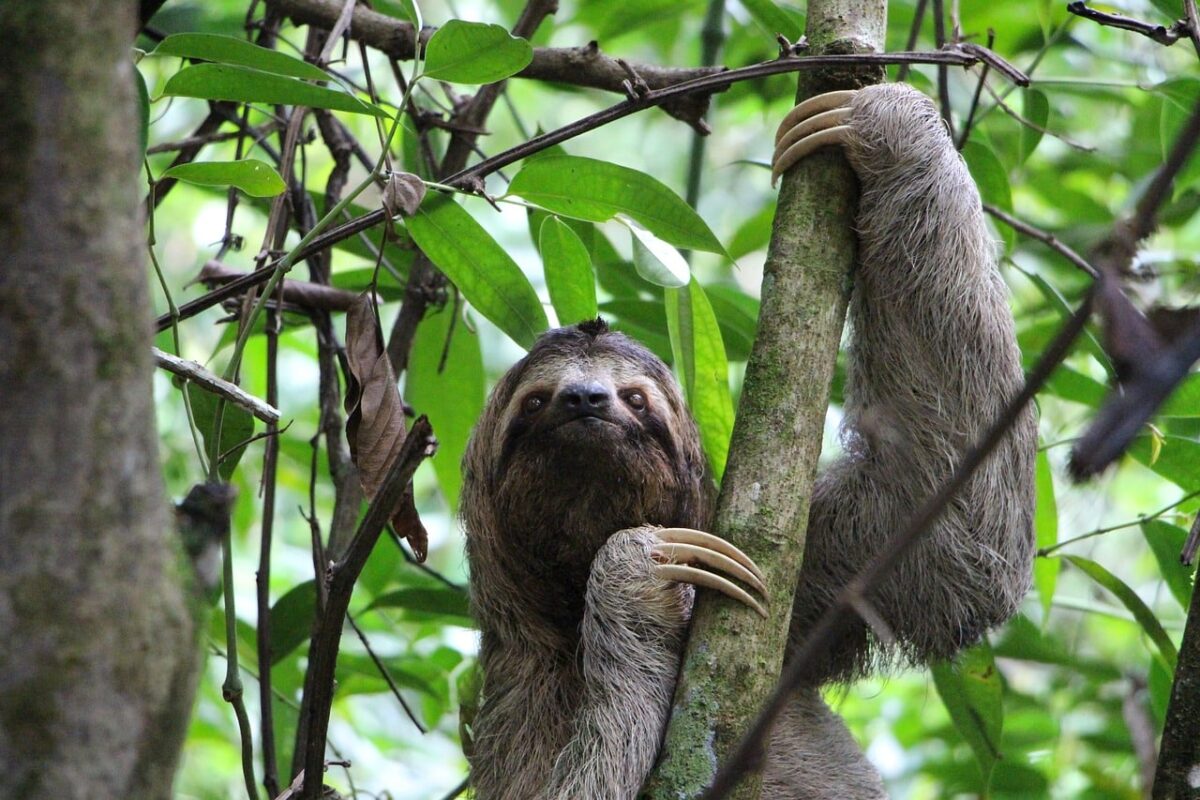
Sloths are incredibly slow, moving at a relaxed pace of around 0.15 miles per hour on land. Their slow speed is due to a low metabolism, which conserves energy for their tree-dwelling lifestyle. Sloths rely on their camouflage and limited movement to avoid predators rather than running away. Although they can pick up speed in the trees, humans would easily outrun a sloth on the ground. However, sloths don’t seem too concerned with speed; they’re perfectly content at their own unhurried pace.
Koala
 Shutterstock
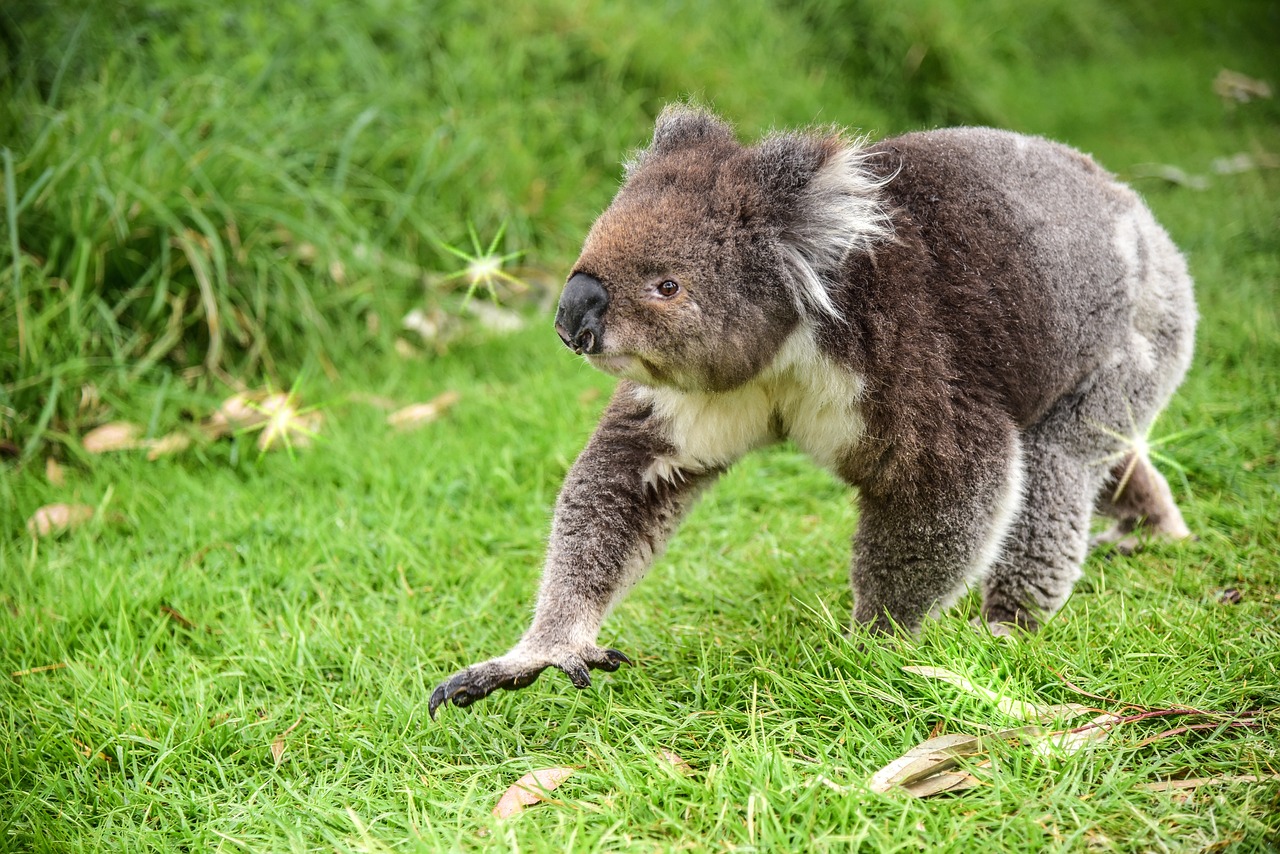
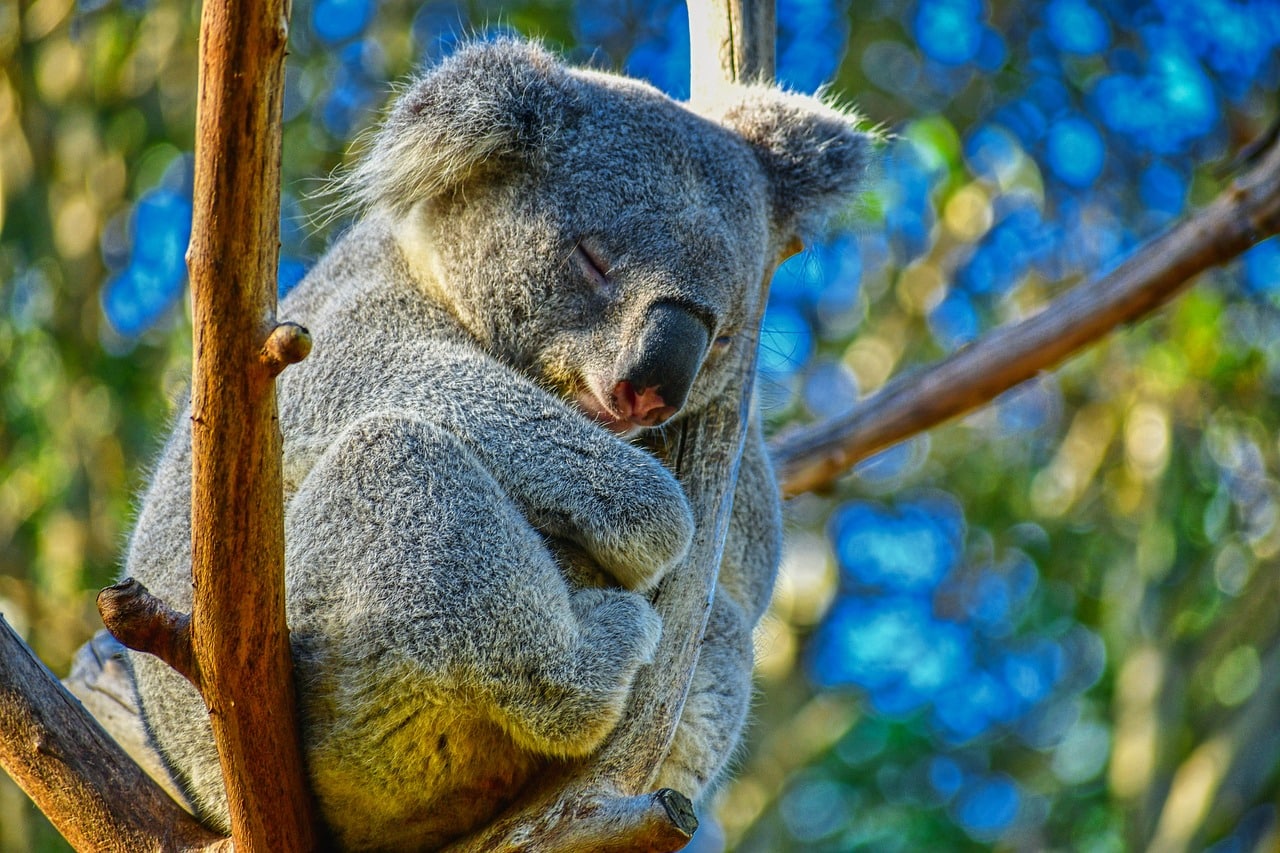
Koalas are known for their laid-back lifestyle and slow movement, averaging around 0.5 miles per hour. These tree-dwelling animals conserve energy by resting for most of the day, only moving when necessary. Although they can move quickly in short bursts, koalas generally prefer to take things slow. Humans would have no trouble outrunning a koala, but since koalas are built for climbing rather than running, they’re in no rush to race. Their slow speed suits their relaxed, tree-bound lifestyle perfectly.
Manatee
 Shutterstock
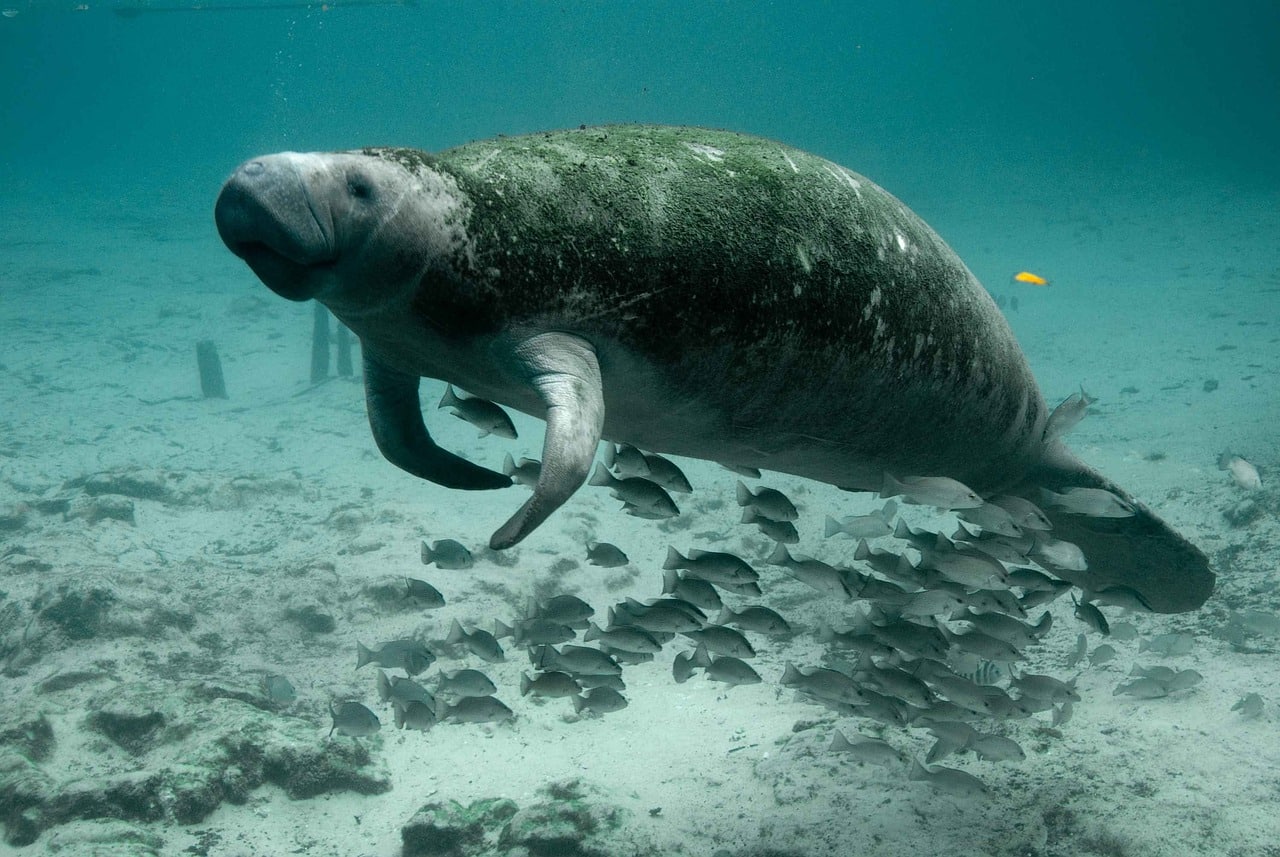
Manatees, also known as “sea cows,” are gentle, slow-moving animals that typically swim at around 3 to 5 miles per hour. While they can reach up to 15 miles per hour in short bursts, they generally prefer a leisurely pace. Their large, rounded bodies and slow metabolism make them built for grazing rather than speed. In a short swim, humans could likely keep up with a manatee, though they’re more interested in drifting through the water than racing.
Gila Monster
 Shutterstock
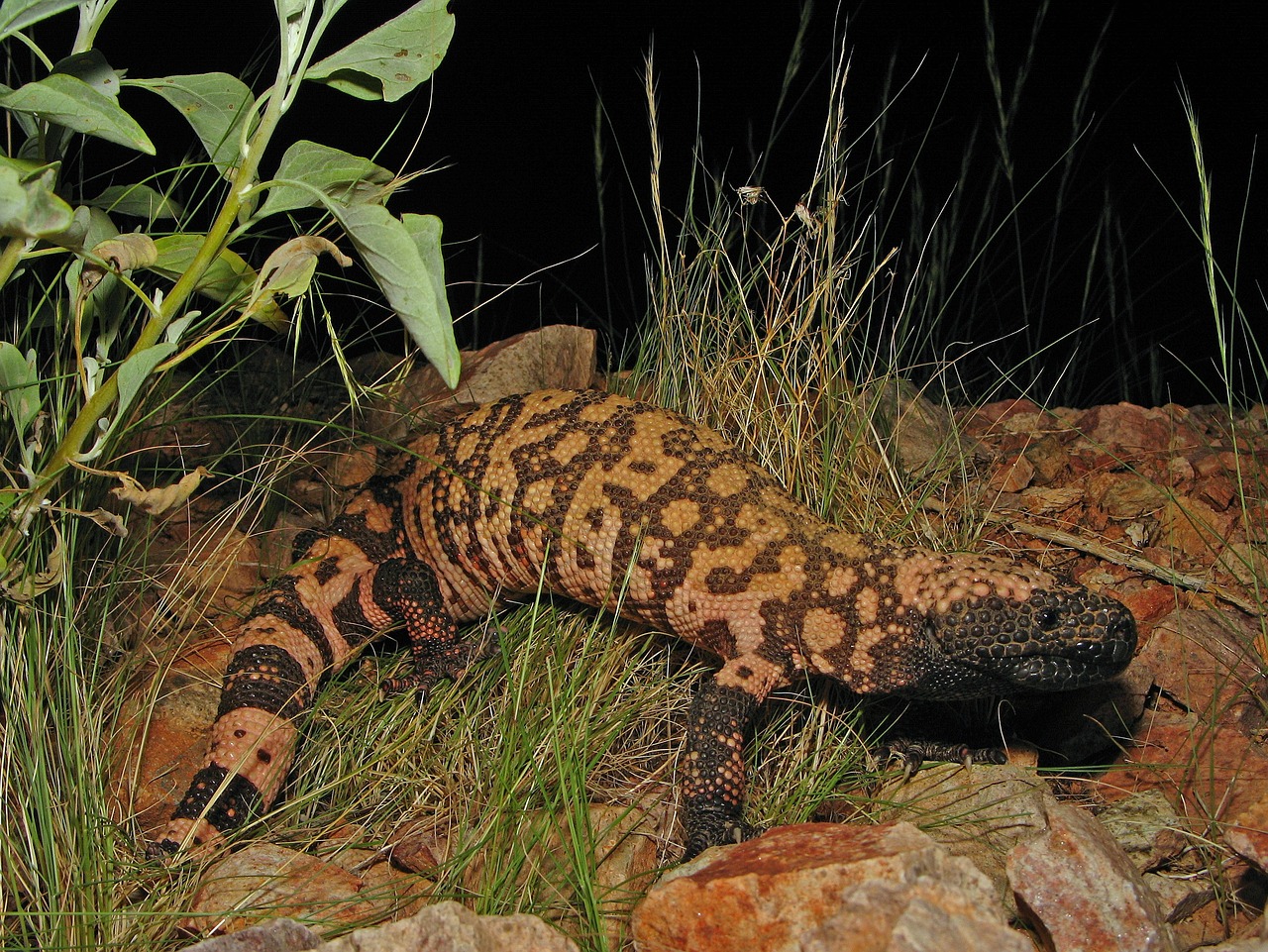
The Gila monster is a slow-moving reptile, typically traveling at about 1.5 miles per hour. Known for their thick bodies and short legs, Gila monsters rely on their venomous bite for protection rather than speed. Humans would have little trouble outrunning a Gila monster, but it’s best not to get too close. Despite their slow pace, Gila monsters are well-adapted to their environment and have survived by conserving energy and staying hidden.
The Speed Demons And The Slowpokes
 Shutterstock
From the lightning-fast cheetah to the relaxed tortoise, nature showcases an incredible range of speeds. While some animals rely on velocity to survive, others thrive at a slower pace. Whether sprinting or strolling, each creature’s speed reflects its unique lifestyle and needs, highlighting the diversity of nature’s adaptations. Speedsters like cheetahs and falcons show the thrill of quick movement, while slowpokes like tortoises remind us that survival can be about patience. Each animal has a role, reminding us that every pace has a purpose in the natural world.