When was the last time you washed your dog's favorite toy? Or cleaned the water bowl with more than a quick rinse?
Most of us remember baths, grooming appointments, and flea prevention—but the everyday items our dogs use often don't get the same attention. Yet bowls, beds, blankets, collars, and toys collect saliva, dirt, food residue, and bacteria surprisingly quickly. Keeping them clean isn't about having a spotless house. It's about helping your dog stay healthier and more comfortable.
The good news? You don't need an exhausting cleaning schedule. A few simple habits can make a noticeable difference.
Why Your Dog's Things Need Regular Cleaning
Dogs explore the world with their noses and mouths. Their favorite toy ends up in the garden, on the living room floor, back in their mouth, and sometimes even in the food bowl.
Over time, everyday items can collect:
- saliva and food residue
- bacteria and mold
- dirt from walks
- pollen and allergens
- loose fur and skin oils
Most healthy dogs won't become sick from a slightly dirty toy, but allowing grime to build up for weeks isn't ideal either. Regular cleaning reduces odors, helps prevent bacterial growth, and keeps your dog's environment fresher. Veterinary hygiene recommendations also encourage cleaning pet items on a regular schedule rather than only when they look dirty.
A Practical Cleaning Schedule
Here's an easy routine that works for most households.
Food Bowls
Wash after every meal, especially if your dog eats wet food.
Even dry kibble leaves behind oils that encourage bacterial growth. Warm water and dish soap are usually enough. Stainless steel bowls are often the easiest to keep hygienic because they resist scratches better than plastic.
Water Bowls
Empty and refill with fresh water every day.
Give the bowl a proper wash daily to remove the slippery film that naturally forms from saliva and bacteria.
Dog Bed and Blankets
Wash once every one to two weeks.
If your dog sheds heavily, has allergies, enjoys muddy adventures, or sleeps on your furniture, weekly washing is even better. Always make sure bedding is completely dry before your dog uses it again.
Plush Toys
Wash every few weeks—or sooner if they become muddy or smell unpleasant.
Many fabric toys can go into the washing machine on a gentle cycle if the care label allows it.
Rubber and Plastic Toys
Wash every week or whenever they become dirty.
Warm soapy water works well for most durable toys. Replace any toy with deep cracks or pieces breaking off, since damaged toys can become a choking hazard.
Collar, Harness, and Leash
Clean about once a month.
If your dog loves swimming, rolling in mud, or hiking, wash them more often. Clean equipment is more comfortable and usually lasts longer.
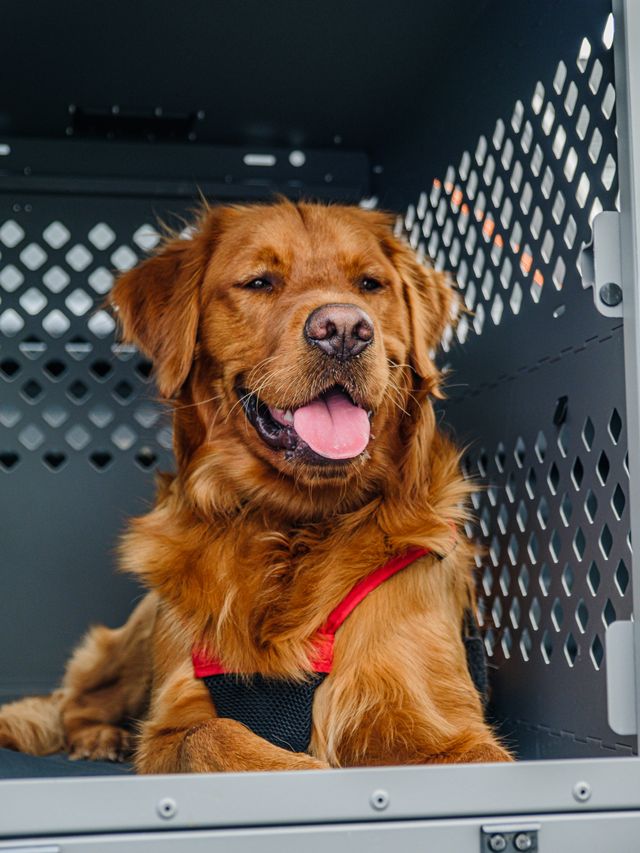
Crate
Wipe it down every week and give it a deeper clean about once a month.
Pay attention to corners where hair, dirt, and food crumbs collect.
Signs It's Time to Clean Sooner
Sometimes the calendar isn't the best guide.
Clean your dog's belongings immediately if you notice:
- a bad smell
- visible dirt
- sticky food residue
- mold
- excessive drool buildup
- your dog has been sick
- another pet in the household is ill
When a dog has an infection or stomach upset, it's worth cleaning bowls, bedding, and toys more frequently until they're fully recovered.
Don't Forget Grooming Tools
Brushes and combs quietly collect loose hair, skin flakes, and natural oils.
Remove trapped hair after every grooming session and wash grooming tools every few weeks with warm water and mild soap.
Clean tools help keep your dog's coat cleaner too.
A Clean Home Starts With Small Habits
You don't have to spend every weekend washing dog supplies.
Many owners find it easiest to connect pet cleaning with their normal household routine:
- wash bowls while doing the dishes
- wash blankets with towels
- wipe the crate during regular vacuuming
- clean toys while mopping the floor
Small habits take only a few minutes but help prevent dirt from building up over time.
If your dog enjoys spending time outdoors, you might also like our guide How Often Should You Bathe Your Dog?, where we explain how to keep your dog's coat clean without overbathing.
Keeping your dog's environment clean goes hand in hand with reducing loose fur around your home. If you're constantly finding hair on furniture, carpets, or clothes, our guide Clean Pet Hair Tips: Simple Ways to Keep Your Home Fur-Free shares practical tricks that make everyday cleaning much easier.
Conclusion
Keeping your dog's belongings clean isn't about perfection—it's about creating a healthier environment with a few simple routines.
Fresh water, clean bowls, washed bedding, and safe toys all contribute to your dog's comfort every single day. Most cleaning tasks take only a few minutes, but together they help reduce bacteria, odors, and unnecessary wear.
Your dog probably won't notice that their favorite blanket was just washed—but they'll certainly appreciate having a clean, comfortable place to curl up after another happy day.
FAQ
Can I wash dog toys with regular dish soap?
Yes. Mild dish soap and warm water are safe for most rubber and plastic toys. Rinse thoroughly so no soap residue remains.
How often should I replace dog toys?
Replace toys when they're torn, cracked, missing pieces, or no longer safe to chew.
Are stainless steel bowls better than plastic?
In most cases, yes. Stainless steel is durable, easier to sanitize, and less likely to develop scratches where bacteria can hide.
Should I wash my dog's bedding separately?
It's usually a good idea, especially if it's heavily covered with hair or mud. Use a pet-safe detergent and make sure the bedding is completely dry before use.