
Few things frustrate dog owners more than finding a surprise puddle or poop on the floor. The good news? Most indoor accidents have a reason, and with patience, you can usually solve the problem.
Whether you have a young puppy, a newly adopted rescue, or an older dog who suddenly started having accidents, this guide will help you get back on track.
First: Don't Punish Your Dog
If you catch your dog in the act, calmly interrupt and take them outside. Yelling, rubbing their nose in the mess, or scolding after the fact won't help. In many cases, punishment only makes dogs anxious and can make house training harder.
Instead, focus on teaching the behavior you want.
Why Dogs Have Accidents Indoors
1. They Need More Potty Breaks
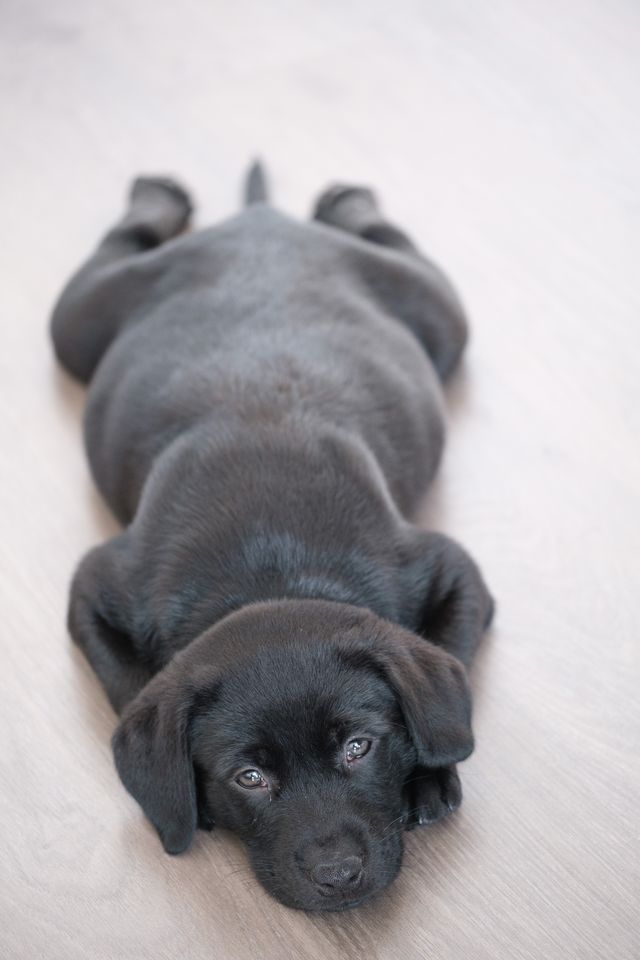
Puppies have tiny bladders and limited control. Even adult dogs may need more frequent bathroom trips than we expect.
Take your dog outside:
- First thing in the morning
- After meals
- After naps
- After play sessions
- Before bedtime
A predictable routine helps dogs understand when and where to go.
2. Medical Problems
If a previously house-trained dog suddenly starts peeing or pooping indoors, schedule a vet visit.
Possible causes include:
- Urinary tract infections
- Digestive issues
- Parasites
- Kidney problems
- Age-related incontinence
Medical problems can make accidents impossible for a dog to control.
3. Stress or Anxiety
Dogs sometimes have accidents when they feel stressed.
Common triggers include:
- Moving to a new home
- New family members
- Loud noises
- Separation anxiety
- Changes in routine
A stressed dog isn't being stubborn—they may simply be overwhelmed.
If indoor accidents suddenly become frequent, consult your veterinarian and review guidance from American Humane Society on house training.
4. Incomplete House Training
Some dogs never fully learned where they should go.
If that's the case, go back to the basics:
- Supervise closely
- Reward outdoor potty success
- Limit unsupervised freedom
- Create a consistent schedule
Think of it as starting fresh.
New dog owners may also enjoy our puppy care guides packed with practical everyday advice.
How to Retrain Your Dog
Use Positive Reinforcement
The moment your dog finishes peeing or pooping outside:
- Praise enthusiastically
- Offer a small treat
- Use the same cue phrase every time
Dogs quickly learn that outdoor potty trips lead to rewards.
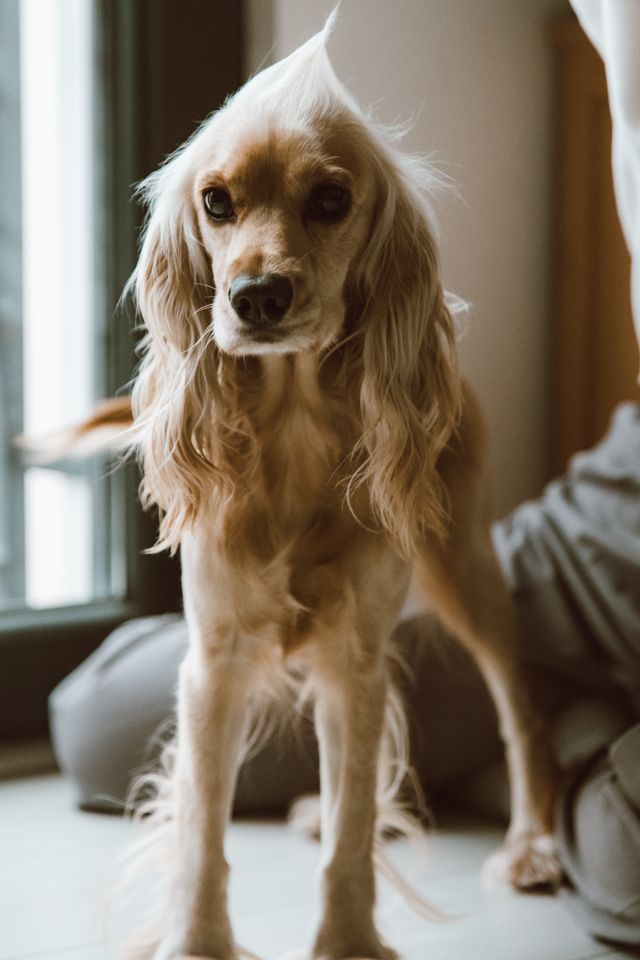
Watch for Potty Signals
Many dogs give subtle warnings:
- Sniffing the floor
- Circling
- Whining
- Walking toward the door
- Suddenly becoming restless
When you notice these signs, head outside immediately.
Dogs that spend time alone may benefit from a consistent routine and proper house-training habits.
Clean Accidents Properly
Regular cleaners often leave behind odors that dogs can still smell.
Use an enzymatic pet cleaner to completely remove urine and fecal odors. This helps prevent repeat accidents in the same spot.
Common House-Training Mistakes
Avoid these common errors:
- Punishing accidents
- Inconsistent potty schedules
- Leaving puppies unsupervised too long
- Skipping rewards for outdoor success
- Cleaning with products that don't remove odors
Consistency is more important than perfection.
FAQ
Why does my dog poop in the house but pee outside?
Your dog may not have enough opportunities to go outside, may feel rushed outdoors, or could have a digestive issue. Monitor patterns and consult your veterinarian if the problem continues.
Should I punish my dog for accidents?
No. Punishment often creates fear and confusion and can make house training more difficult.
How long does house training take?
Every dog is different. Some puppies learn within weeks, while adult rescue dogs may need several months of consistent training.
Why does my dog only have accidents when I'm away?
This may be related to separation anxiety, stress, or simply needing more frequent potty breaks.
When should I see a veterinarian?
If accidents start suddenly, increase in frequency, or are accompanied by changes in drinking, eating, or behavior, schedule a vet visit promptly.
Indoor accidents can be frustrating, but they rarely happen out of spite. Most dogs are communicating a need—whether it's more training, a better routine, reduced stress, or medical attention.
Stay patient, reward the behavior you want, and remember that consistency wins. With time and the right approach, most dogs can learn exactly where bathroom breaks belong. 🐾