Introduction
Dog biting is a stressful situation for any owner. Whether it’s a playful puppy or an adult dog reacting out of fear, it’s important to understand why dog biting happens and how to respond correctly.
In this guide, you’ll learn exactly what to do when dog biting occurs, what mistakes to avoid, and when the situation become
Dog Biting – What to Do
When dog biting happens, reacting emotionally can make things worse. Avoid shouting or punishment.
1. Identify the Cause
Dog biting can happen due to:
- fear
- pain
- play (especially puppies)
- frustration
- territorial behavior
Observe carefully:
- When does the dog bite?
- Who does it bite?
- What signals appear before (growling, tension)?
Understanding the cause is key.
2. Stop the Behavior Immediately
If dog biting happens during play:
- stop the interaction instantly
- turn your back
- ignore the dog for 10–20 seconds
This teaches the dog that biting ends the fun.
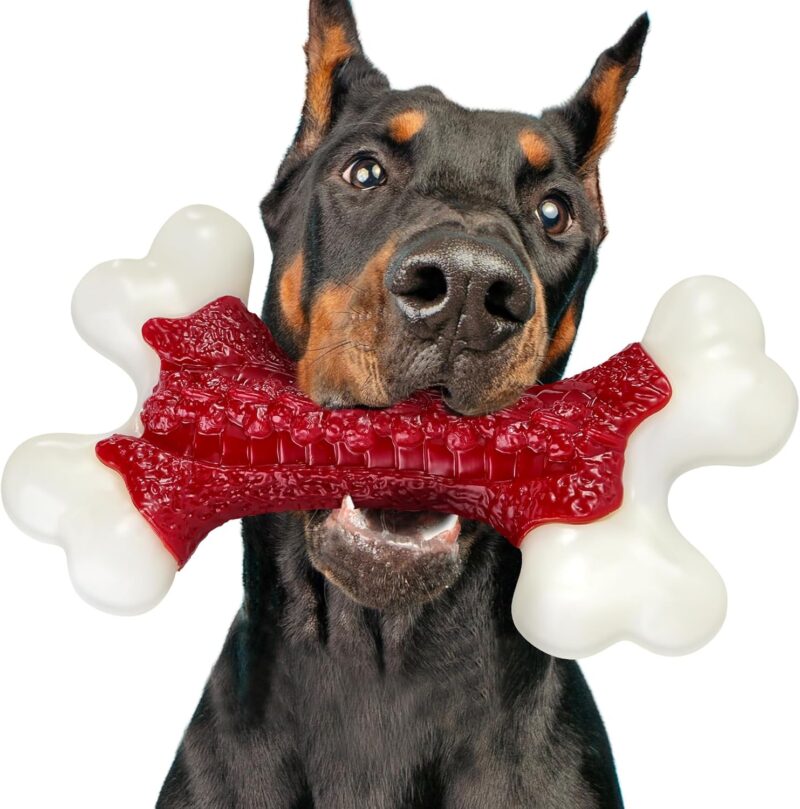 👉 [AFFILIATE: dog training toys to redirect biting]
3. Redirect Energy
Dogs often bite due to excess energy.
Solutions:
- longer walks
- playing fetch
- chew toys
A tired dog is a calm dog.
4. Use a Clear Command
Use a simple command:
- “No!”
- always the same tone
- no shouting
Consistency matters more than volume.
Common Owner Mistakes
Many owners unintentionally make dog biting worse.
❌ Punishing the Dog
Physical punishment:
- increases fear
- can trigger aggression
- damages trus
❌ Inconsistent Rules
Allowing biting sometimes but not always confuses the dog.
Rule:
👉 if it’s forbidden once, it must always be forbidden
❌ Ignoring Warning Signs
Dogs warn before biting:
- growling
- stiff body
- ears back
Ignoring this leads to biting.
❌ Lack of Exercise
Without enough activity:
- dogs become frustrated
- biting becomes an outlet
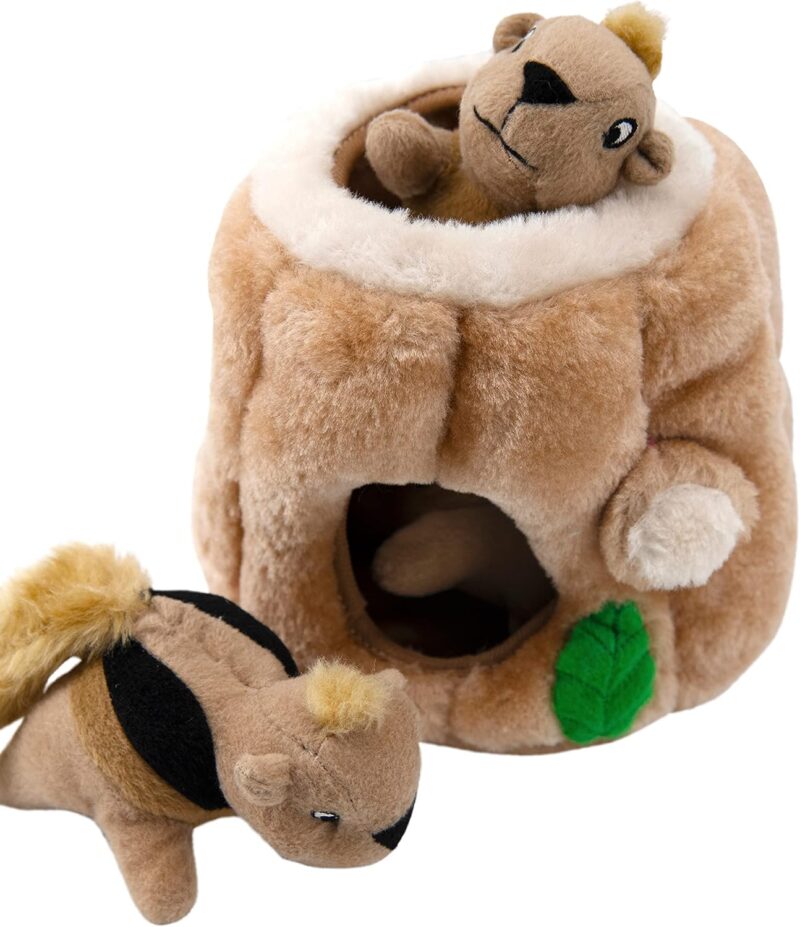
👉 [AFFILIATE: interactive dog toys]
How to Calm a Dog or Puppy (Step-by-Step)
Puppy biting is very common. Here’s what works:
Step 1: Teach Bite Inhibition
When the puppy bites:
- say “Ouch!” in a high tone
- stop moving
- ignore
This mimics natural learning.
Step 2: Provide an Alternative
Instead of your hand:
- give a chew toy
- redirect attention
Never leave the dog without an option.
Step 3: Short Training Sessions
Train:
- 5–10 minutes daily
- consistently
- with rewards
Step 4: Reward Calm Behavior
When calm:
- praise
- give treats
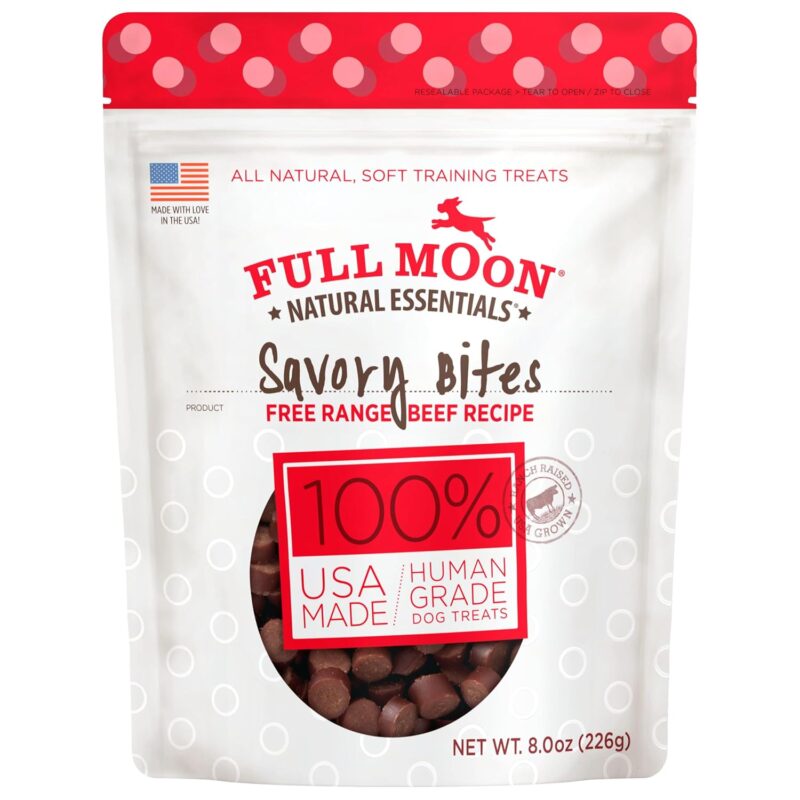
👉 [AFFILIATE: training treats for dogs]
Step 5: Create Routine
Dogs need structure:
- regular feeding
- daily walks
- rest time
Routine reduces stress and biting.
When Dog Biting Is Serious
Some cases require immediate attention.
⚠️ No Warning Signs
Dog bites without signals → serious issue.
⚠️ Repeated Attacks
Multiple biting incidents → urgent action needed.
⚠️ Aggressive Behavior
Signs:
- exposed teeth
- intense stare
- stiff posture
⚠️ Injuries
If biting causes wounds or bleeding → seek help.
What to Do
- contact a professional trainer
- consult a veterinarian
- do not handle alone
FAQ (SEO Boost Section)
Why is my dog biting me?
Dogs bite due to fear, stress, play, or lack of training.
How do I stop my puppy from biting?
Use redirection, stop play immediately, and reward calm behavior.
Is dog biting normal?
Puppy biting is normal, but it must be corrected early.
Conclusion
Dog biting is not something to ignore, but it is manageable. With the right approach, consistency, and patience, you can stop the behavior effectively.
Remember:
- never punish
- stay consistent
- provide enough activity
- train regularly