
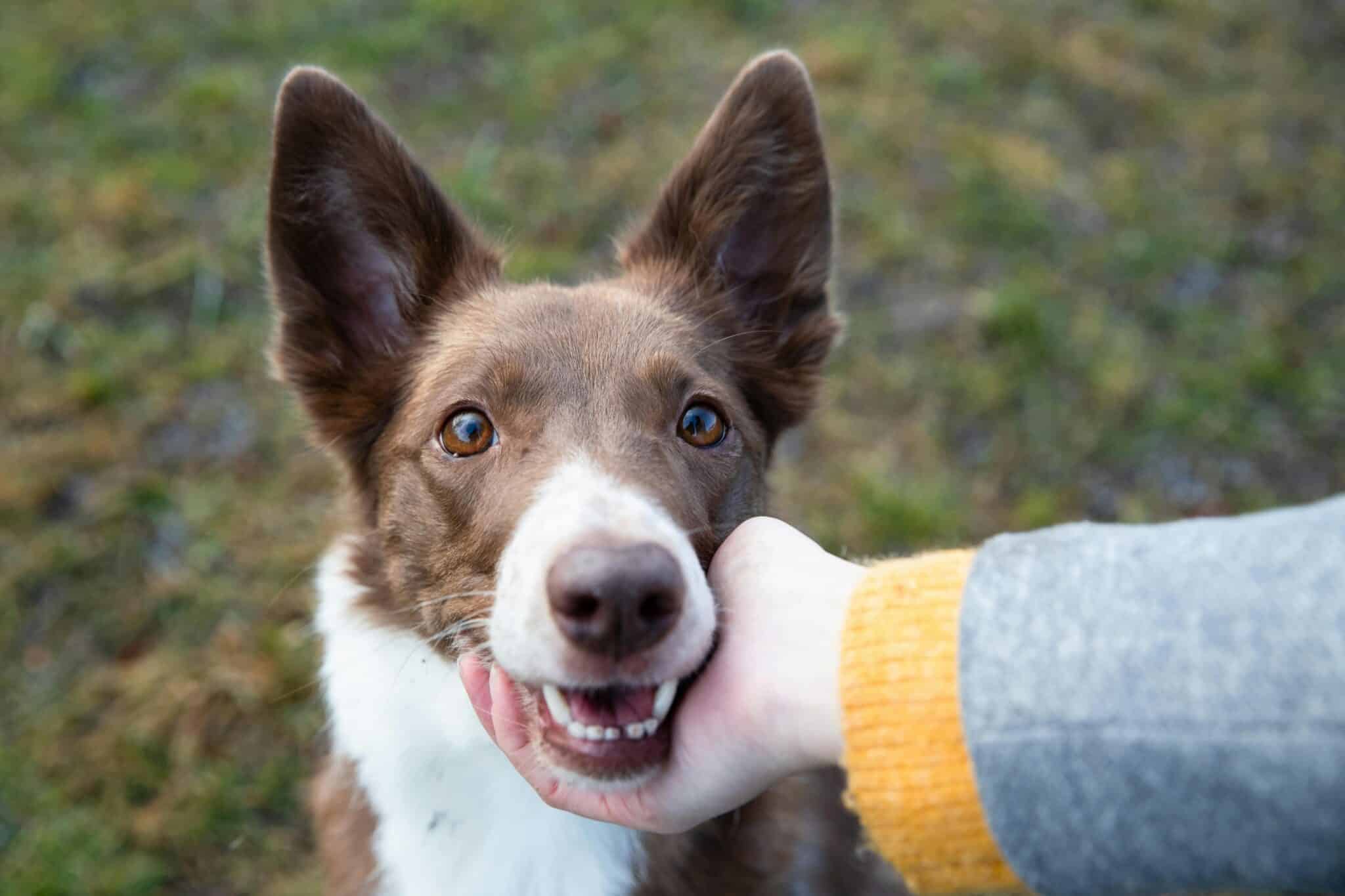
Have you ever wondered why your dog suddenly keeps sniffing one particular spot on your body or acts differently around you? While it might seem unusual, researchers have discovered that dogs can recognize tiny chemical changes in the human body that are impossible for us to smell.
A dog's nose contains up to 300 million scent receptors, allowing it to detect volatile organic compounds (VOCs) released through our breath, sweat, urine, or skin. These scent changes may occur when certain diseases alter the body's metabolism. Scientists are still studying this fascinating ability, but trained medical detection dogs have already shown promising results.
Let's look at some of the conditions dogs may be able to detect.
1.Cancer
This is probably the best-known example. Studies suggest trained dogs may recognize scent changes linked to several cancers, including breast, lung, colorectal, prostate, and ovarian cancer.
While dogs are not a replacement for medical screening, researchers continue to explore how their remarkable noses could support earlier diagnosis.
2.Diabetes
Medical alert dogs can warn people when blood sugar becomes dangerously low or high.
Many owners report their dogs alerting them before they notice symptoms themselves, giving them valuable time to check glucose levels and take action.
3.Epilepsy
Some specially trained dogs can alert their owners minutes before a seizure occurs.
Researchers believe dogs detect subtle scent changes that happen before the seizure begins, although the exact mechanism is still being investigated.
4.Parkinson’s Disease
Recent studies suggest Parkinson's disease produces a unique scent signature on the skin.
Medical detection dogs have successfully identified samples from people with Parkinson's, offering hope for earlier diagnosis in the future.
5.Malaria
Researchers have successfully trained dogs to recognize malaria by smelling socks worn by infected children.
The findings suggest dogs could one day help with rapid screening in areas where malaria is common.
6.COVID-19
During the pandemic, trained dogs demonstrated impressive accuracy in identifying COVID-19 from sweat samples.
Although this isn't widely used today, the research highlighted just how sensitive canine noses can be.
7.Urinary Tract Infections (UTIs)
Studies have shown trained dogs can detect bacteria responsible for urinary tract infections simply by smelling urine samples.
This could eventually help speed up diagnosis in healthcare settings.
8.Tuberculosis
Tuberculosis changes the chemical compounds released by the body, and trained dogs have shown encouraging results in detecting infected samples.
More research is still needed before this becomes part of routine medical care.
9. Bacterial Infections
Beyond UTIs, dogs have demonstrated the ability to detect several bacterial infections, including Clostridioides difficile and MRSA in research settings.
These abilities may eventually support infection control in hospitals.
Can Your Family Dog Diagnose You?
Probably not.
Most pet dogs are not trained medical detection dogs, so unusual behavior should never be treated as a medical diagnosis.
However, many owners have reported their dogs repeatedly sniffing, licking, or pawing at a specific area before a health problem was discovered. If your dog suddenly becomes unusually focused on one spot or behaves differently around you, it's worth paying attention—but always consult a healthcare professional if you're concerned.
Dogs continue to amaze scientists with their extraordinary sense of smell. While research is still evolving, trained medical detection dogs have already shown that they can recognize scent changes associated with several human diseases.
For now, their incredible noses should be viewed as a promising support tool—not a substitute for medical testing or professional healthcare.
Dogs Are Sniffing Their Way To Lifesaving Fame
 Shutterstock
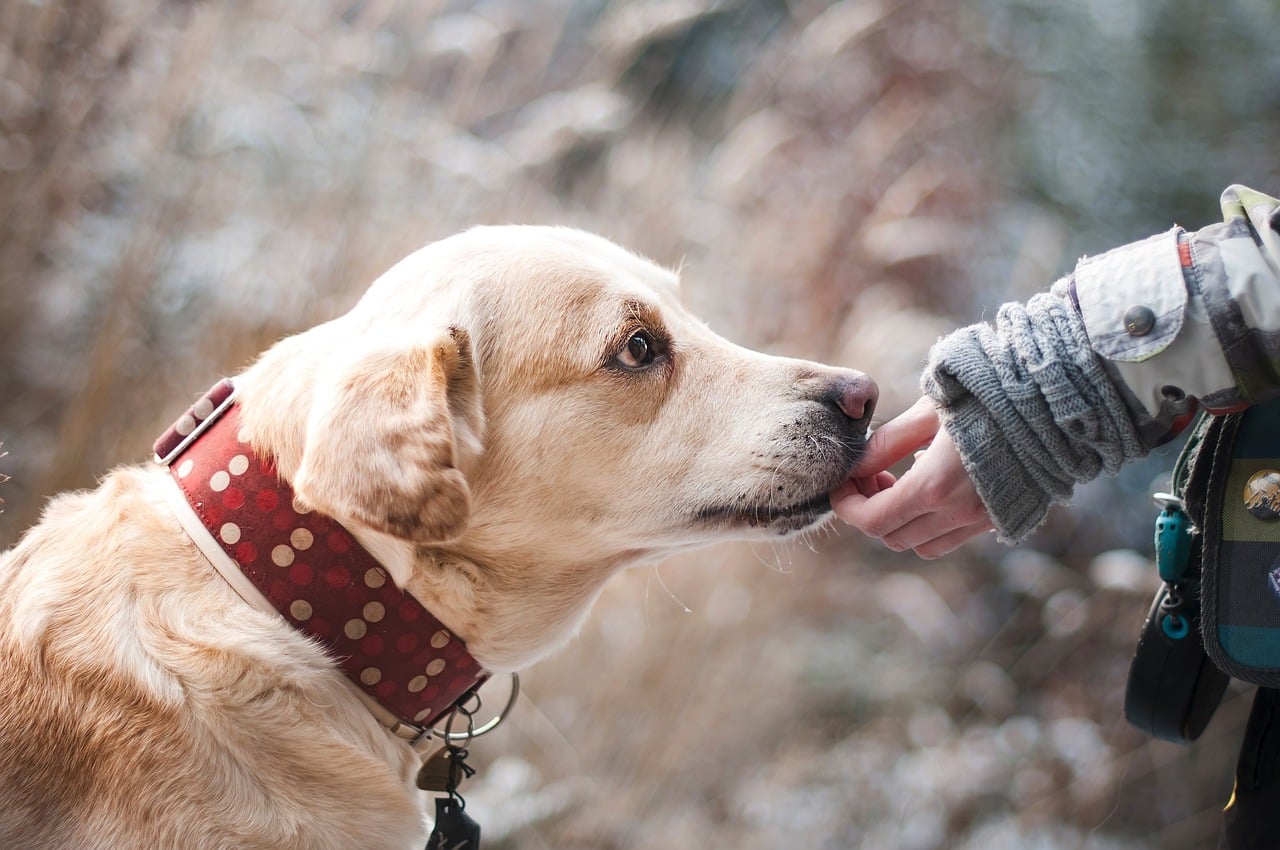
When it comes to detecting diseases, dogs aren’t just man’s best friend—they’re also medical marvels with extraordinary noses that can save lives. Their ability to sniff out various illnesses, often before traditional medical tests can, makes them invaluable companions in both the home and healthcare settings. These incredible dogs are as vital as any high-tech medical equipment. So, the next time you see your dog sniffing around, remember: they might be picking up on something far more important than just a snack under the couch.
Wondering what other amazing abilities dogs have?Reas our article about how dogs experience music and sounds.
Want to better understand your dog´s behavior? Check out our guide on why puppies follow their owners everywhere.