
Bringing a puppy home is one of life's most exciting moments. But for your puppy, it's a huge change. They've just left their mother, littermates, and everything familiar behind. The first week isn't about teaching lots of commands—it's about building trust, creating routines, and helping your puppy feel safe in their new home.
Watch the following educational video :
If you focus on consistency and positive experiences from day one, you'll build a strong foundation for all future training.
Day 1: Help Your Puppy Feel Safe
Your puppy needs time to adjust. Keep the first day quiet and avoid inviting lots of visitors.
Show your puppy where to find:
- their bed or crate
- food and water bowls
- the potty area
- a few safe chew toys
Let them explore each room gradually while supervising them. Don't worry if they seem nervous or sleepy—this is completely normal.
Day 2: Visit Your Veterinarian
One of the first priorities after bringing your puppy home is scheduling a veterinary check-up if it hasn't already been done.
Your veterinarian will:
- perform a complete health examination
- discuss the vaccination schedule
- recommend deworming if needed
- confirm or arrange microchipping
- answer questions about feeding, exercise, and parasite prevention
Starting with a healthy puppy gives you peace of mind and helps prevent future problems.
Day 3: Create a Predictable Routine
Dogs learn best through repetition.
Feed your puppy at the same times every day and take them outside:
- immediately after waking up
- after every meal
- after playtime
- before bedtime
A consistent schedule speeds up house training and helps your puppy understand what to expect each day.
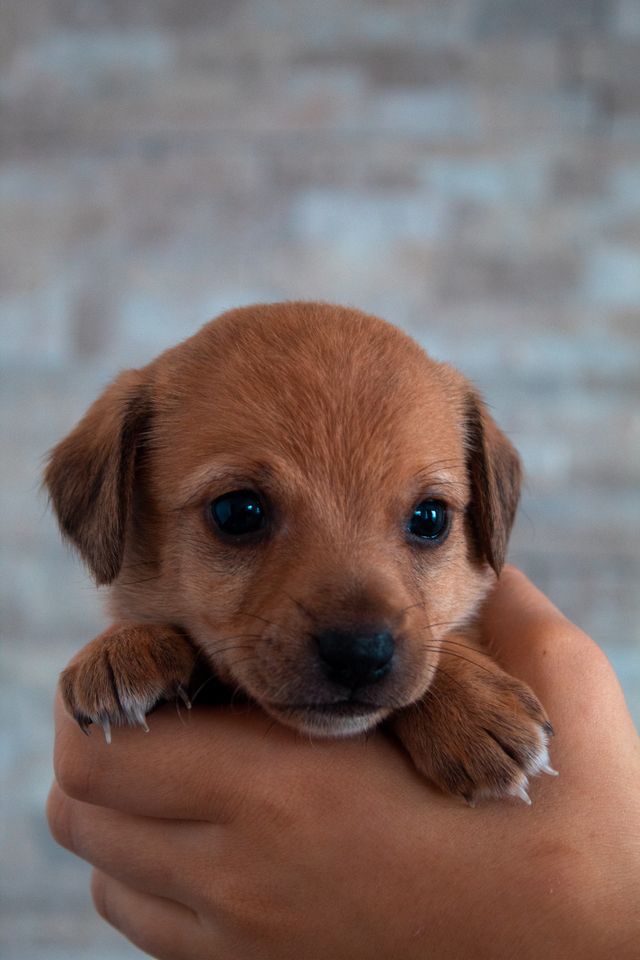
Day 4: Build Trust with Hand Feeding
Instead of putting the entire meal into a bowl, feed part of your puppy's daily kibble from your hand.
Hand feeding:
- strengthens your bond
- teaches your puppy to focus on you
- encourages calm behaviour
- makes future training easier
Reward eye contact and relaxed behaviour while keeping sessions short and enjoyable.
Day 5: Teach Your Puppy's Name
Your puppy's name is one of the first things they should learn.
Say their name once in a cheerful voice. As soon as they look at you, reward them with a piece of kibble or a small treat.
Avoid repeating the name several times. You want your puppy to learn that responding immediately brings something positive.
Day 6: Introduce Simple Training
Keep lessons short—around three to five minutes.
Start with easy skills like:
- Sit
- Come
- Watch Me
- Touch
Always reward success with praise, food, or play. Positive reinforcement helps puppies enjoy learning and builds confidence.
During your puppy's first week, introduce new experiences slowly.
Examples include:
- household sounds
- different floor surfaces
- friendly visitors
- short car rides
- people wearing hats or sunglasses
Never force interactions if your puppy seems frightened. Let them investigate at their own pace while rewarding calm behaviour.
Common First-Week Mistakes
Many owners accidentally make the first week harder by:
- expecting too much too soon
- punishing potty accidents
- skipping naps
- introducing too many visitors
- changing routines every day
- allowing rough play that encourages biting
Remember, your puppy is still learning how the world works. Patience is one of the most valuable training tools you have.
For trusted guidance on vaccinations, early training, and puppy development, visit the American Kennel Club (AKC) puppy training resources.
Puppy Essentials That Make Training Easier
Having the right supplies can make your puppy's first week much smoother.
Soft puppy training treats
Wellnes Store

Reward your puppy with soft, bite-sized training treats that make learning fun, easy, and delicious. 🐶🦴✨

Durable chew toys
Brand: Cdyzqikm Store
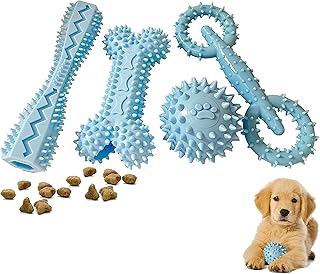
Soothe teething and satisfy your puppy’s natural chewing instincts with these durable chew toys, designed for healthy teeth and endless fun. 🐶🦴
a Crate or puppy play
SNAAT Store
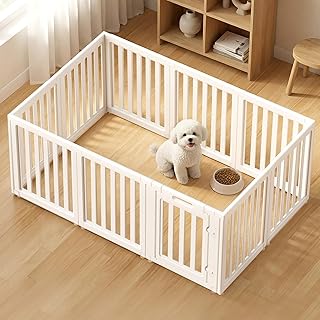
Create a safe and secure space for your puppy with this sturdy playpen, perfect for training, playtime, and supervised rest. 🐶🏡✨
Disclosure: This article contains affiliate links. As an affiliate partner, we may earn a commission from qualifying purchases.
Final Thoughts
The first week with your new puppy isn't about perfection—it's about building a relationship based on trust, consistency, and positive experiences.
Every meal, potty break, training session, and cuddle helps your puppy understand that they've found a safe, loving home. Those small daily moments become the foundation for a happy, confident dog for years to come.
FAQ
When should I start training my puppy?
Training begins the day your puppy comes home. Keep sessions short, fun, and reward-based.
Is hand feeding recommended?
Yes. Hand feeding builds trust, improves focus, and creates positive associations with learning.
How long should training sessions last?
Around 3–5 minutes several times throughout the day is ideal for young puppies.
Should I punish my puppy for accidents?
No. Simply clean the area thoroughly and continue rewarding successful potty trips outside.
What is the most important goal during the first week?
Helping your puppy feel safe, establishing a routine, and building a strong bond with positive experiences.
After your puppy's first week, continue building healthy habits with our guide Puppy Development: 8 to 12 Weeks – Bringing Your Puppy Home and Building Good Habits.
Wondering what life with a puppy is really like? Read What Having a Puppy Is Really Like to learn what to expect during the first few months.