
In 2022, Norway made global headlines after a court ruled that breeding English Bulldogs and Cavalier King Charles Spaniels violated the country’s animal welfare laws. The decision ignited an international debate about whether traditional dog breeding practices, especially those prioritizing appearance over health, can still be justified in light of modern veterinary science.
Since that original ruling, the conversation has evolved. New legal decisions, ongoing enforcement challenges, and growing international scrutiny have reshaped what the future may hold for these beloved but medically vulnerable breeds.
What Sparked the Controversy in 2022
The original case was brought by animal welfare organizations who argued that breeding Bulldogs and Cavaliers inherently causes suffering due to widespread genetic and structural health problems.
The Oslo District Court agreed, citing Norway’s Animal Welfare Act, which requires that animals be bred in ways that promote good health and natural function. The court concluded that:
-
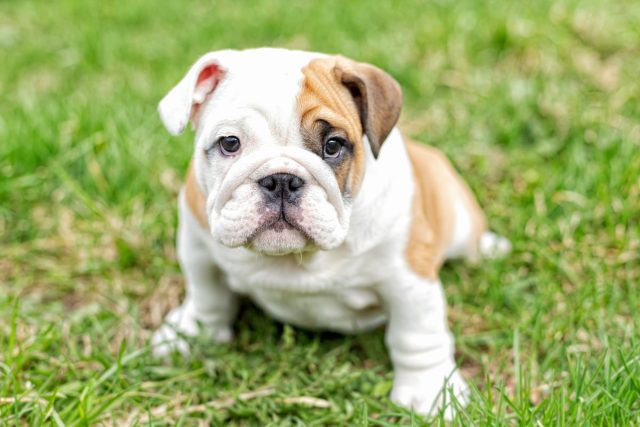
English Bulldogs commonly suffer from severe breathing difficulties due to flat faces (brachycephalic obstructive airway syndrome, or BOAS), heat intolerance, and orthopedic issues.
-
Cavalier King Charles Spaniels face extremely high rates of mitral valve disease and syringomyelia, painful neurological conditions that often shorten their lives.
The ruling effectively banned breeding of both breeds in Norway. It was the first of its kind worldwide.

A Major Update: Norway’s Supreme Court Weighs In
In October 2023, Norway’s Supreme Court partially revised the original decision, creating a more nuanced outcome:
-
The breeding ban on Cavalier King Charles Spaniels was upheld. The court ruled that the breed’s genetic health issues are so widespread that ethical breeding is currently not possible under Norwegian law.
-
The blanket ban on English Bulldogs was overturned. However, breeding is only permitted under strict health-focused conditions, including outcrossing and measurable improvements in breathing, mobility, and overall function.
This split decision reflects a growing legal consensus: some breeds may be salvageable through rigorous reform, while others face genetic challenges so severe that continued breeding raises serious ethical concerns.
Ongoing Challenges and Enforcement Concerns
Despite the legal rulings, enforcement has proven difficult. Norwegian animal welfare groups report that:
-
Illegal or unregulated breeding continues, particularly for Cavaliers.
-
Demand for popular breeds often pushes breeding underground, where health testing and welfare standards are ignored.
-
Existing laws lack clear mechanisms for monitoring genetic health outcomes over time.
These challenges underscore a broader issue: banning or regulating breeding is only effective when paired with education, transparency, and consumer accountability.
How the Global Dog World Has Responded
Norway’s actions have sent shockwaves through kennel clubs, veterinary organizations, and breeders worldwide.
-
Kennel clubs in Europe and the UK largely oppose breed bans, arguing that responsible breeding reform — not prohibition — is the best path forward.
-
Veterinary associations and welfare groups increasingly support measurable health criteria, genetic diversity, and revised breed standards that prioritize function over aesthetics.
-
Countries like the Netherlands have already implemented restrictions on breeding dogs with extreme physical traits, particularly flat-faced breeds.
Together, these efforts signal a slow but meaningful shift away from “looks first” breeding.
Has This Affected Breeding Laws in the United States?
In short: not directly. But the conversation is changing.
-
The U.S. currently has no federal laws banning the breeding of specific dog breeds based on health or conformation.
-
However, Norway’s rulings have influenced veterinary discourse, animal welfare advocacy, and limited state-level proposals.
-
Some states have introduced bills or ordinances addressing extreme breeding traits, though none have resulted in nationwide breed bans.
-
Organizations like the American Kennel Club strongly oppose breed-specific legislation, advocating instead for voluntary health testing and breeder education.
For now, most U.S. progress remains cultural rather than legal, driven by awareness, consumer demand, and pressure on breeders to improve.

What This Means for Dog Parents (and Future Dog Parents)
Even without sweeping laws, individual choices matter. Whether you already share your life with a dog or are considering bringing one home, you have real power to influence ethical breeding.
Here’s how you can help:
1. Choose breeders who prioritize health, not appearance
2. Support transparency
3. Don’t fuel demand for unhealthy trends
4. Consider adoption or rescue
-
Breed-specific rescues exist for Bulldogs, Cavaliers, and other high-risk breeds.
-
Adoption helps reduce pressure on irresponsible breeders.
5. Advocate for better standards
The Bigger Picture: Redefining What Ethical Breeding Looks Like
Norway’s decisions didn’t end the debate; they amplified it. As science reveals more about inherited disease and suffering, societies are being forced to confront an uncomfortable question:
If we love dogs, are we willing to change how we breed them?
Progress may be slow and uneven, but momentum is building. Through informed choices, ethical breeding standards, and continued advocacy, dog lovers around the world can help ensure that future generations of Bulldogs, Cavaliers — and all dogs — are bred for health, comfort, and quality of life, not just appearance.
On our website, you will find many helpful articles and videos about dog care, training, real-life stories, and inspiration for every dog lover. Explore more content and discover interesting insights from the world of dogs.