
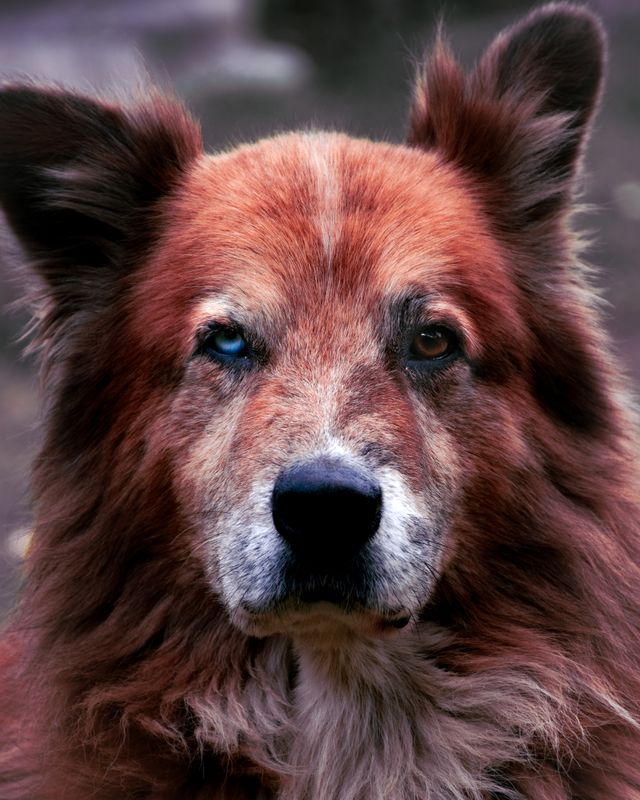
Watching your dog grow older is bittersweet. Their muzzle turns gray, their steps become slower, but the love they give never changes. The good news is that a few simple changes can help your senior dog stay happy, comfortable, and enjoy every day by your side.
Growing older doesn't mean your dog has stopped enjoying life. It simply means they need a little more understanding than before. Small adjustments at home and in your daily routine can make a surprisingly big difference.
This short video shares five practical ways to help your senior dog stay comfortable, active, and happy as they grow older.
Let Them Move at Their Own Pace
Many owners worry when their dog starts slowing down. But slower doesn't mean unhappy.
Senior dogs still benefit from daily walks because gentle exercise keeps their joints flexible, supports a healthy weight, and gives them the chance to explore the world through their incredible sense of smell.
Instead of one long adventure, try two or three shorter walks each day. Let your dog choose the pace. Sometimes stopping to sniff a tree is just as enjoyable as walking another hundred yards.
If your dog struggles with stiffness after resting, you may also enjoy reading our guide on summer heat safety for dogs, which explains how weather can affect older pets and how to keep them comfortable during warm days.
Your home may look exactly the same to you, but for an aging dog it can slowly become more difficult to move around.
Simple changes often have the biggest impact:
- Place non-slip rugs on slippery floors.
- Add a ramp or pet stairs for beds or couches.
- Raise food and water bowls to reduce neck strain.
- Keep your dog's favorite resting place warm and quiet.
These adjustments help your dog stay independent while reducing the risk of slips and injuries.
Comfort Is More Important Than Luxury
Older dogs spend much more time resting than puppies or young adults.
An orthopedic dog bed can reduce pressure on aging joints and make it easier for your dog to get comfortable. Even dogs that have always loved sleeping on the floor often appreciate extra cushioning as they age.
Comfort isn't about spoiling your dog. It's about helping them wake up with less stiffness and more energy.

Keep Their Mind Active
A senior dog's body may slow down, but their mind still enjoys learning and exploring.
Hide a few treats around the house, introduce simple puzzle toys, or spend a few minutes practicing familiar commands.
Mental stimulation helps prevent boredom and keeps your dog engaged with everyday life.
Sometimes the happiest moments are simply sitting together in the garden or watching the world go by.
Watch for Small Changes
Dogs are experts at hiding discomfort.
Pay attention if your dog suddenly:
- sleeps much more than usual,
- hesitates before climbing stairs,
- loses interest in walks,
- drinks significantly more water,
- seems unusually restless at night.
These changes don't always mean something serious, but they deserve a conversation with your veterinarian.
If you notice lasting changes in your dog's mobility, appetite, or behavior, the American Kennel Club's guide to caring for senior dogs offers additional practical advice for supporting aging pets.
If you've recently noticed your dog drinking much more than normal, you may find our article Why Is Your Dog Drinking More Water Than Usual? helpful.
Nutrition Matters More Than Ever
As dogs age, their nutritional needs often change.
Maintaining a healthy weight reduces pressure on joints and supports overall health. Some senior dogs benefit from diets formulated specifically for older pets, while others may need adjustments recommended by their veterinarian.
Fresh water should always be available, especially during warmer months.
Your Presence Is Their Greatest Comfort
Perhaps the biggest gift you can give an aging dog isn't expensive equipment or special treats.
It's your time.
Older dogs often become more attached to the people they love. They may follow you from room to room, enjoy quiet companionship, or simply want to rest near your feet.
Those peaceful moments may seem ordinary today, but one day they'll become the memories you treasure most.
Growing older doesn't take away your dog's love. If anything, it makes every shared day even more meaningful.
Helping a senior dog stay comfortable doesn't require major changes—just a few thoughtful products can make everyday life easier.
Choose products that match your dog's size, mobility, and daily routine rather than buying everything at once.
Final Thoughts
Growing old is a natural part of every dog's journey. While you can't stop time, you can make every stage of life more comfortable, joyful, and full of love.
Your senior dog doesn't expect perfect days. They simply want to spend them with you.
FAQ
At what age is a dog considered a senior?
It depends on the breed. Large dogs often become seniors around 6–7 years old, while smaller breeds may not reach their senior years until around 9–10.
Should senior dogs still go for walks?
Yes. Gentle daily exercise helps maintain mobility, supports a healthy weight, and provides valuable mental stimulation.
What is the best bed for an older dog?
Orthopedic beds are often the best choice because they provide extra support for aging joints and improve overall comfort.
How often should a senior dog visit the veterinarian?
Many veterinarians recommend wellness checkups every six months for senior dogs to monitor age-related health changes.