
Walking your dog should feel relaxing, not like being dragged down the street by a furry locomotive. If your dog pulls on the leash every time you go outside, you're definitely not alone. The good news? You don't need harsh corrections, choke chains, or punishment to fix it.
With patience, consistency, and a few simple techniques, most dogs can learn that walking politely is far more rewarding than pulling ahead. Positive reinforcement and stopping forward movement when the leash becomes tight are among the most widely recommended training approaches.
Why Dogs Pull in the First Place
Dogs naturally walk faster than humans. They're excited by new smells, sounds, and sights. Every time a dog pulls and successfully reaches something interesting, the behavior gets rewarded.
In your dog's mind:
“I pulled forward, and I got where I wanted to go. Great idea—I'll do that again!”
That's why leash pulling often gets worse over time if it's never addressed.
Start in a Low-Distraction Environment
Before practicing on busy sidewalks, start somewhere boring:
- Backyard
- Quiet driveway
- Empty park
- Hallway or garden
Dogs learn faster when there aren't squirrels, people, and other dogs competing for their attention.
The Stop-and-Wait Method
This is one of the simplest and most effective techniques.
Step 1: Begin Walking
Start your walk normally.
Step 2: Dog Pulls?
The moment the leash becomes tight:
Stop moving immediately.
Don't yank the leash.
Don't scold.
Don't drag your dog back.
Just become a tree.
Step 3: Wait
Eventually your dog will:
- Look back at you
- Take a step toward you
- Loosen the leash
The second that happens, praise your dog and continue walking.
Your dog learns:
Pulling = walk stops.
Loose leash = walk continues.
Over time, this becomes crystal clear.
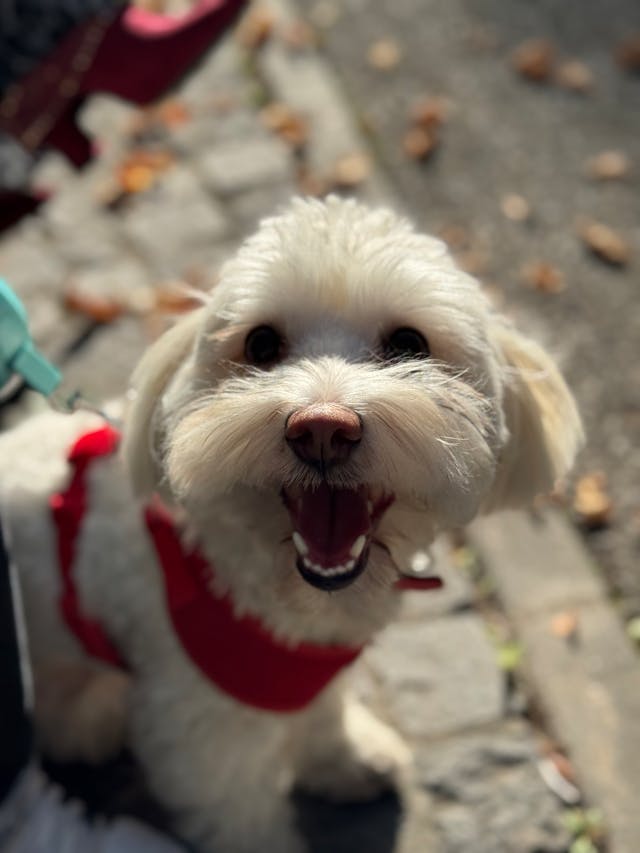
Reward the Behavior You Want
Many owners only notice mistakes.
Instead, pay attention when your dog is doing things right.
Whenever your dog walks beside you on a loose leash:
- Praise enthusiastically
- Offer a small treat
- Allow a sniff break
Dogs repeat behaviors that lead to rewards.
Change Direction Often
A simple trick used by many trainers is changing direction unexpectedly.
If your dog forges ahead:
- Turn around
- Walk the opposite way
- Reward when your dog catches up
Your dog learns to pay attention to where you're going instead of towing you down the street.
Let Your Dog Sniff
Some people believe dogs should march beside their owner for the entire walk.
In reality, sniffing is mentally enriching and can make walks more enjoyable. Teaching loose-leash walking doesn't mean eliminating exploration—it means teaching your dog to earn those opportunities politely.
Use Comfortable Equipment
Choose equipment that keeps your dog safe and comfortable.
Good options include:
- Standard flat collar
- Well-fitted harness
- Front-clip harness for strong pullers
Avoid equipment designed to cause pain or discomfort. Positive training methods are generally recommended over punishment-based approaches.
Looking for more expert advice on positive reinforcement training? This helpful guide explains additional leash training techniques that can make walks more enjoyable for both you and your dog.
Affiliate Picks for Loose-Leash Training
Front-Clip Dog Harness
Brand: Wuhnesd
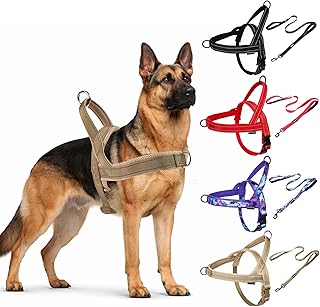
A front-clip harness can provide better control while reducing pressure on your dog's neck.

Training Treat Pouch
Chuckit! Store
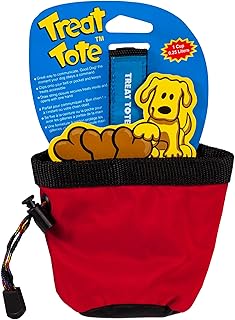
Keeps rewards easily accessible during walks.
Soft Training Treats
Zuke´s Store

Small treats allow frequent rewards without overfeeding.
Common Mistakes Owners Make
Being Inconsistent
If pulling works sometimes, your dog will keep trying.
Expecting Instant Results
Loose-leash walking takes practice.
Training in Busy Areas Too Soon
Start easy and gradually increase distractions.
Forgetting to Reward Good Behavior
Dogs need feedback when they make the right choice.
FAQ
How long does it take to stop leash pulling?
Many dogs show improvement within a few weeks of consistent training, though strong pullers may need longer.
Should I pull back when my dog pulls?
No. Instead, stop walking and wait for the leash to loosen.
Are harnesses better than collars?
For many dogs, harnesses provide greater comfort and reduce pressure on the neck.
Can older dogs learn loose-leash walking?
Absolutely. Dogs of any age can learn new habits with consistent training.
Should I use treats forever?
No. As your dog improves, you can gradually replace treats with praise, play, and sniffing opportunities.
Teaching your dog to stop pulling isn't about being stronger than your dog—it's about being more consistent. Every walk is a training opportunity. Stay patient, reward the behavior you want, and remember that progress comes one step at a time.
Before long, your daily walks can become something both you and your dog genuinely enjoy. 🐾