

Every dog owner likes to believe their dog is well behaved. And honestly, most dogs are loving, loyal, and full of personality — even when they occasionally steal socks or bark at absolutely nothing.
But good behavior in dogs is not about perfection.
A well-behaved dog is simply easier to live with. Walks feel calmer, guests can visit without chaos, and everyday life becomes less stressful for both owner and pet.
Sometimes it’s hard to know whether your dog’s behavior is normal, spoiled, anxious, or simply energetic. If you’ve been wondering whether your furry companion has good manners or needs a bit more training, here are the biggest signs to look for.
Your Dog Listens Most of the Time
No dog listens perfectly 24/7.
Even highly trained dogs get distracted sometimes, especially outdoors where smells, noises, and squirrels suddenly become the most important thing in the world.
Still, a well-behaved dog usually understands basic commands like:
- Sit
- Stay
- Come
- Leave it
- Down
The key word is consistency.
If your dog responds reasonably well most of the time, that’s already a strong sign of good behavior.
Training becomes much easier when owners use rewards consistently. Many dog owners use small soft training treats during practice sessions because dogs respond faster to positive reinforcement.
Walks Feel Manageable
One of the clearest signs of dog behavior problems appears during walks.
Does your dog pull constantly? Lunge at other dogs? Ignore you completely outside?
Loose leash walking takes time to learn, but calmer walks are usually a sign that your dog respects boundaries and stays focused on you.
Many owners notice major improvement after switching to a comfortable no-pull harness instead of a standard collar, especially with strong or energetic breeds.
Long training leashes can also help safely practice recall outdoors without losing control.
Your Dog Can Calm Down After Excitement
Excitement is normal.
Dogs get happy when visitors arrive, when food appears, or when they hear the leash.
The difference is that well-balanced dogs eventually settle down again.
If your dog stays hyper for long periods, jumps nonstop, or constantly demands attention, they may simply need more exercise or mental stimulation.
Interactive puzzle toys are extremely helpful for energetic dogs because they keep the brain busy and reduce boredom behavior inside the house.
Snuffle mats and treat puzzles are especially popular with active breeds that become destructive when under-stimulated.
Your Dog Is Friendly Without Being Out of Control
A social dog is wonderful.
A dog that throws its entire body onto every guest who enters your home? Slightly less wonderful.
Good social behavior usually means:
- Minimal jumping
- Controlled excitement
- Reduced barking
- Calm greetings
- Comfortable body language
Not every dog must love strangers. Some dogs are naturally shy or reserved, and that’s perfectly okay.
The goal is calm behavior, not a perfect personality.
Your Dog Handles Alone Time Reasonably Well
Dogs are social animals, but healthy independence matters too.
A well-behaved dog can usually stay home alone for a few hours without panic or destruction.
Common signs of separation stress include:
- Destroyed furniture
- Excessive barking
- Scratching doors
- Indoor accidents
- Nervous pacing
Dogs struggling with anxiety often benefit from calming dog beds, safe chew toys, or crate training that creates a secure resting space.
Some owners also use slow feeder bowls or frozen treat toys before leaving home because licking and chewing naturally help calm many dogs.
Common Behavior Problems Owners Shouldn’t Ignore
No dog is perfect, but some behaviors should not become permanent habits.
The most common warning signs include:
- Pulling aggressively on walks
- Ignoring commands
- Constant jumping
- Excessive barking
- Resource guarding food or toys
- Aggression toward dogs or people
- Destructive chewing
- Running away off leash
The earlier training starts, the easier these behaviors are usually to improve.
Waiting too long often makes problems harder to manage later.
Why Dogs Develop Bad Habits
Most dogs are not “bad dogs.”
Behavior problems often happen because dogs are:
- Bored
- Under-exercised
- Confused
- Inconsistently trained
- Overstimulated
- Anxious
Dogs need structure and repetition.
For example, if jumping is considered “cute” one day but punished the next, dogs receive mixed signals and struggle to understand boundaries.
Consistency matters much more than punishment.
Simple Ways to Improve Your Dog’s Behavior
Keep Training Sessions Short
Long exhausting training sessions usually frustrate dogs.
Short daily sessions work far better.
Even 10–15 minutes a day can improve focus and obedience over time.
Reward Good Behavior Immediately
Dogs learn through timing.
Rewarding calm behavior immediately helps dogs understand exactly what they did right.
Soft treats, praise, toys, and affection all work well as positive reinforcement rewards.
Many owners also like using clickers during training because the sound helps dogs connect actions with rewards faster.
Mental Exercise Matters Too
Physical exercise alone is not always enough.
Many intelligent breeds become destructive simply because they are mentally bored.
Puzzle toys, sniff walks, obedience games, and treat-dispensing toys help dogs stay calmer and more balanced indoors.
Mental stimulation often tires dogs faster than running alone.
Helpful Dog Training Products Many Owners Use
Some dog products genuinely make training easier and less stressful.
Popular choices include:
No-pull harnesses for leash training
KOOLTAIL Store
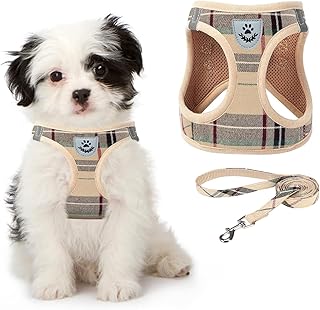
-unique design with simple and secure fit.Refletive strips are great for walking.

Soft training treats for obedience practice
Old Mother Hubbard store

-great for training and frequent snacking ,they are crunchy in a variety of flavors.
Long recall leashes for outdoor training
Codepets store
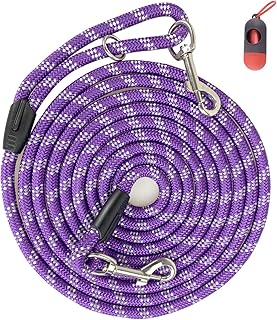
-this leash is strong , lightweight ,and safe for your dog to train.
The right training tools can make daily routines smoother for both dogs and owners.