
Few things are as heartwarming as a litter of newborn puppies. Tiny, sleepy, and completely dependent on their mother, these little bundles of fur go through incredible changes during their first two weeks of life. While they may look fragile, healthy puppies are growing and developing at an astonishing pace. During this neonatal stage, every day brings new milestones.
If you've recently welcomed a litter of puppies or you're simply curious about puppy development, here's everything you need to know about the first 14 days after birth.
The Neonatal Stage: What Happens From Birth to 2 Weeks?
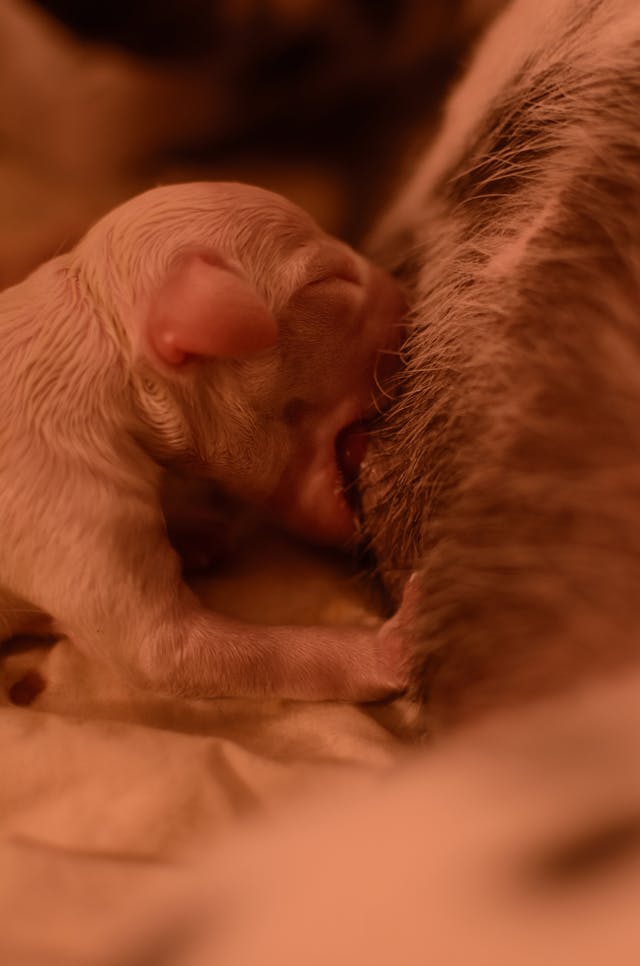
Newborn puppies enter the world with their eyes closed, ears sealed shut, and very limited mobility. They cannot regulate their body temperature and rely entirely on their mother for warmth, nutrition, and care. Most of their time is spent sleeping and nursing, which are both essential for healthy growth.
At this stage, puppies navigate their environment primarily through touch and smell. These senses help them find their mother's milk and stay close to their littermates.
Key Characteristics of Newborn Puppies
- Eyes remain closed
- Ears are not yet functional
- Limited movement, mostly crawling
- Dependence on mother's milk
- Need external warmth
- Sleep up to 90% of the day
- Rapid daily growth and weight gain
Why Weight Gain Matters
One of the most important indicators of a healthy puppy is steady weight gain. Responsible breeders and pet owners often weigh puppies daily during the first weeks of life. Puppies that gain weight consistently are usually nursing properly and receiving adequate nutrition.
A puppy that stops gaining weight or begins losing weight may require immediate veterinary attention. Early intervention can make a huge difference in survival and long-term health.
The Importance of Mother's Milk
During the first few days after birth, the mother produces colostrum, a nutrient-rich first milk packed with antibodies. This provides newborn puppies with crucial immune protection while their own immune systems are still developing.
Healthy puppies instinctively crawl toward their mother and nurse frequently throughout the day and night. Watching a litter feed peacefully is often one of the best signs that everything is progressing normally.
Keeping Puppies Warm
Unlike adult dogs, newborn puppies cannot maintain their own body temperature. The mother helps by keeping them close and warm, but breeders also need to ensure the whelping area stays at a safe temperature.
Signs puppies may be too cold include:
- Excessive crying
- Restlessness
- Poor nursing
- Weakness
A warm, clean, draft-free environment is essential during these early days.
Developmental Milestones During the First Two Weeks
Although puppies spend most of their time sleeping, important changes are happening behind the scenes.
Days 1–7
During the first week, puppies focus almost entirely on feeding and sleeping. Their bodies are growing rapidly, and they begin gaining strength in their limbs.
Days 8–14
Around 10 to 14 days after birth, one of the most exciting milestones occurs: the eyes begin to open. Vision is still blurry at first, but puppies slowly start becoming aware of their surroundings. Their ears also begin opening around this time, allowing them to start responding to sounds.
By the end of the second week, puppies often appear noticeably larger, stronger, and more alert than they did at birth.
Gentle Human Handling
Many experienced breeders introduce gentle handling during the first weeks of life. Short, calm interactions help puppies become familiar with human touch and may contribute to easier socialization later in life. However, puppies should never be separated from their mother for long periods.
Common Health Concerns
Newborn puppies are vulnerable and require close observation.
Watch for:
- Failure to nurse
- Weight loss
- Constant crying
- Low body temperature
- Weakness
- Separation from littermates
These can be warning signs that require veterinary attention. Early treatment is often critical.
Recommended Puppy Care Products
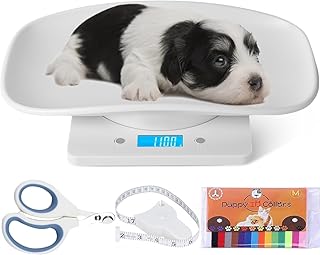
Digital Puppy Scale
Monitoring weight is one of the easiest ways to ensure newborn puppies are thriving. A digital pet scale allows breeders and owners to track growth accurately and identify potential problems early.
YTCYKJ Store
Why we recommend it:
- Accurate daily measurements
- Easy to use
- Helps monitor litter health
- Essential for breeders

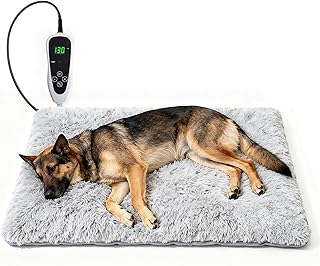
Puppy Heating Pad
A safe heating pad designed for puppies can help maintain a comfortable environment, especially when the mother leaves the whelping box temporarily.
GOLOPET Store
Benefits:
- Consistent warmth
- Adjustable temperature settings
- Supports newborn puppy comfort
- Useful for orphaned litters
FAQ About Newborn Puppies
When do newborn puppies open their eyes?
Most puppies begin opening their eyes between 10 and 14 days after birth. Vision remains blurry at first and gradually improves.
Can newborn puppies hear?
No. Puppies are born with sealed ear canals and typically begin hearing around two weeks of age.
How often do newborn puppies sleep?
Newborn puppies sleep most of the day, often around 90% of their time, waking mainly to nurse.
Is it okay to touch newborn puppies?
Yes, gentle handling is generally safe when done carefully and without causing stress to the mother.
What should I do if a puppy isn't gaining weight?
Consult a veterinarian immediately. Poor weight gain can indicate feeding issues, illness, or other health concerns.
When do puppies start walking?
Most puppies begin standing and attempting to walk around the end of the second week and into the third week of life.
The first two weeks of a puppy's life are filled with rapid growth, important developmental milestones, and complete dependence on their mother. While newborn puppies may appear fragile, proper nutrition, warmth, and attentive care help them build a strong foundation for the weeks ahead.
Watching tiny puppies transform from blind, crawling newborns into curious young dogs is one of the most rewarding experiences for any dog lover. With patience, observation, and a little knowledge, you can help ensure these precious first days are healthy and successful for every puppy in the litter. 🐾
You may also enjoy Puppy Development: 2 to 4 Weeks, where we cover eye opening, hearing development, and first steps.
Affiliate Disclosure: This article may contain affiliate links. If you purchase through these links, we may earn a small commission at no additional cost to you.