Have you noticed that your dog isn't as energetic as before? Maybe they get tired sooner on walks or seem reluctant to jump into the car. While aging can play a role, extra weight is often the hidden reason.
The good news is that helping your dog stay at a healthy weight doesn't require a strict diet or dramatic lifestyle changes. A few small habits can make a lasting difference.
Weight Gain Often Happens Gradually
Dogs rarely become overweight overnight.
An extra biscuit here, leftovers from dinner there, and a few missed walks during rainy weeks can slowly add up. Because the changes happen little by little, many owners don't realize there's a problem until their dog starts slowing down.
Checking your dog's body shape every few weeks is a simple habit that can help you spot changes early.
Feed the Right Amount—Not Just the Right Food
Even premium dog food can lead to weight gain if portions are too large.
Always follow the feeding guide on the package as a starting point, then adjust it based on your dog's age, activity level, and body condition. Measuring each meal is much more accurate than filling the bowl by eye.
If several family members feed your dog, make sure everyone knows when meals have already been served.
Choose Food That Supports a Healthy Weight
Nutrition plays a major role in maintaining a healthy body condition.
Dogs that gain weight easily may benefit from a high-quality weight management formula with balanced protein and fewer calories. These foods help dogs feel satisfied while supporting lean muscle instead of unnecessary fat.
When changing your dog's food, make the transition gradually over several days to avoid digestive upset.
Treats Should Be Part of the Plan
Treats don't have to disappear completely.
Instead, choose healthier options and reduce the quantity. Small training treats, carrot slices, green beans, or pieces of apple (without seeds) can all be good alternatives.
Remember that treats should only make up a small percentage of your dog's daily calorie intake.
Daily Exercise Doesn't Have to Be Intense
Regular movement is one of the easiest ways to prevent obesity.
A couple of enjoyable walks, a game of fetch, or even ten minutes of tug-of-war indoors can help your dog burn calories while keeping their mind active.
The goal isn't exhausting exercise—it's consistency.
Natural daily activities are often more effective than occasional long adventures.
If walks are becoming stressful, our article How to Stop Dog Pulling on Leash can help make daily exercise more enjoyable.
Know When It's Time to Visit Your Veterinarian
Sometimes weight gain isn't caused by overeating.
Hormonal disorders, certain medications, aging, or reduced activity can all affect your dog's weight. If your dog continues gaining weight despite healthy habits, it's worth scheduling a veterinary check-up.
Early advice is much easier than dealing with obesity later.
Recommended Products
High-Quality Weight Management Dog Food
IAMS Store
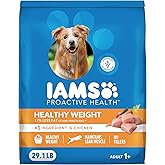
A balanced weight-control formula provides fewer calories while still delivering the nutrients your dog needs to stay healthy and active.
 Healthy Low-Calorie Training Treats
Pet Botanics Store
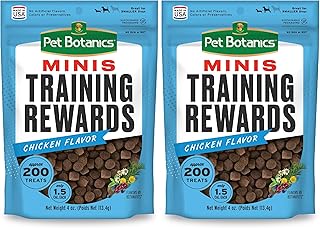
Reward good behavior without adding unnecessary calories. Smaller, healthier treats make training easier while supporting weight management.
Slow Feeder Bowl
Outward Hound Store
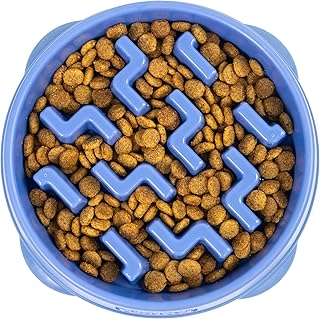
If your dog finishes meals in seconds, a slow feeder bowl encourages slower eating, improves digestion, and helps them feel satisfied for longer.
Keeping your dog at a healthy weight isn't about feeding less—it's about feeding smarter, staying active, and paying attention to small changes before they become bigger problems.
Healthy habits built today can help your dog enjoy more comfortable walks, healthier joints, and many happy years by your side.
Continue reading Is Your Dog Well Behaved? to discover how daily routines and healthy habits work together.
External resource: The American Kennel Club (AKC) offers reliable information on healthy body condition, nutrition, and exercise for dogs
How can I tell if my dog is overweight?
You should be able to feel your dog's ribs without pressing hard, and your dog should have a visible waist when viewed from above.
Which dogs are most likely to become overweight?
Breeds such as Labrador Retrievers, Beagles, Pugs, Dachshunds, and Cocker Spaniels are more prone to weight gain, but any dog can become overweight if they eat more calories than they burn.
Should I switch to weight-control food immediately?
Not always. If your dog has gained only a little weight, adjusting portion sizes and increasing daily activity may be enough. If you're unsure, ask your veterinarian for advice.
Can older dogs still lose weight safely?
Yes. Senior dogs can lose weight gradually with the right nutrition and gentle daily exercise designed for their age and health.