
Summer is a wonderful time to spend outdoors with your dog, but rising temperatures can quickly turn a simple walk into a dangerous situation. One of the most overlooked risks is hot pavement. While it may feel warm to you, it can be extremely painful — even dangerous — for your dog’s sensitive paw pads.
Many dog owners don’t realize that pavement can heat up far beyond the air temperature. This means your dog could be at risk of burns within seconds.

In this guide, you’ll learn how to recognize the danger, test pavement safely, and protect your dog’s paws during hot summer days.
Why Hot Pavement Is Dangerous for Dogs
Dogs don’t wear shoes. Their paws are in direct contact with the ground, making them highly vulnerable to heat.
When the sun shines on asphalt or concrete, these surfaces absorb and retain heat. Even on a mild day, pavement temperatures can become extreme.
For example:
- Air temperature: 25°C (77°F)
- Pavement temperature: up to 50–60°C (122–140°F)
At these temperatures, your dog’s paws can burn in less than a minute.
Burned paw pads can lead to:
- blisters
- pain and limping
- long-term sensitivity
- risk of infection
The 5-Second Rule (Simple Test Every Owner Should Know)
Before every walk, do this quick test:
👉 Place your hand on the pavement
👉 Hold it there for 5 seconds
If it’s too hot for your hand, it’s too hot for your dog.
This simple rule can prevent serious injuries and should become a daily habit during summer.
Watch This Example
“If it’s too hot for your foot, it’s too hot for your dog.”
5 Proven Ways to Protect Your Dog’s Paws
1. Walk During Cooler Hours
The safest times for walking are:
- early morning
- late evening
Avoid walking your dog during peak sun hours (11 AM – 5 PM).
2. Choose Grass Over Pavement
Whenever possible, walk on:
- grass
- dirt paths
- shaded areas
These surfaces stay much cooler than asphalt.
3. Use Dog Shoes (Best Protection)
Dog shoes provide the most reliable protection against hot pavement.
Hcpet Store

Benefits:
- shield paws from heat
- prevent burns and injuries
- allow safe walking even on hot days

4. Apply Paw Balm
Paw balm helps:
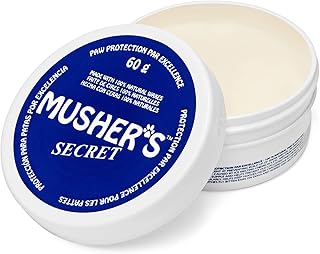
- moisturize paw pads
- reduce dryness and cracking
- create a light protective barrier
It’s not a replacement for shoes, but it’s a great addition.
5. Stay Hydrated
Always bring water for your dog during walks.
Heat doesn’t just affect paws — it affects the entire body. Hydration is essential for preventing overheating.
Signs Your Dog’s Paws Are Burned
Watch for these symptoms:
- limping or refusing to walk
- excessive licking of paws
- redness or dark discoloration
- visible blisters
If you notice any of these signs:
👉 stop walking immediately
👉 move your dog to a cool surface
👉 contact a veterinarian if needed
Common Mistakes Dog Owners Make
Avoid these mistakes:
- walking dogs at midday
- assuming pavement is safe without testing
- ignoring early warning signs
- relying only on paw balm
Final Thoughts
Protecting your dog’s paws doesn’t require much effort — just awareness and a few simple habits.
Before every walk, ask yourself:
👉 “Would I walk barefoot here?”
If the answer is no, your dog shouldn’t either.
By taking small precautions, you can ensure your dog stays safe, happy, and comfortable all summer long.