
Bringing home a puppy is exciting, but many new dog owners underestimate how important daily exercise and play really are. Physical activity is not only about burning energy. It helps your puppy develop strong muscles, healthy joints, good social skills, and even better behavior at home.
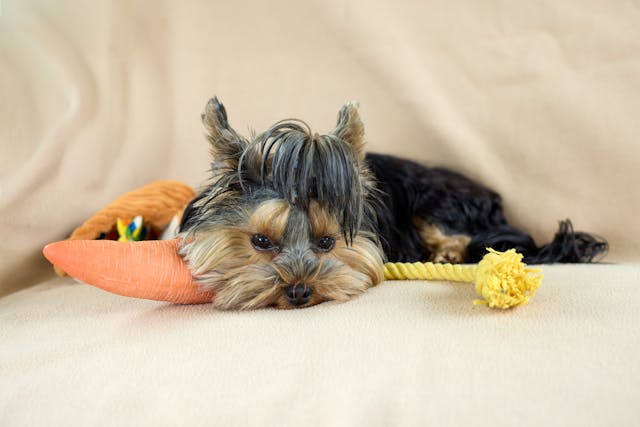
Just like children, puppies need a healthy balance of movement, learning, exploration, and rest. Too little activity can lead to boredom and destructive habits, while too much intense exercise may put unnecessary stress on growing bones and joints. Veterinary experts agree that age-appropriate exercise plays a major role in healthy puppy development.
Why Exercise Matters for Puppies
When puppies move, run, explore, and play, they are developing much more than physical strength.
Regular activity helps with:
- Healthy weight management
- Muscle and bone development
- Better coordination and balance
- Mental stimulation
- Socialization skills
- Reduced anxiety and boredom
- Stronger bonding with owners
Dogs that receive regular physical and mental enrichment are often calmer, happier, and easier to train. Exercise also helps prevent unwanted behaviors such as excessive chewing, barking, or digging.
How Much Exercise Does a Puppy Need?
There is no universal rule that fits every breed and puppy. Factors such as age, size, energy level, and health all matter.
Many veterinarians use a general guideline of approximately 5 minutes of structured exercise per month of age, up to twice daily. For example:
- 2 months old = 10 minutes
- 3 months old = 15 minutes
- 4 months old = 20 minutes
However, many experts also point out that puppies naturally alternate between play and rest and should be allowed to move freely at their own pace. The goal is not strict timing but balanced activity with plenty of recovery time.
During hot weather, it´s important to adjust exercise routines to keep your puppy safe.
Best Types of Exercise for Puppies
Short Walks
Walks help puppies explore new environments, smells, sounds, and experiences.
Keep walks short and relaxed. Allow plenty of sniffing because it provides mental stimulation and confidence-building opportunities.
Interactive Play
Games are one of the easiest ways to keep your puppy active.
Popular options include:
- Gentle fetch
- Tug games
- Hide-and-seek
- Find-the-treat games
- Chase toys
Interactive play strengthens your relationship while providing physical exercise.
Training Sessions
Many owners forget that training is exercise too.
Teaching commands such as:
- Sit
- Stay
- Come
- Leave it
- Down
helps puppies use mental energy, which can be just as tiring as physical activity.
Supervised play with friendly vaccinated puppies helps develop social skills and confidence. Positive early experiences often lead to better behavior around dogs later in life.
Activities to Avoid
Puppies have developing bones and growth plates that are vulnerable to injury.
Veterinary specialists commonly recommend avoiding:
- Long-distance running
- Jogging with your puppy
- Cycling alongside your dog
- Excessive ball launching
- High jumps
- Repetitive Frisbee games
- Frequent stair climbing
High-impact repetitive activities may increase stress on growing joints and contribute to orthopedic problems later in life.
Mental Exercise Is Just as Important
Physical exercise alone is not enough.
Many high-energy puppies actually benefit more from mental challenges.
Try:
- Puzzle feeders
- Snuffle mats
- Food-dispensing toys
- Basic obedience training
- Scent games
- Interactive enrichment toys
Mental stimulation can reduce boredom and help prevent destructive behavior inside the house.
Signs Your Puppy Needs More Activity
Your puppy may need additional enrichment if you notice:
- Constant chewing
- Excessive barking
- Hyperactivity
- Difficulty settling down
- Digging
- Attention-seeking behavior
Adding structured play sessions and short training exercises often helps redirect this energy positively.
Signs of Over-Exercising
More exercise is not always better.
Watch for:
- Limping
- Stiffness
- Excessive panting
- Reluctance to walk
- Extreme tiredness
- Soreness the next day
If you notice these symptoms, reduce activity and consult your veterinarian if problems continue.
Recommended Puppy Exercise Essentials
A few useful products can make daily activity safer and more enjoyable:
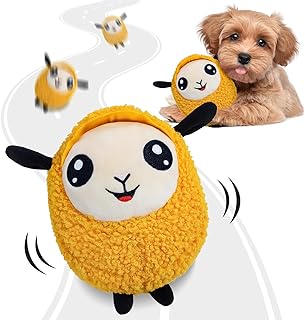
Interactive Toys
Puzzle toys keep your puppy mentally engaged and help prevent boredom when you're busy.
Huimpet Store

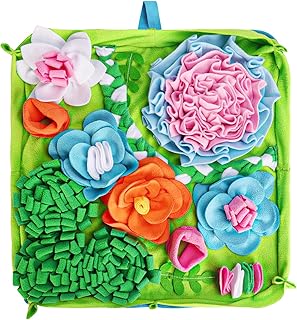
Snuffle Mats
These encourage natural foraging behavior and provide excellent mental stimulation.
Oxsnuvvlg Store
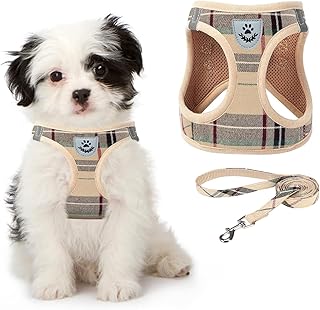
Comfortable Harnesses
A properly fitted harness helps reduce strain on a puppy's neck during walks
KOOLTAIL Store
Building a Healthy Routine
The best puppy exercise plan is simple:
- Short daily walks
- Interactive play sessions
- Basic training practice
- Mental enrichment activities
- Plenty of sleep and recovery
Remember that puppies need a lot of rest. Most puppies sleep between 16 and 20 hours per day while growing. Recovery is just as important as exercise itself.
Frequently Asked Questions (FAQ)
Can I walk my puppy every day?
Yes. Daily walks are beneficial when they are short, age-appropriate, and not overly strenuous.
When can my puppy start running with me?
Most veterinarians recommend waiting until your puppy's growth plates have fully closed, which varies by breed and size. Large breeds generally mature later.
Are puzzle toys considered exercise?
Absolutely. Mental exercise is extremely important and can help tire out energetic puppies just as effectively as physical activity.
Is fetch safe for puppies?
Gentle fetch can be fine, but repetitive high-speed ball chasing and jumping should be limited while your puppy is still growing.
How do I know if my puppy is tired?
Watch for slowing down, sitting during walks, lying down, excessive panting, or reduced interest in play. Puppies should always be allowed to rest when needed.
Exercise is one of the most important investments you can make in your puppy's future health. The right balance of movement, training, exploration, and rest helps build strong muscles, healthy joints, and a confident personality.
Focus on age-appropriate activities, avoid excessive high-impact exercise, and make playtime part of your daily routine. Your puppy won't just become physically healthier—they'll also become a happier companion for years to come.
Affiliate Disclosure: This article may contain affiliate links. If you purchase through these links, we may earn a small commission at no additional cost to you.