
It’s 2:17 a.m.
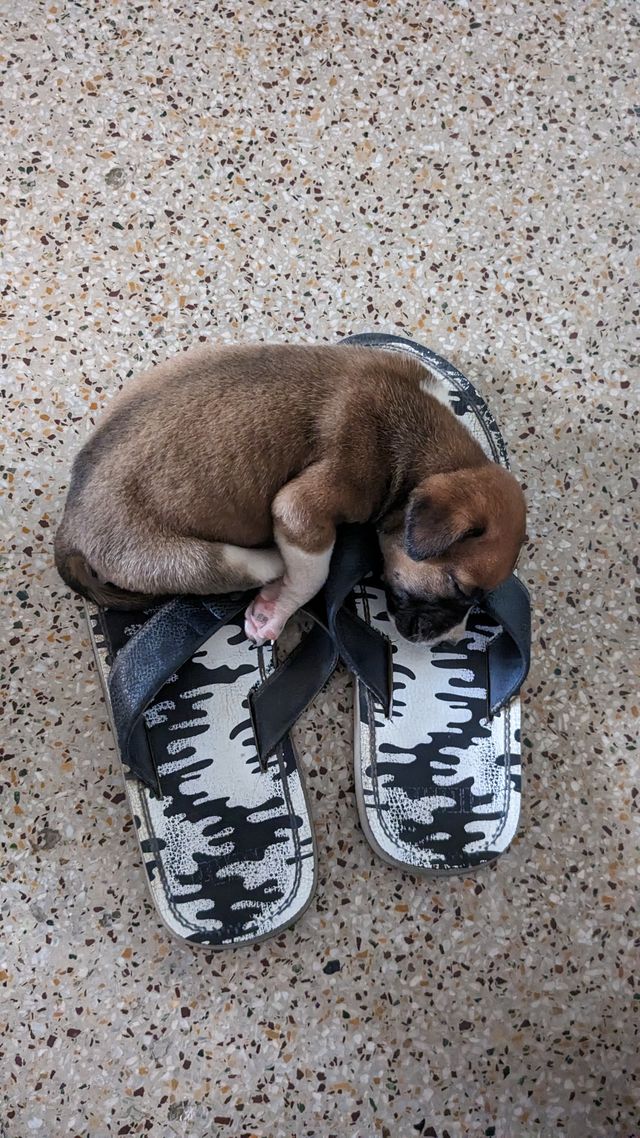
You hear a tiny whimper from across the room. Your puppy is awake again.
You stumble out of bed, take them outside, wait in the dark, and wonder the question almost every new puppy owner eventually asks:
“When will we both sleep through the night?”
The good news? These broken nights usually don’t last forever. But puppies aren’t tiny adult dogs, and expecting a full night’s sleep too soon can make those first weeks harder for everyone.

Why Does Your Puppy Keep Waking Up?
Young puppies have small bladders and limited bladder control. Even if your puppy falls asleep easily, they may genuinely need a bathroom break during the night.
There’s also another reason.
Imagine sleeping somewhere completely unfamiliar after leaving your mother and littermates. New smells. New sounds. New people. Suddenly, nighttime can feel very quiet.
That little cry from the crate isn’t necessarily your puppy being difficult. Sometimes they simply need time to feel safe in their new home.
If those first nights are proving difficult, establishing a calm routine can help. Our guide to the first week of puppy training explains how those early habits can shape life together later.
So, When Will Your Puppy Sleep All Night?
There isn’t one magical age.
Many puppies gradually become capable of sleeping for longer stretches as they grow and develop better bladder control. Some settle quickly, while others continue needing a nighttime potty break for longer.
Their age, size, routine, activity during the day, and individual development can all make a difference.
Instead of watching the calendar, watch your puppy.
If they’re consistently sleeping longer without accidents, that’s progress — even if you’re not quite getting eight uninterrupted hours yet.
Make Bedtime Boring — in a Good Way
Puppies love excitement. Bedtime shouldn’t provide much of it.
A gentle evening routine can help your puppy understand that the day is ending. Give them a chance to settle down, take them outside for a final potty break, and keep the house calm.
If they wake during the night because they need to go, keep the trip outside quiet and simple.
No 3 a.m. games. No exciting tour of the garden. No midnight party because your puppy found a leaf. 😄
Potty, praise, back to bed.
And if you’re still working on daytime toilet habits too, learning how long a puppy can comfortably be left alone can help you build a more realistic daily routine.
Should Your Puppy Sleep in Your Bedroom?
For a new puppy, sleeping near you can make the transition easier.
That doesn’t necessarily mean sharing your bed. A crate or puppy bed near your bed allows your puppy to hear and smell you while learning to sleep in their own space.
It also means you’re more likely to hear when they genuinely need to go outside — before a tiny whimper becomes a very wet surprise.

Make Bedtime More Comfortable
Those first nights are easier when your puppy has a cozy place that feels safe and familiar. A comfortable puppy bed with a soft, washable blanket can help create a calming bedtime routine — and washable materials are a lifesaver when nighttime accidents happen.
What If Your Puppy Suddenly Starts Waking Again?
One peaceful week doesn’t guarantee every night will be perfect.
Changes in routine, excitement, stress, teething, needing the toilet, or simply having an unsettled night can interrupt sleep.
But if a puppy who normally sleeps comfortably suddenly becomes unusually restless, repeatedly needs to urinate, cries as if in pain, has diarrhea or vomiting, or shows other changes in behavior, don’t assume it’s just a sleep problem. Contact your veterinarian.
Final Thoughts
One day, without really noticing when it happened, you’ll wake up and realize something strange.
The alarm woke you.
Not the puppy.
Those exhausting nighttime trips outside will have quietly disappeared, replaced by a sleepy dog who looks mildly offended that you’re getting out of bed at all.
Until then, keep the routine simple, give your puppy time to grow, and remember that every peaceful hour they add to the night is progress.
Sleep will come.
For both of you. 🐾
FAQ
At what age can a puppy sleep through the night?
There’s no exact age for every puppy. Their ability to sleep longer generally improves as they mature and gain better bladder control.
Should I wake my puppy up to pee at night?
Very young puppies may need planned nighttime potty breaks. As your puppy consistently stays dry for longer, those breaks can gradually become less necessary.
Should I ignore my puppy crying at night?
Not automatically. A young puppy may need the toilet or may still be adjusting to a new home. First consider what your puppy actually needs rather than assuming the crying is attention-seeking.
Can my puppy sleep in my bed?
Some owners choose to allow it, but establishing a safe sleeping space of their own can make routines and toilet training easier, especially during the first weeks.
Why is my puppy awake at night and sleeping during the day?
Puppies sleep a lot, and a new routine takes time to develop. Consistent daytime activity, naps, meals and a calm bedtime routine can gradually help establish a more predictable sleep pattern.