
If your dog follows you from room to room, cries when you grab your keys, or destroys the couch the second you leave the house — you’re not alone. Separation anxiety is one of the most common behavioral problems dog owners deal with, especially after changes in routine, moving home, or spending more time together than usual.
The good news? Most dogs can improve with patience, routine, and the right training approach.
See useful tips and advice in the video:
What Causes Separation Anxiety In Dogs?
Dogs are social animals. Some breeds are naturally more attached to their owners, while rescue dogs or dogs that experienced sudden life changes can become especially anxious.
Common triggers include:
- Moving to a new home
- Changes in work schedules
- A new baby or pet
- Adoption from shelters
- Spending too much time together without independent training
- Lack of mental stimulation
Dogs with separation anxiety often panic within minutes after you leave. Symptoms may include barking, pacing, chewing furniture, scratching doors, accidents indoors, or refusing to eat.
The Biggest Mistake Dog Owners Make
One of the biggest mistakes is making departures emotional.
Many owners unknowingly create stress by repeating things like:
“I’ll be back soon!”
“Be a good boy!”
“Don’t miss me!”
Your dog doesn’t understand the words — but they absolutely understand your emotional energy.

Instead, keep arrivals and departures calm and casual.
Start Teaching Independence Early
Even puppies should learn that being alone is normal.
Try this simple exercise:
- Leave the room for 30 seconds
- Return calmly
- Repeat several times daily
- Slowly increase the time
The goal is to teach your dog:
“My human always comes back.”
Short practice sessions work far better than suddenly leaving your dog alone for hours.
Create A Predictable Routine
Dogs thrive on routine.
Feeding, walks, playtime, and rest should happen around the same times daily whenever possible. Predictability helps anxious dogs feel safer.
Before leaving the house:
- Take your dog for a walk
- Allow sniffing and mental stimulation
- Avoid high excitement
- Give them a calming activity afterward
A tired dog is usually a calmer dog.
You might also like our article on rasing a puppy:
👉 Is Your Dog Well Behaved ? Here´s How ti Tell.
Use Mental Stimulation Before You Leave
Mental exercise can reduce stress dramatically.
Good options include:
- Snuffle mats
- Frozen treats
- Puzzle feeders
- Long-lasting chews
- Lick mats
These activities help redirect anxious energy into something positive.
Desensitize Departure Triggers
Dogs quickly learn “warning signs” that you’re leaving:
- Picking up keys
- Putting on shoes
- Grabbing a bag
Eventually, those small actions alone can trigger panic.
Behavior experts recommend practicing these actions without actually leaving.
For example:
- Put on your shoes and sit back down
- Grab your keys while watching TV
- Open the door and close it again
This teaches your dog those cues don’t always mean abandonment.
Should You Ignore Crying?
This depends on the situation.
If your dog is mildly whining for attention, calmly ignoring the behavior may help.
But severe separation anxiety is genuine panic — not manipulation. Punishing or yelling at your dog can actually make the anxiety worse.
Never punish:
- Barking from fear
- Accidents caused by stress
- Destructive behavior linked to anxiety
Your dog is struggling emotionally, not being “bad.”
According to the RSPCA, punishment may increase stress and fear in dogs with separation anxiety.
Create A Safe Calm Space
Some dogs relax better with:
- A covered crate
- Soft blankets
- White noise
- Calming music
- A favorite toy carrying your scent
But crates are not right for every anxious dog. Dogs unfamiliar with crate training may become more distressed if suddenly confined.
Watch your dog’s reactions carefully.
Here are some products many dog owners find helpful:
Calming Toys & Mental Enrichment
Classic dog toy
KONG Store

Keep your dog happy and active with this durable natural ruber toy designed for chewing, fetching, and treat – filled fun.

Calming Support Products
Soothing, drug – free wrap
ThunderSHIRT Store
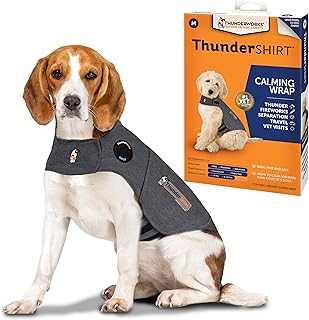
Help your dog feel calm and secure during storms, fireworks, travel, and stressful situations with this comfortable anxiety relief vest.
White noise machines
Homedics Store

Experience deep relaxation with soothing white noise and natural sounds anytime, anywhere.
When To See A Vet Or Trainer
Some dogs experience severe anxiety that requires professional help.
Contact a vet or certified dog behaviorist if your dog:
- Injures themselves trying to escape
- Stops eating when alone
- Has nonstop panic barking
- Destroys doors or windows
- Cannot relax even after training
In some cases, anxiety medication combined with behavioral training may help.
Real Talk: Progress Takes Time
There’s no instant fix for separation anxiety.
Some dogs improve within weeks.
Others may need several months of consistent training.
The key is patience and consistency.
Small improvements matter:
- Less barking
- Staying calm longer
- Reduced pacing
- Better confidence
Celebrate those wins.
FAQ About Dog Separation Anxiety
Can puppies get separation anxiety?
Yes. Puppies can become overly dependent if they never learn independence early.
Will my dog grow out of separation anxiety?
Sometimes mild cases improve naturally, but most dogs benefit from training and routine.
Should I get another dog?
A second dog does not automatically solve separation anxiety. The anxious dog is usually attached to the owner, not lonely for another pet.
Does crate training help?
For some dogs yes, for others no. Proper crate training must be gradual and positive.
Can exercise help separation anxiety?
Absolutely. Physical and mental stimulation before leaving can reduce stress significantly.
Helping your dog overcome separation anxiety isn’t about “tough love.” It’s about building confidence.
With calm routines, gradual alone-time training, mental stimulation, and patience, most dogs can learn that staying home alone is safe.
And remember — your dog doesn’t need perfection from you.
They just need consistency, trust, and time.
For more dog behavior guides, visit:
PuppiesDog.com
This article may contain affiliate links. If you purchase through these links, we may earn a small commission at no extra cost to you.