
The first morning with a new puppy is an exciting moment, but it can also be a little overwhelming—for both of you. Your puppy is entering a completely new environment, surrounded by unfamiliar sights, sounds, and smells.
A calm and predictable morning routine can help your puppy feel safe, settle into their new home, and begin building good habits from the very first day.
🎥 Watch This Cute Morning Routine:
Here’s what to do step by step.
🐶 1. Give Your Puppy Time to Explore
When your puppy wakes up, resist the temptation to do too much at once.
Let your puppy come out calmly and explore their surroundings at their own pace. Give them time to sniff, look around, and become familiar with their new space.
Try to keep the environment quiet and avoid overwhelming your puppy with too many people, sounds, or activities.
The goal is simple: help your puppy feel safe and comfortable in their new home.
🐶 2. Start Potty Training Right Away
Young puppies need frequent bathroom breaks, especially after waking up, eating, drinking, and playing.
For more guidance, see our complete guide to puppy potty training
Take your puppy to their designated potty area as soon as they wake up. If you are using puppy pads, place them in a consistent location and gently guide your puppy there.
When your puppy uses the correct spot, praise them calmly and offer a small reward.
Accidents are completely normal during the first few days. Avoid punishment—instead, focus on consistency and positive reinforcement.
Every successful potty trip is a small step toward good habits.
🐶 3. Offer Fresh Water and Puppy Food
Once your puppy has had a chance to settle down, provide access to fresh, clean water.
For food, it is usually best to continue with the same puppy food your puppy was eating before coming home. Sudden changes in diet can sometimes cause stomach upset.
Offer an appropriate portion for your puppy’s age, size, and feeding schedule. If you are unsure how much your puppy should eat, follow the feeding guidance from your veterinarian or the food manufacturer.The American Veterinary Medical Association also provides general guidance for new puppy owners.
Keeping meals consistent can make the transition to a new home easier.
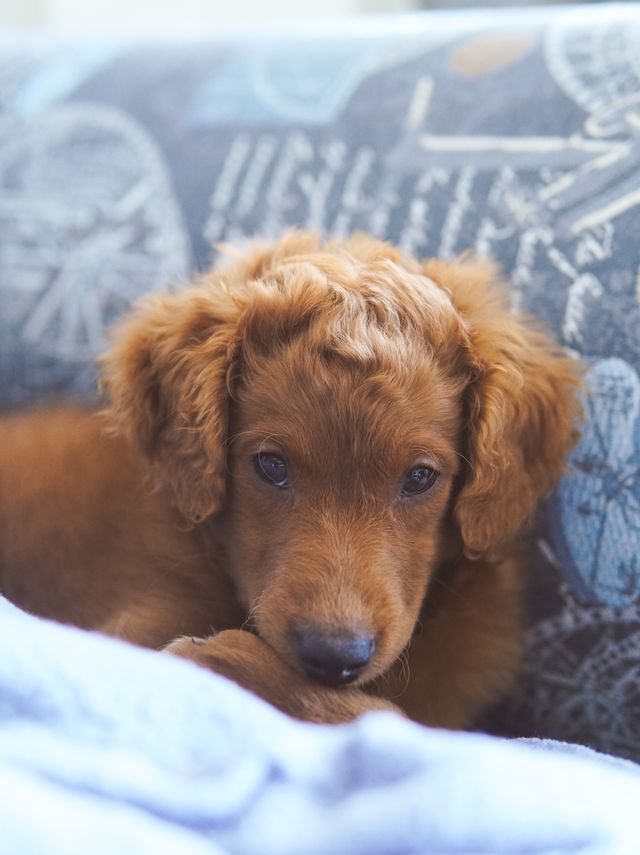
🐶 4. Introduce Toys and Gentle Play
After your puppy has had time to settle, introduce a few safe toys and enjoy a short play session.
Choose toys that are appropriate for puppies and supervise play, especially when your puppy is still learning what is safe to chew.
Keep the first play sessions short and gentle. Your puppy may become tired quickly because everything around them is new.
Playtime is not only fun—it can also help your puppy build confidence and begin developing a positive bond with you.
🐶 5. Create a Safe Play Area
A puppy-safe playpen or designated area can give your puppy a comfortable place to relax while also helping you manage their environment.
Make sure the area is secure and free from hazards such as electrical cords, small objects, toxic plants, or anything your puppy could chew or swallow.
You can include a comfortable resting area, safe toys, water, and an appropriate potty area if needed.
Having a defined space gives your puppy somewhere familiar to return to when they need a break.
A calm environment can make the first few days much easier for both of you.
🐶 6. Offer a Lick Mat or Safe Enrichment Activity
A lick mat or another puppy-safe enrichment toy can be a useful way to keep your puppy occupied while encouraging calm behavior.
You can use an appropriate soft food or puppy-safe treat spread, following portion recommendations and avoiding ingredients that are unsafe for dogs.
Enrichment activities can provide mental stimulation and encourage your puppy to spend time relaxing independently.
Just remember to supervise your puppy whenever they are using a new toy or enrichment product.
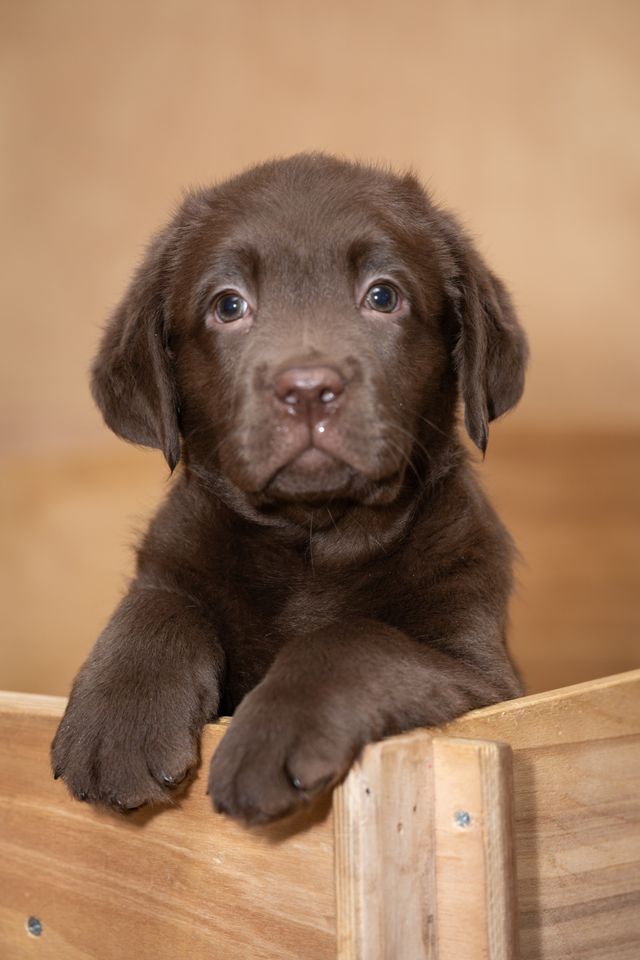
🐶 7. Give Your Puppy Plenty of Time to Sleep
One of the most important things to remember on the first morning is that puppies need a lot of sleep.
If you are preparing for your puppy’s first nights at home, our guide on helping a puppy sleep through the night covers the basics of establishing a good sleep routine.
After exploring, eating, playing, and using the potty, your puppy may be ready for another nap. Allow them to rest in a quiet, comfortable, and safe place.
It can be tempting to keep playing because your new puppy is so exciting, but too much stimulation can leave a young puppy overtired and unsettled.
A simple rhythm of potty → food → gentle play → rest can be a great starting point for your first days together.
🐕 Conclusion
Your puppy’s first morning does not need to be complicated.
Focus on the basics: provide a safe environment, offer food and water, start consistent potty habits, allow gentle exploration and play, and give your puppy plenty of time to rest.
Most importantly, be patient. Your puppy is learning about an entirely new world, and building trust takes time.
With calm energy and a predictable routine, you can help your puppy feel secure and begin their new life with confidence.
Frequently Asked Questions
Should I wake my puppy up in the morning to go potty?
If your puppy is already awake, take them to their potty area straight away. Very young puppies have small bladders and often need to go soon after waking. If your puppy is sleeping comfortably, there is usually no need to wake them just to use the bathroom.
What should I do if my puppy starts crying after waking up?
First, check whether your puppy needs to go potty, is hungry, thirsty, or is simply looking for reassurance. Keep your response calm. A new puppy may cry because everything around them is unfamiliar. Comfort them without turning the morning into a long, exciting play session.
Should I play with my puppy before or after breakfast?
A short potty break should come first. You can then offer breakfast and water, followed by another potty break. Keep playtime gentle, especially during the first few days when your puppy is adjusting to their new environment.
How soon after eating should a puppy go potty?
Many puppies need to eliminate relatively soon after eating. Take your puppy to their designated potty area after breakfast and stay with them until they have a chance to go. This is also a useful opportunity to reinforce their potty-training routine.
What if my puppy does not pee or poop when I take them outside?
Give them a few quiet minutes without turning the potty break into playtime. If nothing happens, return indoors and supervise your puppy closely. Try again a little later, particularly if they start sniffing, circling, or looking for a place to eliminate.
Should I use puppy pads or take my puppy outside?
That depends on your circumstances and your long-term potty-training plan. If your goal is outdoor potty training, taking your puppy to the same outdoor area consistently can make the process clearer. Puppy pads can be useful in some situations, particularly for very young puppies or owners who cannot provide frequent outdoor trips.
Can I give my new puppy treats on the first morning?
Yes, but treats should be small and appropriate for puppies. They can be particularly useful for rewarding potty training, calm behavior, and positive interactions. Keep treats limited so they do not replace a balanced puppy diet.
How much attention should I give my puppy on the first morning?
Give your puppy attention, but allow them to have quiet time too. Constant handling, visitors, photographs, and play can be overwhelming. Let your puppy choose when to approach you and provide a safe place where they can rest undisturbed.
Should I introduce my puppy to the whole family immediately?
It is better to keep the first morning calm. If several people live in the home, let everyone interact with the puppy gradually rather than having everyone crowd around them at once. This gives your puppy time to become comfortable with new voices, smells, and handling.
When should my puppy take their first nap?
Whenever they become tired. Puppies sleep a great deal, and a new environment can be exhausting. If your puppy becomes less interested in playing, starts yawning, settles down, or becomes unusually fussy, it may be time for a nap.
What should I do if my puppy bites during morning play?
Redirect the puppy toward an appropriate toy and stop the interaction briefly if the biting becomes too intense. Puppy mouthing is normal, but this is a good time to begin teaching gentle play and appropriate things to chew.
What should I avoid doing on my puppy’s first morning?
Avoid overwhelming your puppy with too much activity, too many visitors, long play sessions, or unnecessary handling. Do not punish accidents or force your puppy into interactions they are uncomfortable with.
The first morning is mainly about safety, routine, rest, and building trust. Your puppy does not need to learn everything on day one.