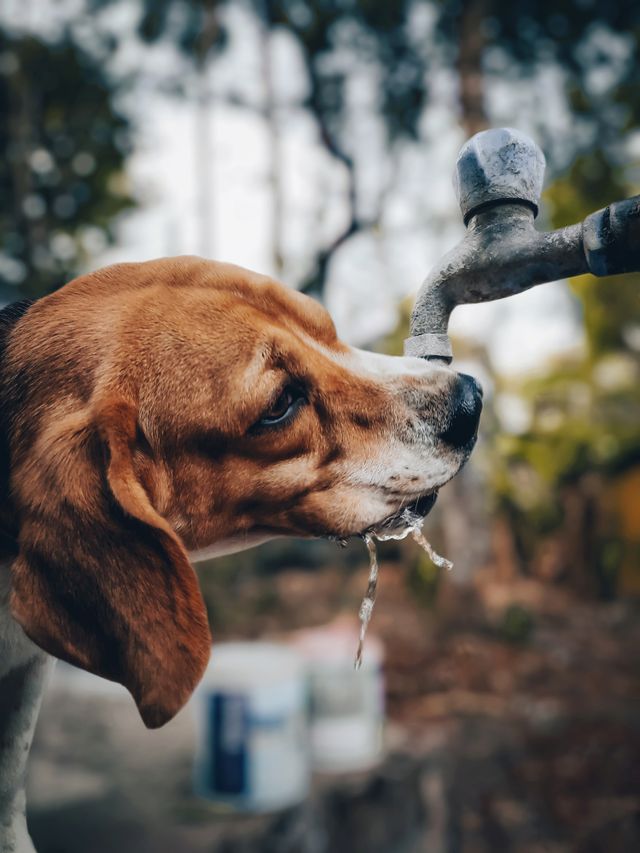
Water is essential for every dog. It helps regulate body temperature, supports digestion, keeps joints functioning properly, and allows the body to work normally.
Most healthy dogs drink enough water on their own. However, dehydration can happen, especially during hot weather, after exercise, or when a dog is sick.
Knowing how to tell if your dog is dehydrated can help you recognize a potential problem early and decide when your dog needs veterinary attention.
What Is Dehydration in Dogs?
Dehydration occurs when a dog loses more fluids than they replace by drinking.
A dog can lose water through normal activities such as urination and panting. Fluid loss can increase significantly with vomiting, diarrhea, fever, heavy panting, overheating, or strenuous exercise.
Mild dehydration may not always be obvious at first. As dehydration becomes more severe, however, a dog can develop noticeable changes in behavior and physical appearance.
Common Signs of Dehydration in Dogs
Some of the most common signs include:
- Dry or sticky gums
- Excessive panting
- Loss of energy
- Weakness
- Reduced appetite
- Sunken-looking eyes
- Thick or sticky saliva
- Reduced urination
- Darker-than-usual urine
- Dry nose or mouth
- Loss of skin elasticity
Not every dehydrated dog will show all of these signs. The severity and combination of symptoms can vary depending on the cause and how much fluid the dog has lost.
If your dog is suddenly drinking much more water than usual, this can sometimes indicate an underlying health issue, so it's worth learning about the possible causes of excessive thirst in dogs.
1. Check Your Dog's Gums
One of the easiest things you can check at home is your dog's gums.
Normally, a dog's gums should feel moist rather than dry or sticky. Gently lift your dog's lip and look at the gums.
If they appear unusually dry or feel sticky, dehydration may be a possibility.
Pale, white, gray, blue, or otherwise abnormal gums can indicate a more serious problem and should be evaluated by a veterinarian promptly.
2. Look for Excessive Panting
Panting is normal for dogs, particularly after exercise or in warm weather. Dogs use panting to help regulate their body temperature.
However, excessive panting, especially when your dog has not been exercising or is in a cool environment, can be a warning sign.
Heavy panting can also contribute to fluid loss, creating a cycle in which a dog becomes increasingly dehydrated.
3. Check Your Dog's Energy Level
A dehydrated dog may become less active than usual.
You might notice that your dog:
- Doesn't want to play
- Moves more slowly
- Sleeps more than usual
- Seems weak
- Is reluctant to go for a walk
Sudden lethargy should not automatically be blamed on dehydration. It can have many possible causes, so other symptoms are important.
4. Pay Attention to Urination
Changes in urination can provide another clue.
A dehydrated dog may urinate less frequently, and the urine may appear darker or more concentrated.
However, changes in urination can also be caused by kidney problems, urinary tract issues, medications, and other medical conditions.
If your dog's urination changes suddenly or significantly, contact your veterinarian for advice.
The Skin Tent Test: Does It Work?
You may have heard about the skin tent test as a way to check whether a dog is dehydrated.
The test involves gently lifting a small fold of skin over the shoulders and then releasing it. In a well-hydrated dog, the skin should generally return to its normal position quickly.
If the skin stays lifted for longer than expected, dehydration may be possible.
However, this test is not a reliable way to diagnose dehydration by itself.
A dog's skin elasticity can vary with age, body condition, and other factors. Older dogs, overweight dogs, and dogs with certain health problems may have less elastic skin even when they are adequately hydrated.
For that reason, consider the skin tent test only as one possible clue rather than a definitive test.
How Much Water Should a Dog Drink?
A dog's water needs depend on several factors, including:
- Body size
- Age
- Activity level
- Diet
- Weather
- Overall health
- Pregnancy or nursing
Dogs eating wet food may drink less from their water bowl because they receive some water from their food.
Dogs eating primarily dry food generally need to obtain more of their daily water intake from drinking.
Rather than focusing only on an exact daily amount, pay attention to your dog's normal drinking habits. A sudden increase or decrease in water consumption can be worth discussing with your veterinarian.
What Causes Dehydration in Dogs?
Dehydration can have many causes.
Hot Weather
Dogs can become dehydrated more quickly in hot or humid conditions. Panting increases as a dog tries to cool down, which can increase fluid loss.
Never leave a dog in a parked car, even for a short period.
Exercise
Long walks, running, hiking, and other strenuous activities increase a dog's fluid requirements.
Make sure your dog has access to fresh water during and after extended activity.
Vomiting and Diarrhea
Vomiting and diarrhea can cause substantial fluid loss.
A dog with repeated vomiting or severe diarrhea can become dehydrated quickly, particularly if they are unable to keep water down.
Fever or Illness
Various illnesses can reduce a dog's appetite and water intake while increasing fluid loss.
If your dog is sick and isn't drinking normally, dehydration can become an additional concern.
Not Drinking Enough
Some dogs may drink less than usual because of stress, illness, pain, changes in their environment, or simply because fresh water is not readily available.
Always provide your dog with clean, fresh drinking water.
What Should You Do If Your Dog Is Dehydrated?
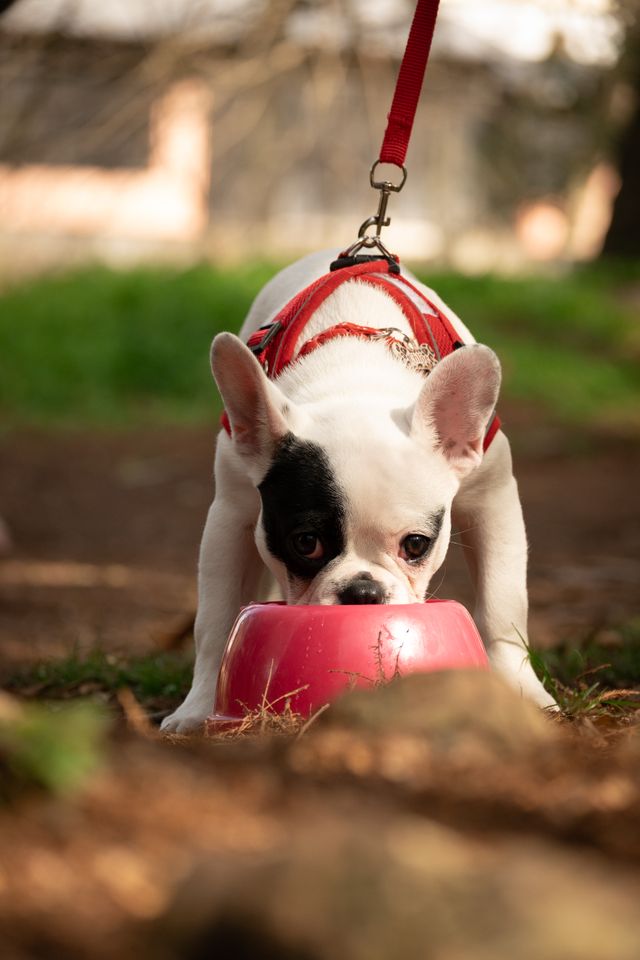
If you suspect mild dehydration, make sure your dog has access to fresh, clean water and allow them to drink.
Do not force large amounts of water into your dog's mouth. Drinking too much too quickly can cause problems, particularly in a dog that is already vomiting.
If your dog refuses water, continues losing fluids, or has other symptoms of illness, contact your veterinarian.
A veterinarian can determine the underlying cause and provide appropriate treatment. In more significant cases of dehydration, veterinary treatment may include fluids given under the skin or intravenously.
Maintaining a healthy body weight can also support your dog's overall health and mobility, so regular exercise and appropriate portions are important; you can learn more in our guide on how to prevent dog obesity.
When Is Dehydration an Emergency?
Contact a veterinarian promptly if your dog shows signs of dehydration together with symptoms such as:
- Repeated vomiting
- Severe or persistent diarrhea
- Extreme weakness
- Collapse
- Difficulty breathing
- Confusion or unusual behavior
- Inability to keep water down
- Very little or no urination
- Signs of overheating
- Abnormal gum color
Severe dehydration can become life-threatening, particularly when it is caused by heat exposure, significant fluid loss, or an underlying illness.
Puppies, senior dogs, and dogs with existing medical conditions may need particularly prompt attention when they become dehydrated.
How to Help Prevent Dehydration
The simplest way to help prevent dehydration is to make fresh water available to your dog at all times.
A few additional habits can help:
Keep Water Available
Place clean water bowls in convenient locations around your home. Wash the bowls regularly and replace the water frequently.
Bring Water on Walks
Take water with you during long walks, hikes, road trips, and outdoor activities, especially during warm weather.
Watch Your Dog in Hot Weather
Limit strenuous exercise during the hottest parts of the day and make sure your dog has access to shade and water.
Monitor Sick Dogs Closely
If your dog has vomiting, diarrhea, fever, or another illness, pay attention to how much they are drinking and urinating.
If you're concerned about fluid loss, speak with your veterinarian rather than relying solely on home dehydration tests.
Final Thoughts
Knowing how to tell if your dog is dehydrated can help you notice changes before they become more serious. Dry or sticky gums, excessive panting, unusual tiredness, reduced urination, and other changes can indicate that your dog may not be getting enough fluids.
Remember that dehydration is often a symptom rather than a disease itself. Finding out why your dog is losing fluids or not drinking normally is just as important as replacing those fluids.
When dehydration appears severe, develops quickly, or occurs alongside vomiting, diarrhea, overheating, collapse, or other concerning symptoms, contact your veterinarian promptly.
Frequently Asked Questions
How can I tell if my dog is dehydrated at home?
Look for several signs rather than relying on one test. Dry or sticky gums, excessive panting, low energy, reduced urination, and changes in skin elasticity can all be clues. A veterinarian is needed to confirm the severity and cause of dehydration.
Is a dry nose a sign of dehydration?
Not necessarily. A dog's nose can become dry for many harmless reasons, including sleeping, weather conditions, or being in a warm environment. A dry nose alone is not a reliable way to determine whether a dog is dehydrated.
Should I give my dehydrated dog water?
If your dog is alert and able to drink, provide access to fresh water and allow them to drink. Avoid forcing water into the mouth or allowing a severely thirsty dog to rapidly consume a very large amount. If your dog won't drink or is vomiting, contact a veterinarian.
Can puppies become dehydrated quickly?
Yes. Puppies are small and can lose a significant proportion of their body fluids when they are vomiting, have diarrhea, or are otherwise ill. A puppy showing signs of dehydration should be taken seriously.
How long can a dog go without water?
Dogs should have access to fresh water every day and should not intentionally be deprived of it. A dog that is refusing water, particularly while sick or exposed to heat, should be evaluated by a veterinarian.