
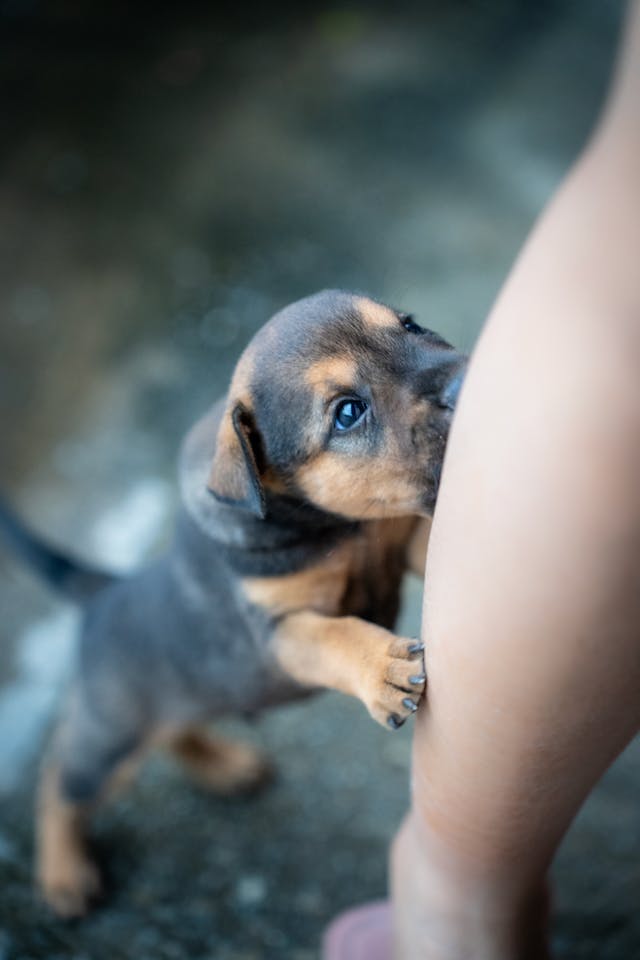
If your puppy is suddenly chewing furniture, biting your fingers, or turning your favorite shoes into a snack, don't panic — teething is completely normal.
Most puppies start teething around 3–4 months of age and continue until about 6 months. During this period, their gums can feel sore and itchy, which makes them look for anything they can chew. The good news? Safe treats and chew toys can provide relief while also helping develop healthy chewing habits.
In this guide, we'll look at the safest treats for teething puppies, what to avoid, and some simple tricks that have worked for many dog owners.
Why Puppies Need Special Teething Treats
A puppy's baby teeth are gradually replaced by adult teeth. During this stage, chewing helps relieve gum discomfort and reduces stress. According to experts from the American Kennel Club, providing appropriate chew items can prevent destructive chewing and help puppies learn what is acceptable to bite.
Not all treats are safe, though.
The wrong chew can lead to:
- Choking hazards
- Broken puppy teeth
- Digestive blockages
- Gum injuries
That's why choosing the right texture, size, and ingredients matters.
A healthy lifestyle includes both proper nutritrion and daily exercise.
Safe Treats for Teething Puppies
1. Frozen Carrots
Many puppy owners swear by frozen carrots.
Why they work:
- Naturally cold and soothing
- Low in calories
- Affordable
- Rich in vitamins
For small puppies, cut carrots into appropriate sizes to avoid choking.
2. Puppy Teething Rings
Teething rings made specifically for puppies are designed to be softer than adult dog chews.
Benefits include:
- Gentle pressure on sore gums
- Easy digestion
- Puppy-safe ingredients
Some varieties are enriched with calcium and vitamins for growing dogs.
3. Bully Sticks (With Supervision)
Bully sticks are popular because they are highly digestible and satisfy a puppy's urge to chew. Veterinary experts generally consider them safer than many traditional rawhide products when properly sized and supervised.
Safety tip: Remove the last small piece before your puppy can swallow it whole.
4. Frozen Stuffed KONG Toys
A frozen KONG can be a lifesaver during peak teething weeks.
Try filling it with:
- Puppy-safe wet food
- Plain pumpkin puree
- Mashed banana
- Soaked kibble
Freeze overnight for a longer-lasting soothing chew experience. AKC experts recommend frozen chew options to help reduce teething discomfort.
Recommended products:
🦴 KONG Puppy Toy
One of the most recommended puppy toys because it can be stuffed, frozen, and reused for months.
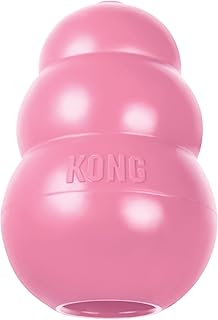
Why we like it:
- Designed specifically for puppy teeth
- Durable but not overly hard
- Great for mental stimulation

🦴 Nylabone Puppy Chews
Nylabone puppy products are designed to satisfy chewing instincts while helping puppies redirect biting behavior.
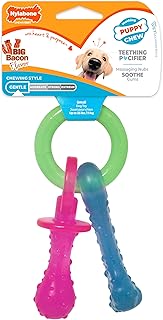
Best for:
- Moderate chewers
- Puppies under 6 months
- Early teething stages
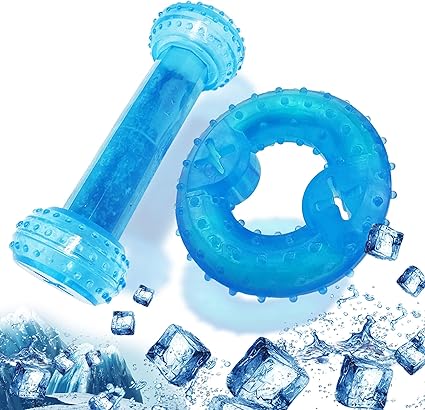
🦴 Puppy Cooling Teething Toys
Freezable teething toys provide cold relief directly to sore gums and can be especially useful during heavy teething phases.
Treats and Chews to Avoid
Not every popular chew is safe for young puppies.
Avoid:
❌ Cooked bones
❌ Antlers
❌ Very hard nylon products
❌ Large rawhide chews
❌ Toys with easily removable parts
❌ Anything smaller than your puppy's mouth
Veterinary dental experts warn that extremely hard chews can fracture developing teeth and damage gums.
A useful rule: if you can't slightly indent the chew with your fingernail, it may be too hard for a teething puppy.
Signs Your Puppy Needs More Teething Relief
You may notice:
- Increased chewing
- Excessive drooling
- Mild gum redness
- Nipping and biting
- Restlessness
- Chewing furniture or shoes
These behaviors are common during teething and usually improve once adult teeth fully emerge.
Training Tip: Redirect, Don't Punish
One mistake many new puppy owners make is scolding after the damage is already done.
Dogs don't connect punishment with something they chewed minutes earlier. Instead, redirect them toward an approved chew toy or treat when you catch them chewing something inappropriate. This helps build positive habits much faster.
FAQ
At what age do puppies start teething?
Most puppies begin teething between 3 and 4 months of age and finish around 6 months when their adult teeth come in.
Can puppies have bully sticks?
Yes, bully sticks can be a safe option when they are appropriately sized and your puppy is supervised during chewing.
Are frozen treats good for teething puppies?
Absolutely. Frozen carrots, frozen washcloths, and frozen stuffed toys can help soothe sore gums and reduce discomfort.
Is rawhide safe for teething puppies?
Many veterinarians recommend caution with rawhide because some products can create choking or digestive risks. Safer alternatives are often bully sticks, puppy teething rings, or rubber puppy toys.
What should I do if my puppy chews everything?
Provide several puppy-safe chew toys, supervise playtime, and consistently redirect chewing behavior toward approved items. Puppies naturally explore the world through chewing during teething.
Teething can be a challenging phase, but it doesn't last forever. Providing safe treats, frozen chews, and puppy-specific toys can make a huge difference for both you and your puppy.
The best options are usually those that are:
- Soft enough for growing teeth
- Large enough to prevent choking
- Made from puppy-safe ingredients
- Used under supervision
With the right teething treats, you'll protect your furniture, save your fingers, and help your puppy get through this important stage more comfortably.
(Affiliate disclosure: We may earn a commission from purchases.)
Want to learn more? Read our complete guide:
Best Puppy Treats – Complete Guide for Healthy Puppies