
The first few weeks of a puppy’s life are full of incredible changes. Between 2 and 4 weeks of age, puppies begin transitioning from completely dependent newborns into curious little explorers. Their eyes open, hearing develops, and their first interactions with littermates start shaping future behavior.
For new dog owners, breeders, and pet lovers, understanding puppy development from 2 to 4 weeks can help ensure healthy growth and proper care. In this guide, we'll explore the major milestones, feeding needs, behavior changes, and ways to support puppies during this important stage.

Puppy Development Timeline: 2 to 4 Weeks
The period between 2 and 4 weeks is often called the transitional stage. During this time, puppies experience rapid physical and neurological development.
At 2 Weeks Old
Around 10 to 14 days after birth, puppies begin opening their eyes.
Common developments include:
- Eyes gradually opening
- Increased body movement
- Beginning to lift their heads
- Improved sense of smell
- Starting to respond to light
Vision is still blurry at this stage, so puppies rely heavily on their mother and sense of smell.
At 3 Weeks Old
Three-week-old puppies become noticeably more active.
Typical milestones:
- First wobbly attempts at walking
- Hearing canals opening
- Responding to sounds
- Tail wagging begins
- Increased interaction with littermates
This is often the first time owners notice individual puppy personalities emerging.
At 4 Weeks Old
By four weeks, puppies become much more mobile and curious.
Changes include:
- Better balance and coordination
- Exploring outside the whelping area
- Beginning play behavior
- Stronger social interactions
- First interest in solid food
At this age, puppies start looking less like newborns and more like miniature dogs.
If you'd like to learn about the earliest stage of puppy growth, read our article “Newborn Puppies: Birth to 2 Weeks.”
Physical Development Between 2 and 4 Weeks
Eyes Opening
Most puppies open their eyes between 10 and 14 days old. Eye color is usually bluish-gray and may not reach its permanent shade until several months later.
Important note:
Never force a puppy's eyes open. If eyes remain closed after about 18 days, consult a veterinarian.
Hearing Development
Puppies are born deaf.
Between weeks 2 and 3:
- Ear canals open
- Puppies begin hearing voices and sounds
- Sudden noises may trigger reactions
This is a critical developmental milestone because hearing helps puppies learn communication skills.
Walking and Coordination
Walking starts with awkward crawling and wobbling.
During weeks 3 and 4:
- Muscles strengthen rapidly
- Puppies stand longer
- Coordination improves daily
- Short play sessions begin
Don't expect graceful movement yet—clumsy falls are completely normal.
Behavioral Changes During Weeks 2 to 4
Increased Awareness
Puppies become more aware of:
- Their surroundings
- Their mother
- Littermates
- Human presence
This awareness lays the foundation for future learning and socialization.
Early Play Behavior
Around 3 to 4 weeks, puppies begin:
- Pawing at siblings
- Gentle biting
- Chasing movements
- Tail wagging
These playful interactions teach valuable canine social skills.
First Vocal Communication
You may hear:
- Small barks
- Growls
- Whines
- Yips
These sounds are part of early communication development.

Feeding Puppies Between 2 and 4 Weeks
Mother's Milk Remains Essential
During this stage, puppies still depend primarily on their mother's milk.
Benefits include:
- Complete nutrition
- Immune system support
- Proper hydration
- Healthy growth
Mother's milk continues to be the best food source whenever available.
When Does Weaning Begin?
Most puppies start showing interest in solid food around 4 weeks old.
Signs include:
- Watching their mother eat
- Sniffing food bowls
- Licking soft puppy food
However, full weaning does not happen yet.
Introducing Puppy Food
Around week 4, breeders often introduce a puppy mush made from:
- High-quality puppy food
- Warm water
- Puppy milk replacer
The consistency should be soft and easy to lick.
Recommended Puppy Feeding Supplies
Having the right feeding equipment can make the weaning process easier.
Recommendation: Puppy Feeding Bowls
Look for:
- Shallow puppy bowls
- Non-slip bases
- Stainless steel materials
- Easy-to-clean surfaces
These products help puppies learn independent eating safely.
Sleep Requirements
Puppies between 2 and 4 weeks still sleep most of the day.
Average sleep:
- 18 to 20 hours daily
Sleep supports:
- Brain development
- Muscle growth
- Immune function
- Learning processes
Avoid disturbing sleeping puppies unnecessarily.
Socialization Begins Earlier Than Many People Think
Although formal socialization comes later, important foundations start now.
Positive experiences include:
- Gentle human handling
- Soft voices
- Safe environmental sounds
- Brief interactions with trusted people
These early experiences can influence future confidence.
Keeping the Whelping Area Safe
As mobility increases, safety becomes increasingly important.
Safety Tips
- Keep bedding clean and dry
- Remove choking hazards
- Maintain proper room temperature
- Provide enough space for movement
- Monitor interactions with other pets
A secure environment supports healthy development and reduces stress.
Common Health Concerns During This Stage
Monitor Weight Gain
Healthy puppies should gain weight consistently.
Contact a veterinarian if a puppy:
- Stops gaining weight
- Appears weak
- Refuses nursing
- Becomes lethargic
Watch for Eye Problems
Seek veterinary advice if you notice:
- Eye swelling
- Excessive discharge
- Eyes remaining closed beyond normal age
Early treatment can prevent complications.
How Owners Can Help Puppy Development
Simple daily actions make a big difference:
- Handle puppies gently
- Keep the environment clean
- Ensure adequate warmth
- Monitor nursing behavior
- Observe developmental milestones
Remember that puppies develop at slightly different rates. Minor variations are usually normal.
Product Ideas for Puppy Owners
Puppy Milk Replacer
PetAg Store
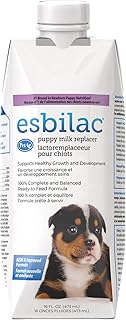
Useful when:
- Mother's milk supply is low
- Orphaned puppies need feeding
- Supplemental nutrition is required

Puppy Heating Pads
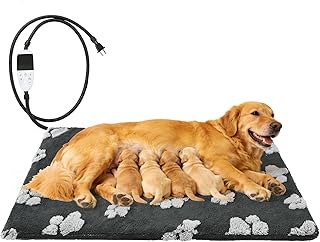
Young puppies struggle to regulate body temperature.
Look for:
- Pet-safe heating pads
- Temperature-controlled options
- Waterproof covers
Puppy Playpens
PETMAKER Store
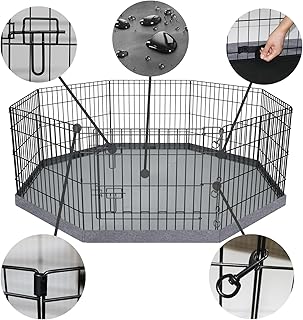
As puppies become more active around 4 weeks, a secure play area helps keep them safe while encouraging exploration.
FAQ: Puppy Development From 2 to 4 Weeks
When do puppies open their eyes?
Most puppies open their eyes between 10 and 14 days after birth.
Can 3-week-old puppies walk?
Yes. Most puppies begin walking around 3 weeks old, although movement is usually unsteady and wobbly.
When do puppies start hearing?
Puppies typically begin hearing between 2 and 3 weeks of age as their ear canals open.
Should 4-week-old puppies eat solid food?
They may start tasting soft puppy food, but mother's milk remains an important part of their diet.
How much do puppies sleep at 4 weeks old?
Most puppies still sleep approximately 18 to 20 hours per day.
Is it normal for puppies to bite each other at 4 weeks?
Yes. Gentle biting and play behavior are normal and help puppies learn important social skills.
When should puppies see a veterinarian?
Puppies should receive regular veterinary monitoring, especially if there are concerns about weight gain, nursing, or developmental progress.
The period from 2 to 4 weeks of age is one of the most exciting stages of puppy development. Puppies go from tiny newborns with closed eyes and limited mobility to playful, curious companions beginning to explore the world around them.
By providing proper nutrition, warmth, cleanliness, and gentle interaction, owners can support healthy growth and prepare puppies for the important socialization stages that lie ahead. Understanding these developmental milestones helps ensure puppies have the best possible start in life while strengthening the bond between dogs and the people who care for them.
To understand what comes next, continue reading our guide on Puppy Development: 4 to 8 Weeks.