
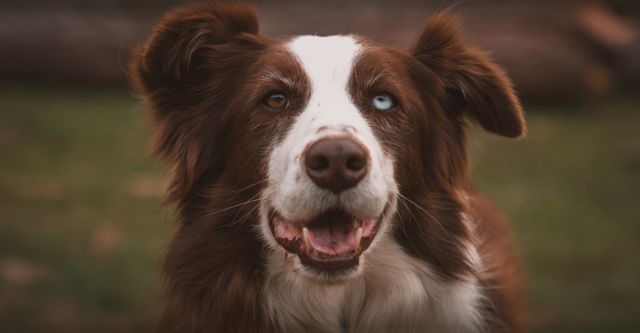
You step backward in the kitchen and hear a surprised yelp. Your dog was standing right behind you, and you accidentally caught their paw.
Immediately, you crouch down. “Oh no. I’m sorry!”
Your voice changes. Your face changes. You reach toward them more carefully than you did a second ago. Maybe your dog looks at you, gives your hand a quick sniff, and within moments is standing beside you again.
It certainly feels as though your apology was accepted.
But did your dog actually understand that you said sorry?
Probably not in the human sense of understanding an apology. Dogs are unlikely to grasp the abstract idea that you regret something you did. What they are remarkably good at, however, is noticing what happens immediately afterward — and that may matter more than the word itself.
Your Dog Is Listening to More Than “Sorry”
Dogs can learn the meaning of individual words through association, but human speech is only part of the information they receive.
Your dog is also watching your posture, facial expression, movements, and listening to the tone of your voice. VCA Animal Hospitals explains that dogs combine words, body language, and intonation when interpreting what humans are communicating.
Think again about accidentally stepping on a paw.
Before it happened, you were walking normally. A second later, you stop, turn toward your dog, soften your voice, lower your body, and perhaps offer gentle contact.
“Sorry” comes wrapped inside an entire package of changed behavior.
Your dog may not understand I regret hurting you, but they can notice that the tense or unpleasant moment has ended and your behavior toward them is friendly again.
That distinction is important.
A Familiar Word Can Become Part of the Pattern
Here is something less obvious: your dog may eventually recognize the word “sorry” — just not necessarily as an apology.
If you repeatedly use the same soft “I’m sorry” after accidentally bumping into your dog, moving them from your seat, startling them, or ending an uncomfortable interaction, the sound itself can become associated with what usually follows.
Dogs are excellent at learning patterns.
Perhaps “sorry” is regularly followed by relaxed body language, a gentle touch, or simply the removal of whatever made your dog uncomfortable. Over time, the word may become another predictable cue within that familiar sequence.
This is similar to the way dogs learn that “walk” predicts the leash or that the sound of a particular cupboard predicts dinner.
As we discuss in What Your Dog Notices About You Every Single Day, dogs constantly pick up small patterns in our voices, movements, and routines that we barely notice ourselves.
So your apology may have meaning to your dog — just not exactly the meaning it has to you.
Why Your Dog May Approach You After an Accident
Suppose you accidentally trip over your dog. They jump away, then return a few seconds later and lean against your leg.
It is tempting to interpret that as, “I forgive you.”
We cannot know that.
A simpler explanation is that the dog reassesses the situation and no longer sees a reason to keep their distance. Your posture has relaxed. You are no longer moving toward them unexpectedly. Your voice sounds familiar. The interaction feels safe again.
Some dogs will approach quickly. Others may stay several feet away and watch.
Neither reaction tells you how much your dog “loves” you.
Temperament, previous experiences, sensitivity to touch, and the intensity of the scare can all affect how quickly a dog resumes normal interaction.
One useful rule is simple: let the dog decide when to come closer.
Repeatedly hugging, grabbing, or leaning over a dog because you feel guilty can actually make the moment more uncomfortable.
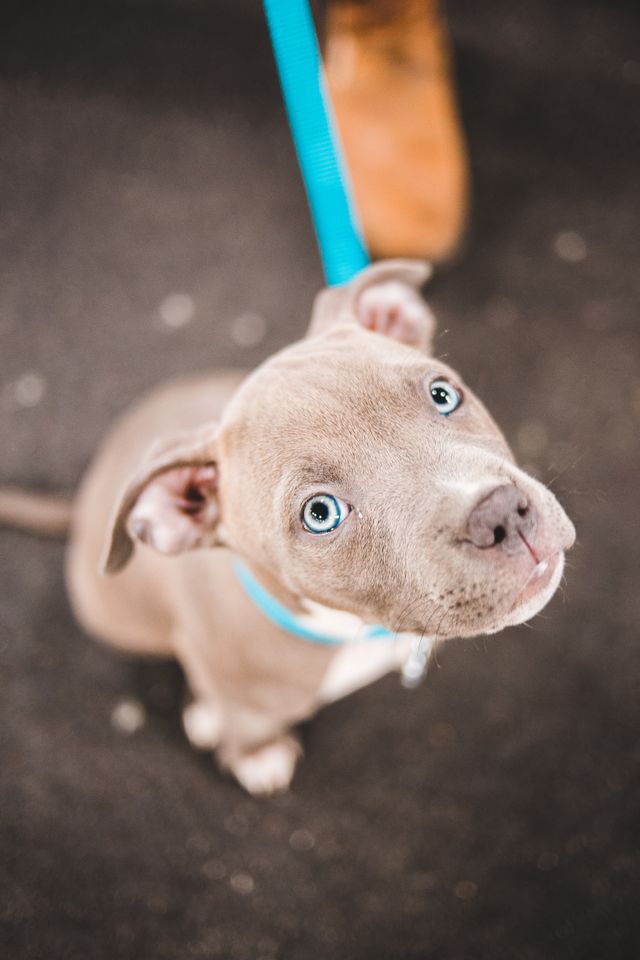
Your Dog’s “Guilty Look” Is a Useful Warning Here
Humans are very good at adding human stories to canine expressions.
A dog lowers their head after chewing a shoe, and we say they feel guilty. A dog approaches after we apologize, and we say they forgave us.
Both interpretations may go beyond what we can actually demonstrate.
The American Kennel Club’s discussion of guilt in dogs describes research showing that the familiar “guilty look” can appear in response to an owner’s behavior, including scolding, whether or not the dog actually committed the supposed offense.
That gives us an important clue about apologies too.
Dogs are extraordinarily responsive to what we are doing right now.
They do not need a human-style moral explanation of the previous event to recognize that your behavior has changed.
The Best Apology May Be What You Do Next
Sometimes saying sorry is mostly for us.
What helps the dog is making the next few seconds clear and safe.
If you startled your dog, stop the movement that frightened them. If you accidentally hurt them, give them room and check for signs of injury. If you lost your temper during training, lower the pressure rather than immediately demanding another repetition.
And if your dog moves away, respect that choice.
This matters particularly after tense interactions. A dog that turns their head away, backs up, freezes, lowers their body, or otherwise appears uncomfortable should not be forced into affection.
Dogs communicate through subtle changes in behavior, not just barking or wagging tails. That is also why understanding the quieter signals described in The Little Ways Dogs Say “I Love You” Every Day can tell you far more about your relationship than trying to translate every behavior into human emotions.
What Your Dog Really Needs After You Make a Mistake
You will accidentally step on paws.
You will occasionally startle a sleeping dog, close a door too quickly, become frustrated during training, or misread what your dog wants.
A good relationship with a dog does not depend on never making mistakes.
It depends much more on what repeatedly happens afterward.
If your dog learns that uncomfortable moments are followed by calm behavior, space when needed, and predictable treatment, that pattern becomes part of their experience with you.
So say “sorry” if you want to.
Your dog may even learn that the familiar sound predicts that everything is settling down again.
But the most meaningful part of the apology is probably not the word.
It is the moment your dog looks at you after something went wrong — and your behavior gives them a good reason to feel safe again.
FAQ
Can dogs learn the word “sorry”?
Potentially. Dogs can associate particular sounds or words with repeated situations and outcomes. That does not mean they understand the abstract human concept of apologizing.
Should I pet my dog immediately after accidentally hurting them?
Not automatically. Pause and watch their response. If your dog moves toward you and appears relaxed, gentle contact may be welcome. If they move away, give them space.
Does my dog know when I hurt them accidentally?
There is no good evidence that dogs understand human intention exactly as we do. They can, however, use your subsequent voice, movement, and behavior to gather information about what is happening.
Why does my dog lick me after I say sorry?
Licking can occur in many contexts, including social interaction, attention seeking, excitement, or appeasement. The surrounding body language matters more than the lick by itself.
Will one bad interaction damage my dog’s trust?
A single minor accident is unlikely to define an otherwise secure relationship. What matters more is the broader pattern of interactions. If your dog suddenly becomes fearful, defensive, or unusually reluctant to be touched after an incident, pain or injury should also be considered and a veterinarian may need to examine them.