
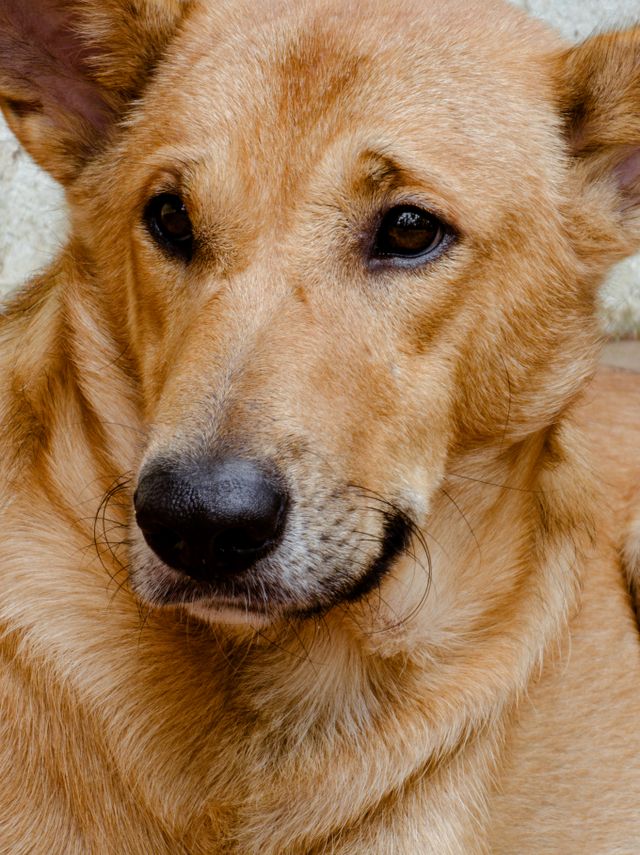
You leave for work, close the door, and assume your dog will spend the next few hours sleeping peacefully.
Maybe they do.
But some dogs struggle with being alone more than we realize. And the signs aren't always dramatic. A lonely or unsettled dog doesn't necessarily destroy the sofa or howl until the neighbors complain. Sometimes the changes are much quieter.
They may follow you from room to room. Sleep more. Lose interest in play. Or suddenly become incredibly excited every time you walk through the door.
So, how can you tell whether your dog simply enjoys your company—or genuinely needs more connection and stimulation?
Can Dogs Really Feel Lonely?
Dogs are social animals. They form strong relationships with people and often organize much of their day around our routines.
That doesn't mean every dog needs constant company. Some dogs happily snooze through several quiet hours alone, while others find solitude much more difficult.
The important thing is to notice changes in your dog's normal behavior.
A dog who has always enjoyed sleeping during the afternoon probably isn't lonely because they take a long nap. But if your playful, curious dog suddenly stops showing interest in toys, follows you constantly, or becomes restless whenever you prepare to leave, it's worth paying attention.
Signs Your Dog May Be Lonely
Loneliness doesn't look exactly the same in every dog. You might notice one subtle change or several behaviors appearing together.
Destructive behavior. Chewed shoes, scratched doors, torn cushions, or other destruction can sometimes come from boredom or frustration. However, destruction concentrated around doors and windows can also occur with separation-related distress.
More barking, whining, or howling. If this happens mainly after you leave, your dog may be struggling with your absence rather than simply reacting to noises outside.
Loss of interest. A dog who suddenly seems less interested in playing, exploring, or interacting with the family may need more attention—but behavioral changes can also have medical causes.
Restlessness or pacing. Some dogs repeatedly walk between rooms or struggle to settle, particularly when they recognize the familiar signs that you're about to leave.
Sudden clinginess. Does your dog now follow you everywhere, even to the bathroom? Wanting to stay close isn't automatically a problem, but a noticeable change in attachment deserves attention. If you've ever wondered about this behavior, our guide to why your puppy follows you everywhere explains some of the other reasons dogs become our little shadows.
Changes in eating or toileting. A dog may ignore food while alone or begin having accidents indoors despite being housetrained. These signs shouldn't automatically be blamed on loneliness, particularly when they appear suddenly.
One useful trick is surprisingly simple: record your dog while you're away. The RSPCA recommends occasionally using video to look for less obvious signs of distress, such as pacing, trembling, or whining that you would otherwise never see.
Why Might Your Dog Be Feeling Lonely?
Sometimes nothing dramatic has happened. Life simply changed.
Perhaps you're spending more hours at work. The children returned to school. Daily walks became shorter. Another pet died or moved away. Or your dog isn't getting quite as much interaction and mental stimulation as before.
Dogs notice routines remarkably well. A schedule that seems like a small adjustment to us can completely change their day.
And there is another possibility: what looks like loneliness may actually be separation anxiety.
Loneliness, Boredom, or Separation Anxiety?
These aren't necessarily the same thing.
A bored dog may search for entertainment and discover that dismantling a cardboard box—or unfortunately your favorite cushion—is great fun.
A dog experiencing separation anxiety is distressed by being separated from their person. The American Kennel Club explains that separation anxiety can involve pacing, whining, barking, destructive behavior, toileting indoors, panting, drooling, or attempts to escape.
That's an important distinction because a severely distressed dog doesn't simply need another toy.
How Can You Help a Lonely Dog?
Start with something dogs value enormously: meaningful time with you.
That doesn't require entertaining your dog every minute you're home. A sniff-filled walk, ten minutes of training, a game together, or simply letting your dog accompany you around the garden can add valuable interaction to their day.
Mental activity matters too. Rotate toys instead of leaving everything available all the time, hide a few treats for your dog to find, practice familiar commands, or introduce simple scent games.
Exercise should match your dog's age, health, breed characteristics, and energy level. If you're unsure how much activity is appropriate, our puppy exercise guide puppy exercise guide can help you build a sensible routine.
And teach alone time gradually rather than expecting a dog to suddenly cope with long absences. Calm departures and predictable routines can make leaving feel much less dramatic.
Most importantly, don't punish behavior caused by distress. The RSPCA warns that punishing a dog after returning home can actually increase anxiety associated with future departures.
When Should You Talk to Your Vet?
If your dog's behavior changes suddenly, becomes severe, or includes loss of appetite, repeated toileting accidents, excessive panting, self-injury, frantic escape attempts, or intense distress whenever you leave, speak with your veterinarian.
Physical discomfort and medical problems can also cause behavioral changes, so it's important not to assume everything is emotional.
Conclusion
Your dog doesn't need you beside them every second of the day. Learning to relax alone is a healthy skill.
But dogs also need companionship, activity, predictability, and opportunities to interact with the world around them.
The best clue isn't whether your dog occasionally chews something or sleeps while you're gone. It's whether their usual behavior has changed.
Sometimes the quietest changes tell us the most.
FAQ
Do dogs get lonely when left alone?
Some can. Dogs differ greatly in how comfortable they are spending time alone, so their behavior is more useful than applying one rule to every dog.
How can I tell what my dog does when I'm away?
Try recording them for part of your absence. You may discover pacing, whining, barking, or other behaviors that stop before you return.
Does getting another dog cure loneliness?
Not necessarily. Another dog can provide companionship for some dogs, but it isn't a guaranteed solution—especially when the real problem is separation anxiety.
Should I worry if my dog sleeps while I'm gone?
Not by itself. Resting is normal. A sudden change in sleeping habits combined with withdrawal, appetite changes, or other unusual behavior is more significant.
Can loneliness cause destructive behavior?
It can contribute, but destruction can also result from boredom, insufficient exercise, training issues, fear, or separation-related distress.