
Have you ever walked into the room, spotted a shredded cushion, and found your dog staring at the floor with those unmistakable “I did something wrong” eyes?
Most of us instantly think, “He knows he's guilty.”
But here's the surprising truth: your dog probably isn't feeling guilt the way humans do. What you're seeing is often a mix of anxiety, uncertainty, and concern about your reaction, not remorse over the mess itself. Studies on canine behavior suggest that the famous “guilty look” is more closely linked to a dog's response to an upset owner than to an understanding of having broken a rule.

Let's take a closer look at what your dog is really trying to tell you.
What Is the “Guilty Look”?
Most dogs show similar body language when they've been caught near a mess:
- Flattened ears
- Avoiding eye contact
- Lowered head
- Tail tucked or wagging low
- Lip licking or yawning
- Slow movements
To us, it looks exactly like guilt.
To your dog, however, it's more likely an appeasement behavior—a way of saying:
“I can tell you're upset. Please don't be angry with me.”
Dogs Read Our Emotions Extremely Well
Dogs are experts at reading human facial expressions, body language, and tone of voice.
Even before you say a word, your dog may notice:
- your facial expression
- tense body posture
- louder footsteps
- frustrated sighs
- raised voice
Your dog responds to your emotional state, not necessarily to the chewed shoe lying beside them.
Do Dogs Know They Did Something Wrong?
This is where things get interesting.
Dogs absolutely learn through cause and effect.
For example:
- Chewing shoes often leads to the owner becoming upset.
- Jumping on the counter usually results in being called away.
- Digging in the garden often ends the fun.
But that doesn't necessarily mean your dog understands the broken rule hours later.
If you discover the damage long after it happened, your dog is reacting to your current behavior, not remembering the exact action that caused it.
Why Punishment Usually Doesn't Help
Many owners scold their dog after finding a mess.
Unfortunately, delayed punishment can confuse dogs.
Instead of learning:
“Chewing shoes is bad.”
They may learn:
“When my owner comes home looking upset, scary things happen.”
That can increase anxiety without preventing the behavior.
Positive reinforcement and redirecting your dog toward appropriate activities are far more effective training methods.
If your puppy constantly bites shoes or furniture, our guide on stopping puppy biting offers practical, positive training techniques that really work.
Common Reasons Dogs Misbehave
Sometimes unwanted behavior has nothing to do with stubbornness.
Your dog may simply be:
- bored
- under-exercised
- anxious
- teething
- seeking attention
- lacking mental stimulation
Solving the underlying cause often works much better than punishment.
Daily mental stimulation can prevent many unwanted behaviors. Check out our guide to the best dog accessories that keep dogs happy and engaged.

Help Your Dog Feel More Secure
Here are a few ways to reduce those “guilty” moments:
Keep training consistent
Reward the behaviors you want instead of focusing only on mistakes.
Provide enough exercise
A tired dog is much less likely to invent their own entertainment.
Offer enrichment
Puzzle toys, sniffing games, and chew toys help satisfy natural instincts.
Stay calm
Dogs respond much better to calm guidance than emotional reactions.
Affiliate Picks to Help Prevent Destructive Behavior
If boredom or stress is behind the unwanted behavior, these products can help:
Interactive Puzzle Toy
Joansan Store

Keeps your dog's brain busy while rewarding problem-solving.

Long-Lasting Chew Toy
Pamlulu Store
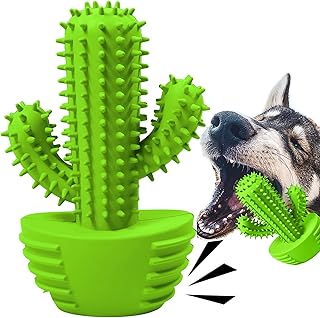
A safe outlet for chewing that protects your furniture and shoes.
Treat Dispensing Toy
Brand : knitly
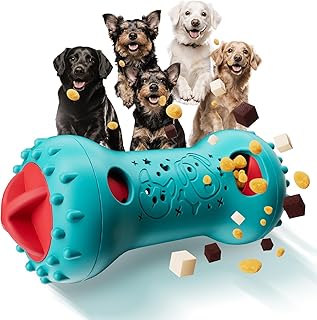
Perfect for keeping dogs entertained when home alone.
Disclosure: As an affiliate partner, we may earn a commission from qualifying purchases.
The Real Emotion Behind Those Puppy Eyes
Your dog isn't trying to manipulate you.
Those sad eyes usually mean:
- “I notice you're upset.”
- “I want everything to be okay.”
- “Please don't be angry.”
That emotional sensitivity is actually one of the reasons dogs have become such incredible companions.
Understanding what your dog is truly communicating helps build trust—and creates a happier relationship for both of you.
The American Kennel Club (AKC) offers excellent advice on understanding canine body language and positive reinforcement training for everyday situations.
FAQ
Do dogs actually feel guilty?
Current research suggests dogs do not experience guilt in the same way humans do. Their “guilty look” is more likely a response to your emotional cues than an understanding of moral wrongdoing.
Why does my dog look guilty before I find the mess?
Your dog may notice subtle changes in your body language, voice, or routine. They often react to your emotions before you even discover what happened.
Should I scold my dog after finding something destroyed?
No. If the behavior happened earlier, your dog is unlikely to connect the punishment with the action. Redirecting, supervising, and rewarding good behavior are much more effective.
How can I stop destructive behavior?
Provide daily exercise, mental enrichment, appropriate chew toys, and consistent positive training. If destructive behavior appears suddenly or becomes severe, consult your veterinarian or a qualified dog trainer.