
Leaving the house should not be a stressful event for your dog—but for some pups, even seeing you pick up your keys can trigger barking, whining, pacing, or destructive behavior.
If this sounds familiar, you're not alone. Separation anxiety is one of the most common behavioral issues in dogs. The good news? With patience and a few simple changes, many dogs can learn that being alone isn't something to fear.

What Is Separation Anxiety?
Dogs are naturally social animals. While most can relax when left alone for a few hours, others become distressed the moment their favorite person disappears.
Common signs include:
- Excessive barking or whining
- Chewing furniture, shoes, or doors
- Scratching at windows or exits
- Pacing or restlessness
- House-training accidents
- Over-the-top excitement when you return home
These behaviors are usually caused by anxiety—not stubbornness or revenge.
Stay Calm When Leaving and Returning
One of the biggest mistakes owners make is turning departures into emotional events.
Long goodbyes, comforting words, or dramatic greetings can accidentally tell your dog that being alone is something scary.
Instead:
- Leave quietly.
- Return calmly.
- Wait until your dog settles before giving attention.
This teaches your dog that coming and going is simply part of everyday life.
Give Your Dog Something Better to Do
A bored dog has plenty of time to worry.
Before leaving, offer an activity that keeps your dog busy, such as:
- A stuffed food puzzle
- A frozen lick mat
- A durable chew toy
- A long-lasting treat
Creating a positive association with your departure can gradually reduce anxiety.
A well-exercised dog is often calmer when left alone. Learn how much activity your dog needs in our Puppy Exercise Guide.
Practice Short Absences
If your dog panics after just a few seconds, start small.
Walk outside for 30 seconds, then return calmly.
Repeat several times a day, slowly increasing the time you're away.
Progress may feel slow, but consistency usually works better than rushing the process.
Break the “Leaving” Routine
Many dogs recognize predictable signals:
- Picking up keys
- Putting on shoes
- Wearing a jacket
- Grabbing a handbag
Try doing these things without actually leaving.
Put on your coat, sit on the couch, then take it off again.
Over time, these cues lose their power to trigger anxiety.
Creating a safe environment can ease your dog's stress. Check out our guide to the 15 Things Your Dog Needs When Left at Home Alone before your next trip out.
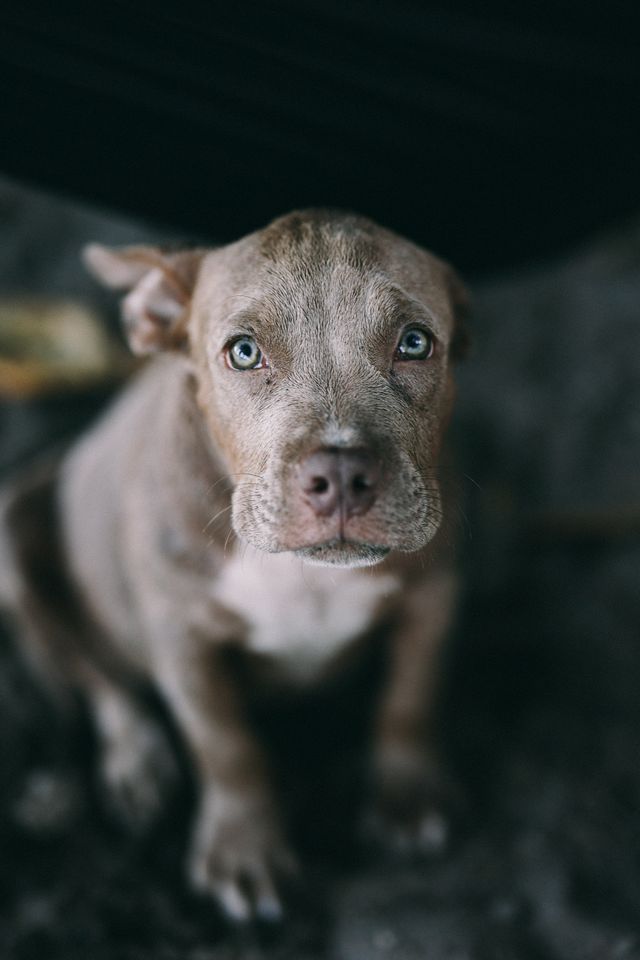
Create a Safe, Comfortable Space
Some dogs relax better when they have a quiet place that feels secure.
Depending on your dog's personality, this might be:
- A cozy bed
- A quiet room
- A properly introduced crate
- Soft background music or white noise
Never force crate training. A crate should always feel like a safe retreat, not a punishment.
The American Veterinary Medical Association explains the signs of separation anxiety and why gradual training is the most effective approach.
Exercise Before You Leave
A mentally and physically satisfied dog is more likely to rest while you're gone.
Before leaving, try:
- A brisk walk
- A short training session
- A game of fetch
- Nose-work or scent games
Even 20–30 minutes of activity can make a noticeable difference.
When to Ask for Professional Help
If your dog injures themselves, destroys large parts of the home, or cannot stay alone even for a few minutes, it's time to consult your veterinarian or a certified dog behavior professional.
Severe separation anxiety often improves most with a personalized training plain.
FAQ
Can dogs outgrow separation anxiety?
Some puppies improve as they mature, but many dogs need consistent training to overcome anxiety.
Should I ignore my dog when I come home?
Yes. Wait until your dog is calm before giving attention. This helps reduce emotional highs and lows.
Is crate training helpful?
For many dogs, yes—but only if the crate has been introduced positively. It should never be used as punishment.
How long does training take?
Every dog is different. Mild cases may improve within a few weeks, while severe anxiety can take several months of consistent work.
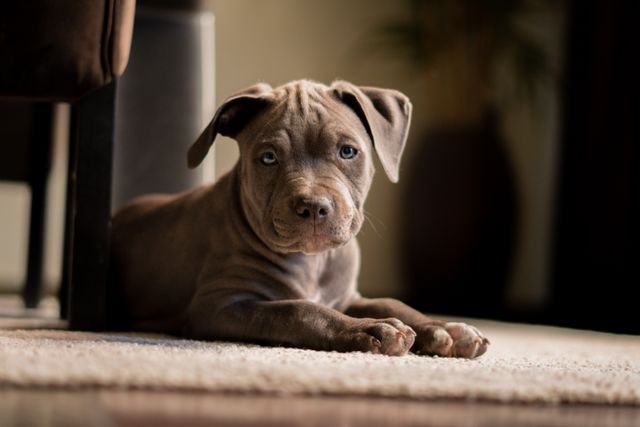
Helping a dog overcome separation anxiety isn't about finding a quick fix—it's about building confidence one small step at a time. Calm departures, predictable routines, mental enrichment, and patient training can make a huge difference. With consistency, many anxious dogs learn that being alone is only temporary—and that you'll always come back.