

A dog’s tail can reveal a lot about how they feel. Many people assume that a wagging tail always means happiness, but canine communication is more complicated than that. A dog may be excited, uncertain, frightened, or tense.
To understand your dog better, it is important to look beyond tail movements and pay attention to their ears, eyes, posture, and overall behavior.
1. What Does It Mean When a Dog Wags Their Tail?
A wagging tail does not automatically mean a dog is happy. Tail wagging is a form of communication that can express different emotional states.
If your dog has a relaxed body, a natural posture, and a loose, gentle tail wag, they may be feeling comfortable and friendly.
However, a stiff, high tail wag combined with a tense body or a fixed stare may indicate heightened arousal, uncertainty, or possible conflict. Always consider the entire situation rather than interpreting the tail alone.
2. Why Does a Dog Put Their Tail Between Their Legs?
A tail tucked between the hind legs often signals fear, insecurity, or stress. Your dog may behave this way during thunderstorms, around loud noises, in unfamiliar places, or when encountering someone they find intimidating.
Give your dog space and allow them to move away from whatever is making them uncomfortable. Never force an interaction or punish your dog for showing fear.
If this behavior appears suddenly or persists without an obvious reason, consult your veterinarian.
3. What Does It Mean When a Dog Holds Their Tail High?
A raised tail may indicate alertness, excitement, or confidence. However, some breeds naturally carry their tails higher than others.
If your dog holds their tail high while keeping their body stiff, staring intensely, or appearing tense, they may be on alert. This posture should not automatically be interpreted as friendliness.
Pay attention to how your dog responds to people, other dogs, and changes in their surroundings.
4. Why Does a Dog Hold Their Tail Low?
A tail carried lower than usual may indicate calmness, uncertainty, or discomfort. The meaning depends on your dog's normal tail position and the situation.
If your dog lowers their tail, turns their head away, repeatedly licks their lips, or tries to move away, they may be feeling uncomfortable.
If the tail suddenly hangs unusually low, your dog refuses to raise it, or they react painfully to touch, a medical problem could be responsible. A veterinary examination is recommended in these cases.
5. Why Does a Dog Wag Just the Tip of Their Tail?
Small movements at the tip of the tail may accompany concentration, curiosity, or uncertainty. However, this movement alone cannot reliably tell you how your dog feels.
Look at the rest of their body. Are their muscles relaxed, and do they willingly approach you? Or are they stiff, hesitant, and avoiding contact?
The more familiar you are with your dog's normal behavior, the easier it becomes to recognize changes in their body language.
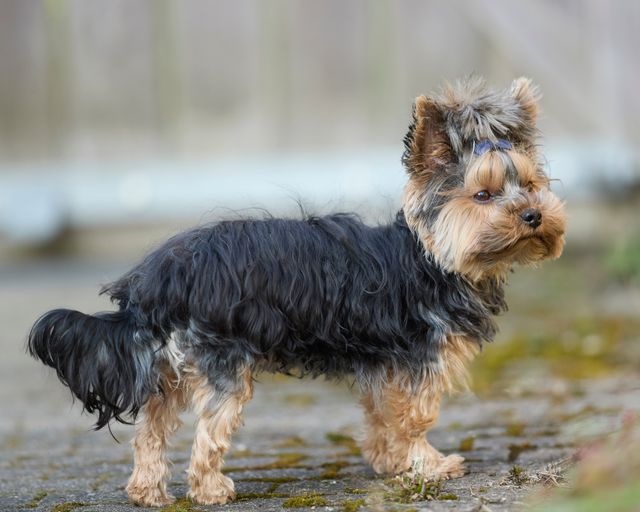
6. Why Does a Dog Wag Their Whole Rear End?
When a dog wags their tail so enthusiastically that their entire rear end moves, it often reflects excitement. They may be greeting their favorite person or reacting to an activity they enjoy.
If their body is loose, their movements are relaxed, and they willingly seek contact, the behavior may indicate positive excitement.
Even so, it is important to consider the whole picture rather than relying on a single signal.
7. How Can You Read Your Dog's Tail Correctly?
When observing your dog, do not focus on just one movement. Instead, look for several signals together:
- Tail: Notice its height, stiffness, and movement.
- Ears: Check whether they are relaxed, facing forward, or pulled back.
- Eyes: Observe whether your dog looks relaxed, avoids eye contact, or stares intensely.
- Body posture: Look for a relaxed, stiff, or lowered body.
- Context: Consider what is happening around your dog and what might be triggering their reaction.
If your dog appears frightened or tense, give them space. Never approach an unfamiliar dog simply because they are wagging their tail.
For more guidance, read our article on how to understand your dog's body language.
Dogs communicate through more than just their tails. They also use licking, facial expressions, and body posture to express themselves.
 If your dog frequently licks you, read our guide on why dogs lick their owners' hands and faces to understand what this behavior may mean.
Conclusion
A dog's tail is an important part of canine communication, but its movements do not always have the same meaning. Tail wagging can indicate happiness, excitement, uncertainty, or tension.
The best way to understand your dog is to observe their entire body, consider the situation, and learn their individual behavior patterns. This can help you recognize when your dog feels comfortable, when they need space, and when something may be causing them distress.
External resource: For additional information about canine body language and communication, visit the American Kennel Club's guide to dog body language.