If you’ve ever found a tiny tooth on the floor after your puppy was chewing a toy, don’t panic — it’s usually a completely normal part of growing up. But tooth loss in dogs can also signal serious dental problems, especially in adult dogs.
Many dog owners are unsure when loose teeth are harmless and when they should call the vet. The truth is, your dog’s dental health affects much more than just their smile. Poor oral hygiene can lead to pain, infections, eating problems, and even long-term health complications.

Here are the most important things every pet parent should know about dog tooth loss, puppy teething, and keeping canine teeth healthy for years to come.
1. It’s Completely Normal for Puppies to Lose Teeth
Just like human babies, puppies naturally lose their baby teeth as they grow.
Puppies are born without visible teeth, but their baby teeth start appearing around 3 to 6 weeks of age. These tiny sharp teeth are called deciduous teeth, and puppies usually have 28 of them.
As your puppy grows, those baby teeth begin falling out to make room for adult teeth. This process typically starts around 3 to 4 months old and continues until about 6 months of age.
During this stage, you might notice:
- Small teeth on the floor
- Increased chewing
- Mild bleeding from the gums
- Drooling
- Irritability or whining
- Chewing furniture or toys more aggressively
All of this is generally normal puppy teething behavior.
Some puppies swallow their baby teeth while eating or chewing, which is also harmless in most cases.
The adult teeth eventually replace the baby teeth, and healthy adult dogs should end up with 42 permanent teeth.
2. Puppy Teething Can Be Messy — But Usually Isn’t Dangerous
Teething puppies often chew absolutely everything they can find. Shoes, chair legs, blankets, remote controls — nothing feels safe during this phase.
Chewing helps relieve gum discomfort and pressure caused by incoming adult teeth.
One of the biggest mistakes new dog owners make is assuming every little bit of blood means an emergency. A small amount of bleeding while teeth are falling out is usually normal.
However, there’s a difference between normal teething and signs of a problem.
Call your vet if you notice:
- Heavy bleeding
- Severe swelling
- Bad odor from the mouth
- Refusal to eat
- Broken teeth
- Retained baby teeth that don’t fall out
Retained puppy teeth are surprisingly common in small dog breeds. When baby teeth stay in place beside adult teeth, it can cause overcrowding and future dental disease.
A vet may recommend removing retained teeth before they create long-term issues.
3. Tooth Loss in Adult Dogs Is NOT Normal
Here’s the important part many dog owners don’t realize:
Adult dogs should not lose teeth naturally.
Once permanent teeth come in, they are meant to last for life. If an adult dog has loose teeth or missing teeth, something is usually wrong.
The most common causes include:
- Periodontal disease
- Trauma or injury
- Tooth root infections
- Advanced plaque buildup
- Gum disease
- Tumors or oral disease
- Poor nutrition
- Genetics
Many dogs hide dental pain extremely well. Even dogs with serious mouth problems may continue eating and acting mostly normal.
That’s why pet parents should watch for subtle warning signs like:
- Bad breath
- Difficulty chewing
- Dropping food
- Pawing at the mouth
- Swollen gums
- Excessive drooling
- Bleeding gums
- Reluctance to chew hard treats
If your adult dog loses a tooth, schedule a veterinary dental exam as soon as possible.
Ignoring dental disease can allow bacteria to spread deeper into the gums and bloodstream, potentially affecting organs like the heart and kidneys.
4. Periodontal Disease Is Extremely Common in Dogs
One of the leading causes of tooth loss in adult dogs is periodontal disease.
This condition starts when plaque and bacteria build up along the gumline. Over time, plaque hardens into tartar, irritating the gums and damaging the tissues supporting the teeth.
Unfortunately, dental disease is incredibly common in dogs — especially small breeds and older dogs.
Dogs often develop dental problems silently over many years before owners notice symptoms.
Some breeds more prone to dental disease include:
- Yorkshire Terriers
- Chihuahuas
- Dachshunds
- Toy Poodles
- Pomeranians
Without treatment, periodontal disease can eventually loosen teeth and cause painful infections.
The good news is that early prevention makes a huge difference.
5. Most Adult Dog Tooth Loss Is Preventable
The easiest way to protect your dog’s teeth is by building a simple dental care routine early.
You don’t need complicated routines or expensive treatments to improve your dog’s oral health.
Simple ways to prevent dog tooth loss:
- Brush your dog’s teeth regularly
- Use veterinarian-approved dental chews
- Schedule annual dental checkups
- Feed quality nutrition
- Provide safe chew toys
- Watch for signs of gum disease
Even brushing a few times per week can dramatically reduce plaque buildup.
Many dogs resist tooth brushing at first, but with patience and positive reinforcement, most eventually adapt.
Best Dental Products for Dogs
Adding the right dental products to your routine can make a big difference in preventing plaque buildup and bad breath.
Recommended dog dental essentials:
- Teeth training kit for puppies
Arm&Hammer Store

- Complete puppy dental care kit
- Gentle toothpaste for puppy teeth
- Soft toothbrush and finger brush
- Fresh breath and healthy gums

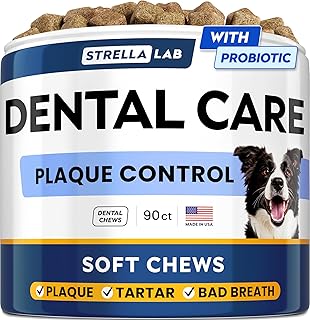
Dental chews for plaque control
STRELLABAB Store
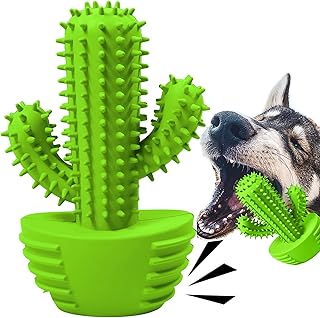
- Fun cactus chew toy for dogs
- Helps clean teeth while chewing
- Durable toy for aggressive chewers
- Squeaky design keeps dogs entertained
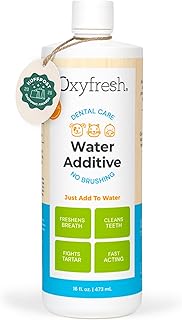
Water additives for oral hygiene
Oxyfresh Store