Brushing your dog’s teeth can feel impossible at first.
Some dogs pull away, close their mouths tightly, or act nervous the second they see the toothbrush.
The good news? It doesn’t have to become a daily battle.
With the right approach, most dogs can slowly learn to accept tooth brushing — and some even start enjoying the attention and routine. The secret is making the experience calm, gentle, and positive instead of forcing it.
In this guide, you’ll learn an easy trick that helps keep your dog relaxed during brushing, plus simple tips to make the process easier for both of you.
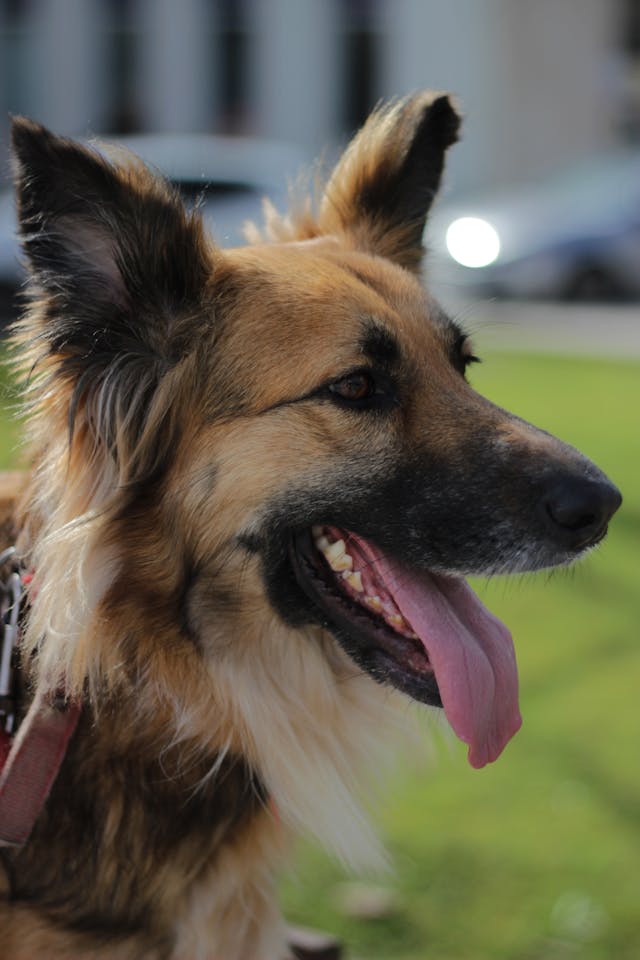
Why Brushing Your Dog’s Teeth Matters
Dental care is one of the most overlooked parts of dog health.
Without regular cleaning, plaque and tartar can build up quickly. This can lead to:
- bad breath
- yellow teeth
- gum irritation
- painful infections
- tooth loss
In some cases, untreated dental problems may even affect your dog’s overall health.
Many pet owners wait until they notice serious symptoms, but prevention is much easier (and cheaper) than treatment at the vet.
Even brushing a few times per week can make a big difference.
The Easy Trick: Use a Toy to Keep Your Dog Relaxed
One simple method many dog owners use is giving the dog a favorite toy while brushing.
Instead of trying to force your dog’s mouth open, let them gently hold a toy in their mouth. This naturally keeps the mouth slightly open and helps reduce stress.
Soft rope toys or small balls with ropes work especially well.
Why This Works
Dogs often become nervous when they feel restrained.
Holding a toy gives them something familiar and comforting to focus on. It also keeps the situation playful instead of stressful.
For many dogs, this small trick changes everything.
🎥 Watch This Simple Tooth Brushing Trick:
Step-by-Step: How to Brush Your Dog’s Teeth
1. Start Slowly
Don’t rush.
Let your dog smell the toothbrush and toothpaste first. Use toothpaste made specifically for dogs — never human toothpaste.
You can even place a small amount of dog toothpaste on your finger and let your dog taste it before brushing.
The goal is to build trust.
2. Give Your Dog a Favorite Toy
Offer a toy your dog enjoys holding.
While your dog gently keeps the toy in their mouth:
- stay calm
- speak softly
- avoid sudden movements
This helps your dog stay more relaxed during the process.
3. Brush Gently
Focus mainly on the outside surfaces of the teeth.
Use small circular motions and avoid scrubbing aggressively.
You don’t need to clean every single tooth perfectly during the first sessions. Even short brushing sessions are useful when done consistently.
A few seconds today is better than forcing a stressful experience.
4. Reward Your Dog Afterwards
Always finish with praise, cuddles, or a small treat.
Dogs learn through positive experiences. If brushing ends with something enjoyable, they’ll become more cooperative over time.
Consistency matters more than perfection.
If you notice unusual dental problems , read our guide about dog tooth loss and warning signs.
Useful product for cleaning dog teeth
Using the right products can make brushing much easier.
Recommended Dog Dental Essentials
🦷 Dog Toothbrush
A soft-bristle toothbrush designed for dogs is safer and more comfortable than a regular human toothbrush.
Newday Store
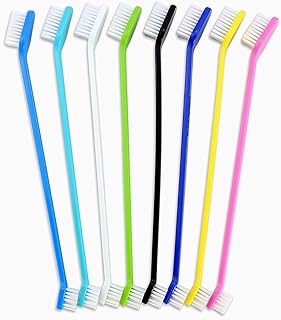
- Gentle bristles for effective everyday cleaning
- Comfortable grip for easy and precise brushing
- Perfect for daily oral care at home or while traveling

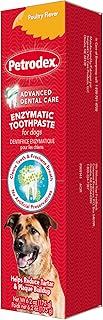
🪥 Dog Toothpaste
Dog toothpaste usually comes in flavors dogs enjoy, like chicken or peanut butter.
Petrodex Store
🧸 Natural Rubber Dog Toy Ball On a Rope Reward for Pet
CoscosX Store
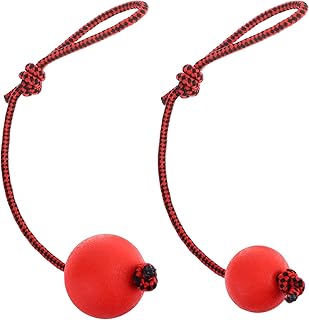
- Durable rubber dog toy designed for chewing and active play
- Rope handle makes it easy for throwing, tugging, and training
- Helps support cleaner teeth and healthy chewing habits
- Fun and interactive toy for puppies and adult dogs
They also help support natural chewing behavior.
Signs Your Dog May Need Dental Care
Sometimes dogs hide dental discomfort surprisingly well.
Watch for these signs:
- strong bad breath
- excessive drooling
- bleeding gums
- yellow or brown buildup
- difficulty eating
- pawing at the mouth
If you notice severe symptoms, it’s best to contact your veterinarian.
Tips for Nervous Dogs
Some dogs need extra patience.
If your dog becomes anxious:
- keep sessions extremely short
- brush only a few teeth at first
- try brushing after exercise when your dog is calmer
- stay relaxed yourself
- never punish or force your dog
Progress may take days or even weeks, and that’s completely normal.
The goal is trust, not speed.