We have all experienced the sound of our teeth clicking against each other when we are extremely cold, and as a dog owner, witnessing this in your dog is very concerning. The chattering of dogs’ teeth can be interesting to find out what leads to it and its implications, along with the swift, rapid clicking sound.
Common causes of chattering in individuals are cold shivering, emotional stress, anxiety, drug-induced tremors, or neurological tremors. However, none of these applies to teeth chattering in dogs.
The guide lets you learn why your dog chatters its teeth, whether it’s typical or suggestive of a likely health issue, and what you do in response.
Understanding Teeth Chattering in Dogs
Teeth chattering in a dog happens when the dog’s jaw swiftly moves, opening and closing quickly, causing the teeth to clack or click together. The action repeats, ranging from a faint, hardly noticeable vibration to a ringing, noticeable clattering.
This activity might sometimes be accompanied by trembling or quaking, which can seem harmless or amusing. It is often considered a sign of excitement, but shivering teeth can sometimes indicate a serious issue. Thus, understanding the potential reasons is essential to ensure your pet remains healthy and happy.
Common Causes of Teeth Chattering
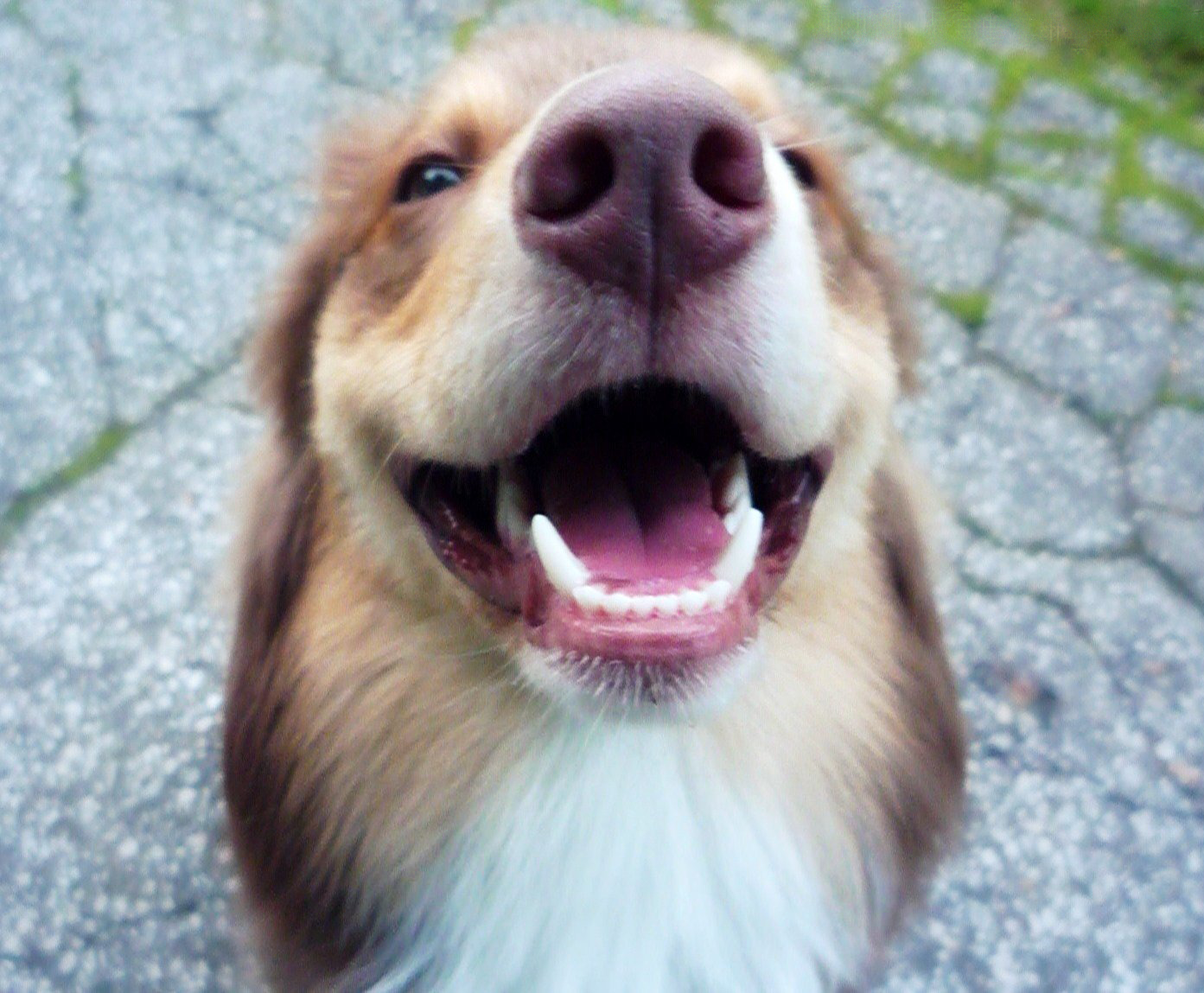
Teeth chattering refers to the uncontrolled movement of the jaw. Yet, a barking dog may also display additional behaviors such as whining, shaking, or drooling. Pet owners should be worried because certain situations may cause dogs to show signs of discomfort or anxiety.
- Cold Temperatures: Like humans do, some dogs may begin shivering and chattering their teeth if it’s too cold. Shivering is a bodily reaction to generate some warmth in the body. Small breeds of dogs, such as Chihuahuas, are predisposed to serving this because the temperature of their body is on the lower side naturally.
- Excitement and Happiness: Dogs do teeth chattering because of a thrill or in anticipation of something nice. It could be from playing, waiting for food, or the owner’s return. So, make sure you give them a nice time whenever you notice them chattering out of excitement.
- Strong Odors and the Flehmen Response: Strong or pleasant smells can sometimes result in dogs chattering their teeth. They will chin the ground on certain sweet-smelling plant materials, roll their lips back, and display by chattering their teeth lightly. This is known as the Flehmen response, a standard display exhibited by various animals, including dogs and cats.
- Pain and Discomfort: Chattering can also occur because of underlying pain or discomfort in dogs. The source of pain can vary, including:
- Dental Issues: Chattering is commonly a symptom of underlying dental problems such as broken teeth, dental abscesses, or gingival inflammation. If you see any such signs in your dog, it’s wise to get him checked up.
- Temporomandibular Joint (TMJ) Problems: The TMJ pain caused by arthritis or jaw fractures may lead to jaw chattering in some dogs.
- Ear Infections or Inflamed Muscles: Other less common causes could be due to ear infection pain and inflammation of the muscles.
- Gastrointestinal Issues: Dogs with nausea, vomiting, or gastroesophageal reflux may chatter their jaws or grind their teeth.
- Anxiety and Stress: Anxiety and stress may result in jaw chattering in dogs, brought about, for example, by loud noises, unfamiliar settings, or separation anxiety.
- Neurological Conditions and Seizures: Neurological conditions such as focal seizures may express themselves through jaw-chattering and fly-biting behaviors. Those experiencing seizures do not respond to you.
- Pheromones: Dogs, particularly unneutered males, will chatter their jaws after sniffing a female due to the pheromones. This sort of nostalgic high is done to bring the scents into the roof of the mouth so they can taste it better.
Is Teeth Chattering Normal or a Sign of a Problem?
In many cases, teeth chattering is a normal behavior and not a cause for concern. However, it is essential to discern when it may indicate an underlying health issue.
Teeth chattering is more likely to be a sign of a problem if it is associated with:
- Swelling around or in the mouth
- Decreased or no appetite
Breed Predispositions
Dog breeds, however, vary in their ability to chatter their teeth based on specific causes. A case in point: Greyhounds generally chatter their teeth in routine examinations due to nervousness; small breeds chatter their teeth due to the cold.
When to Seek Veterinary Care
If your dog chatters their teeth and this is accompanied by other symptoms of concern or becomes frequent, it is vital to visit a veterinarian. Any sudden or random teeth chattering in concert with other unusual behaviors should be checked by a vet.
Seek immediate veterinary care if your dog:
- Shows signs of hypothermia
- Exhibits signs of a severe gastrointestinal problem
- Shows signs of a neurological disorder
- Is showing signs of muscle or joint disorder
- Is showing signs of mouth pain
- Is showing signs of severe anxiety
Diagnosis and Treatment
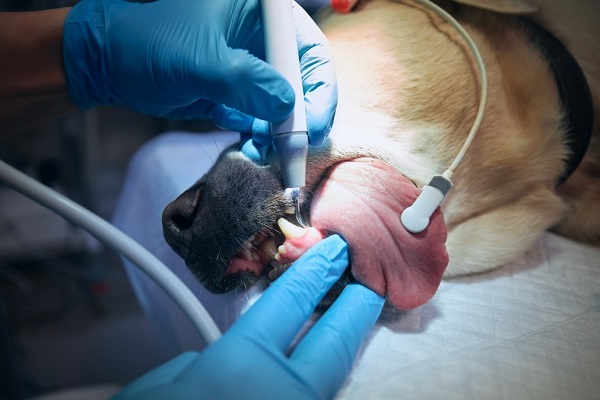
If your dog’s teeth chattering concerns you, your veterinarian will thoroughly examine it to find a cause and offer suitable treatment.
Veterinary Examination: The veterinarian will carry out a physical examination and may recommend additional diagnostic tests, including:
- Evaluation of the mouth for dental disease or soft tissue inflammation
- X-rays or computed tomography (CT) scans to assess TMJ issues.
- Lab tests and imaging (ultrasound or endoscopy) for gastrointestinal problems
- Neurological evaluation to rule out seizures or other nerve-related issues.
Treatment Options: The treatment will depend on the underlying cause of teeth chattering. Possible treatments may include:
- Dental Care: Professional dental cleaning, tooth extractions, and antibiotics for dental-related issues.
- Medication: Non-steroidal anti-inflammatories, corticosteroids, antacids, seizure medications, or ear medications to address pain, inflammation, or underlying medical conditions.
- Calming interventions: Using ThunderShirts, pheromone sprays, and calming supplements for anxiety or stress-related teeth chattering.
Prevention and Management
While all causes of teeth chattering are pretty complex to prevent, there are several steps you can take to manage and minimize this behavior.
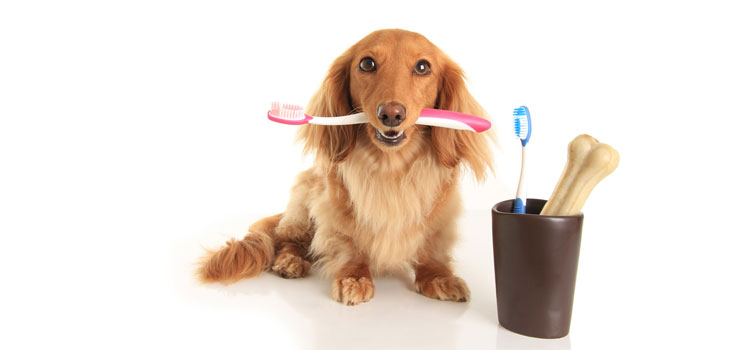
- Maintenance of Dental Hygiene: Brushing regularly, cleaning the teeth, and offering adequate chew toys will assist your pooch in maintaining a clean mouth and preventing dental issues.
- Environmental Challenges: Maintaining warmth during cold and windy weather and reducing exposure to situations causing stress might hinder premature teeth chattering in canines.
- Solving Behavioral Issues: Consult the vets or certified trainers of dogs who might help adjust behavior methods or medication that corrects anxiety-related problems or teeth chattering because of stress.
Veterinary Advice and Recommendations

Veterinarians recommend closely monitoring how often your dog chatters his teeth or under what circumstances it seems to do it. Notice any troubling symptoms, or see a vet, which is a good idea if the tooth-chattering keeps up for a long time.
Common Misconceptions
Misconceptions about teeth chattering in dogs are;
Misconception: Teeth chattering is always a sign of discomfort or distress.
- Fact: While that is true sometimes, teeth chattering may also represent everyday actions of enjoyment, excitement, or anticipation.
Misconception: Teeth chattering relates only to dental problems.
- Fact: Though teeth chattering may originate or stem from dental ailments, it is not the single cause. One may want to consider other aspects such as pleasure, stimulation of the salivary glands, anxiety, or excitement.
The Role of Genetics
Genetics may play a role in some conditions that cause teeth chattering, like neurological disorders or TMJ problems; however, it is not generally associated with this behavior.
Pet Insurance and Financial Support
When your dog’s teeth chattering will require you to go to the veterinarian, a pet insurance company may offer financial support and peace of mind. It would help cover expenses like diagnostic tests, treatments, and medications.
Conclusion
Teeth chattering in dogs may be puzzling to dog owners, but knowing its causes for your dog’s health and well-being is essential. The behavior could be due to innocuous excitement or severe conditions.
Observe your dog’s situation when chattering occurs. Though it can be a typical reaction to cold, excitement, or pungent odors, it can also indicate dental issues, pain, fear, or severe neurological conditions. It is essential to differentiate between benign and worrisome causes.
Being well-educated and scheduling frequent veterinary checkups can catch possible illness issues early on. Furthermore, should teeth chattering be associated with symptoms like bad breath or unusual behavior, seek the advice of a veterinarian right away to prevent complications of minor issues.
Preventative methods such as proper dental care and having a calming environment can reduce teeth chattering in dogs. Consultation with a veterinarian or dog trainer might provide particular strategies to deal with chattering due to anxiety. To learn more about dog dental care, visit the American Kennel Club’s Guide to Dog Dental Health. If you are concerned about your dog’s anxiety, the ASPCA’s Guide to Dog Anxiety is a valuable resource that offers tips and advice.
Understanding our dog’s condition is necessary for strengthening your bond and ensuring a happier, healthier life for your furry companion. Always prioritize personalized veterinary advice and consider pet insurance to alleviate the financial burden of unexpected health issues. By staying informed and proactive, you can provide the best care for your dog and enjoy many joyful years together.