
Walking through the front door after a long day is often the highlight of your dog's day. A wagging tail, excited zoomies, happy barking, and jumping into your arms can make anyone smile. Most of us naturally respond with cuddles, excited voices, and plenty of affection.
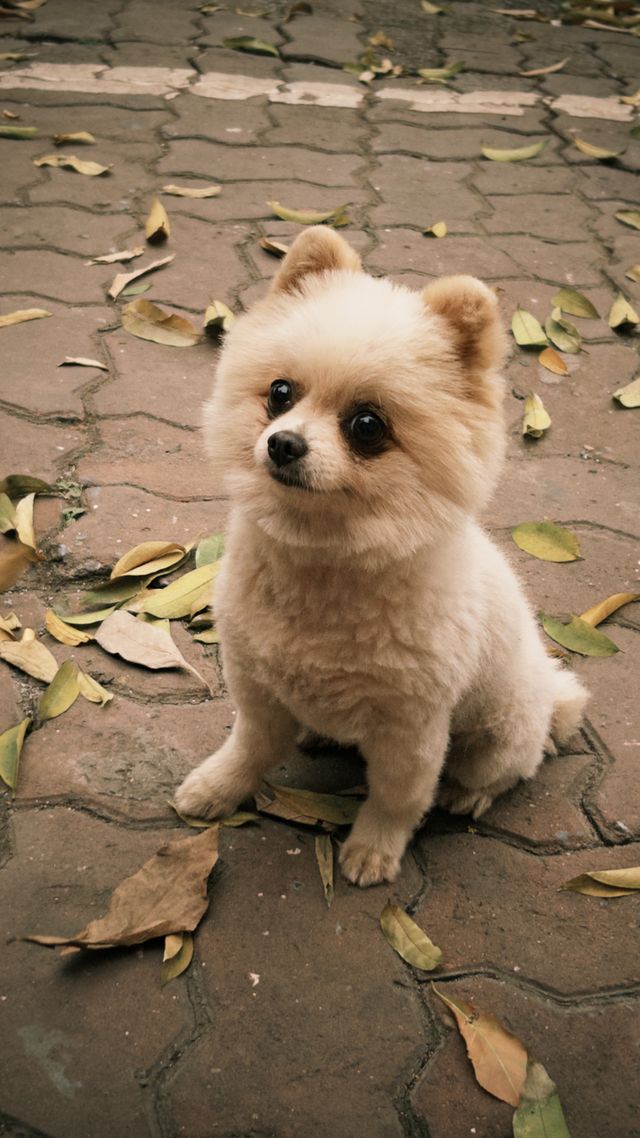
But what if that enthusiastic greeting is actually teaching your dog the wrong lesson?
Watch the short video below to see how a calm greeting can influence your dog's behavior before reading the full guide.
Training methods vary, and every dog is different. Use the approach that best suits your dog's personality and consult a qualified trainer if needed.
Many professional trainers, including Cesar Millan, believe that the first few moments after you arrive home can influence your dog's overall behavior. A calm greeting may help your dog become more balanced and polite—not just with you, but with other people and animals as well.
Why Dogs Get So Excited
Dogs thrive on routines. If every reunion is full of excitement, your dog starts expecting that emotional high every single time you come home.
For some dogs, this can lead to:
- Jumping on guests
- Excessive barking
greet your dog the right way
- Pulling on the leash
- Difficulty calming down
- Overexcitement around children or visitors
While excitement isn't a bad thing, learning to switch from excitement back to calmness is an important life skill for every dog.
Teaching calm greetings is one of many everyday habits that can help your dog develop better manners.
Try a Calm Greeting Instead
One common training approach is surprisingly simple.
When you walk through the door:
- Avoid talking to your dog immediately.
- Don't make direct eye contact right away.
- Wait before petting them.
- Allow your dog a few moments to settle down.
Once all four paws are on the floor and your dog is relaxed, quietly say hello and offer gentle affection.
This teaches your dog that calm behavior earns attention, not frantic excitement.
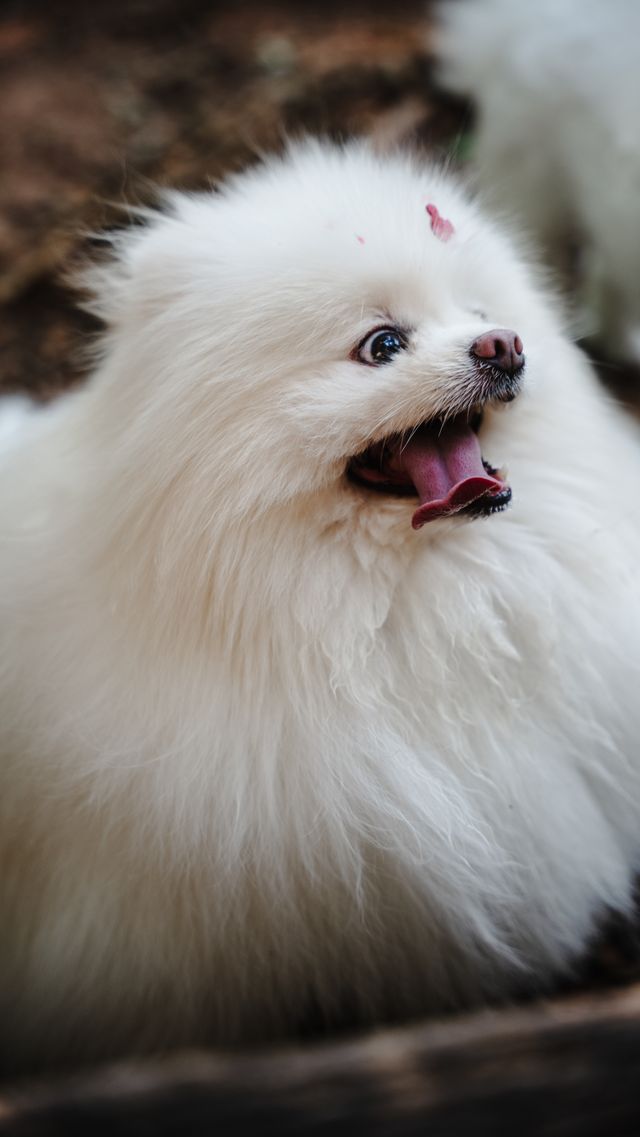
You're Teaching a Daily Habit
Dogs learn through repetition.
If your dog practices calm greetings every day, that behavior becomes part of their routine.
On the other hand, if jumping and barking always receive attention—even positive attention—your dog may think that's the correct way to greet everyone.
Over time, this can make social situations more challenging.
Does This Mean You Should Ignore Your Dog?
Not at all.
Your dog still deserves love, attention, and affection.
The goal isn't to ignore them forever—it's simply to wait until they're emotionally settled before rewarding them with attention.
Think of it as rewarding the behavior you want to see more often.
The American Kennel Club offers additional positive training tips for building good manners and encouraging calm behavior in dogs.
Every Dog Is Different
Some naturally calm dogs may only need a few seconds before they're ready for a gentle greeting.
High-energy breeds or young puppies may need a little more time.
If your dog struggles with excitement, consistency matters much more than perfection. Even small changes repeated every day can make a noticeable difference.
A calm greeting starts long before you open the front door. Understanding how dogs cope when left alone can also help reduce overexcitement when you return.
When Excitement May Signal Something Else
If your dog becomes extremely anxious whenever you leave or return home, the issue may be more than simple excitement.
Signs such as destructive behavior, constant barking, pacing, or panic when left alone could indicate separation anxiety. In those cases, it's worth discussing the behavior with your veterinarian or a qualified dog trainer.
Greeting your dog doesn't have to become a training session—but those first few moments together can shape daily habits.
A calm reunion doesn't mean loving your dog any less. In fact, helping your dog stay relaxed may make life easier for both of you, whether you're welcoming guests, visiting the park, or simply coming home after work.
Sometimes, the quietest hello is the one that teaches the biggest lesson.
FAQ
Should I completely ignore my dog when I get home?
No. Simply wait until your dog has calmed down before offering attention and affection.
Is jumping always a bad behavior?
Not necessarily, but many owners prefer teaching dogs to greet people politely with all four paws on the ground.
How long should I wait before greeting my dog?
Usually just a few seconds to a minute—until your dog is calm and no longer overly excited.
Will this work with puppies?
Yes. In fact, teaching calm greetings early can help prevent unwanted habits as your puppy grows.
Can calm greetings reduce overexcitement?
For many dogs, consistent calm greetings can help reduce excitement over time, especially when combined with positive reinforcement.