
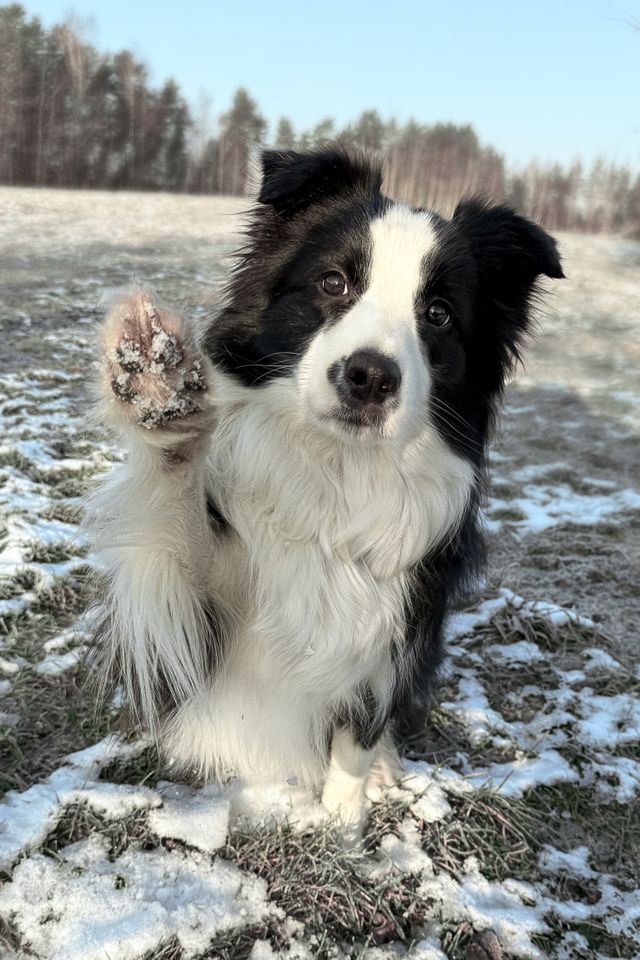
Winter brings beautiful snowy walks, outdoor adventures, and plenty of fun for our four-legged friends. But while your dog enjoys exploring the winter wonderland, their paws face some serious challenges. ❄️
Freezing temperatures, icy surfaces, road salt, and chemical de-icers can dry out sensitive paw pads, cause irritation, and lead to painful cracks or injuries.
Many dog owners make one common mistake: they simply wipe their dog's paws with a towel after every walk and assume that's enough.
But proper winter paw care involves much more than removing snow and dirt.
In this guide, you'll discover how to clean, moisturize, and protect your dog's paws during winter so they stay healthy, comfortable, and ready for every adventure.
❄️ Why Are Dogs' Paws More Sensitive in Winter?
Although dog paw pads are naturally tough, they are not completely protected against harsh winter conditions.
Some of the biggest winter threats include:
- Road salt: Can irritate the skin, dry out paw pads, and contribute to painful cracks.
- Freezing temperatures: May worsen dryness and, in extreme conditions, cause frostbite.
- Ice and frozen snow: Can scratch or injure sensitive paw pads.
- Snowballs between the toes: Frozen clumps of snow can become trapped in the fur, causing discomfort and irritation.
- Chemical de-icers: Certain products can irritate the skin and may be harmful if your dog licks them.
Puppies, senior dogs, small breeds, and dogs with sensitive skin may need extra protection during the colder months.
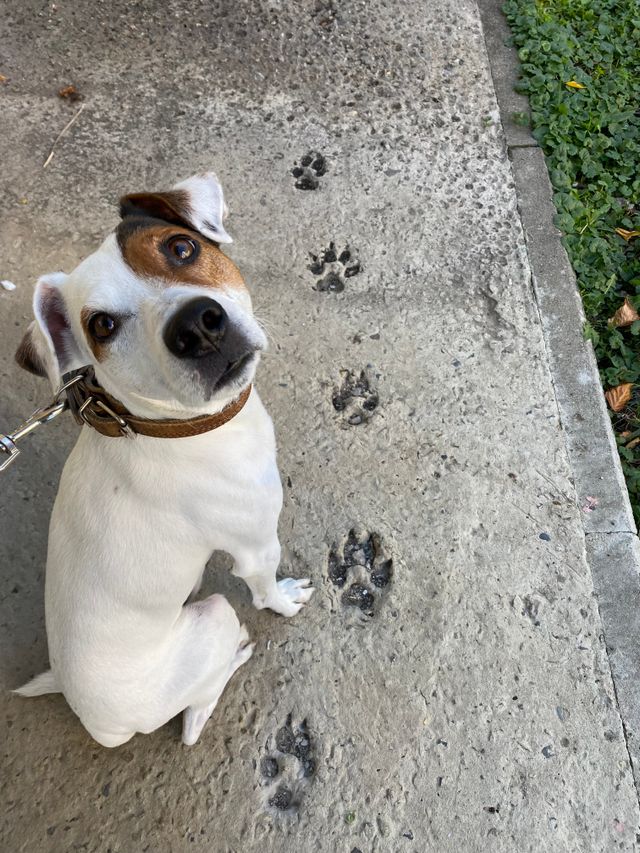
🚫 The Biggest Mistake: Simply Wiping Your Dog's Paws After a Walk
You probably know the routine. You come home from a winter walk, grab a towel, and quickly wipe your dog's paws.
They look clean, so you assume everything is fine.
However, dirt and harmful substances can remain hidden between the toes.
A quick wipe may not remove:
- Road salt and chemical residues
- Mud and environmental dirt
- Small pieces of ice
- Debris trapped between the toes
- Contaminants caught in the fur
What should you do instead?
Rinse your dog's paws with lukewarm water, gently clean away any remaining dirt, and dry them thoroughly. Pay special attention to the areas between the toes.
✅ 7 Essential Tips for Protecting Your Dog's Paws in Winter
1. Rinse Your Dog's Paws After Every Walk
This is one of the most important winter paw care habits.
Use clean, lukewarm water to remove road salt, mud, and other dirt from your dog's paws.
Rinsing is especially important after walking on sidewalks or roads treated with chemical de-icers.
Avoid hot water and harsh cleaning products, as they may irritate sensitive skin.
2. Don't Forget the Areas Between the Toes
Snow, ice, small stones, and road salt often become trapped between your dog's toes.
Gently inspect each paw and remove any visible debris. If your dog has long fur between their toes, keep it neatly trimmed to reduce snow buildup.
Never pull frozen snow clumps out forcefully. Allow them to soften with lukewarm water first.
3. Always Dry the Paws Thoroughly
Moisture trapped between the toes can contribute to skin irritation and inflammation.
After rinsing, use a soft, clean towel to dry each paw carefully.
Don't forget the spaces between the toes. Avoid rubbing too aggressively, as this may damage sensitive skin.
4. Use a Protective Dog Paw Balm
Cold weather and dry indoor air can leave your dog's paw pads rough, dry, and more vulnerable to cracking.
A specially formulated dog paw balm can help moisturize the pads and provide an additional protective barrier.
When choosing a paw balm, look for:
- Products specifically formulated for dogs
- Gentle, dog-safe ingredients
- Moisturizing and protective properties
- Formulas suitable for sensitive skin
- Products that are safe if accidentally licked, according to the manufacturer's instructions
You can also read our guide to choosing the best paw balm for puppies to learn more about protecting delicate paw pads.
Apply the balm according to the product instructions, either before walks for protection or afterward to moisturize dry paw pads.
5. Consider Winter Dog Boots
Some dogs need additional protection during winter, especially when walking on icy or heavily salted surfaces.
Dog boots can be particularly useful for:
- Long walks in deep snow
- Sidewalks covered with road salt
- Dogs with sensitive or previously injured paws
- Extremely cold weather conditions
Choose the correct size and make sure the boots fit comfortably without restricting movement.
Remember that some dogs need time to get used to wearing boots. Introduce them gradually and reward your dog with treats and praise.
6. Shorten Walks During Extremely Cold Weather
Not every dog tolerates cold temperatures equally.
Small breeds, short-haired dogs, puppies, and senior dogs may be more sensitive to freezing conditions.
When temperatures drop significantly, consider taking shorter, more frequent walks instead of one long outdoor adventure.
Watch your dog's behavior carefully.
If your dog starts lifting their paws, shivering, slowing down, or trying to return home, they may be too cold.
7. Check Your Dog's Paw Pads Regularly
Winter is the perfect time to pay extra attention to your dog's paws.
Check for:
- Redness or irritation
- Dry, flaky, or cracked paw pads
- Swelling
- Bleeding
- Excessive licking or chewing
- Limping or sensitivity when touched
If you notice painful cracks, bleeding, swelling, or persistent irritation, contact your veterinarian.
🐾 The Best Way to Clean Your Dog's Paws After a Winter Walk
A dedicated dog paw cleaner can make your daily cleaning routine much easier.
These handy devices usually feature a cup with soft silicone bristles that help remove mud and dirt from hard-to-reach areas around the paws.
Why Use a Dog Paw Cleaner?
Here are some potential benefits:
- Helps clean between the toes
- Makes removing mud and everyday dirt easier
- Soft bristles can be gentle on sensitive paws
- Simplifies your daily paw-cleaning routine
- Helps keep floors, carpets, and furniture cleaner
Important: A paw cleaner should be used gently and according to the manufacturer's instructions. It does not replace thorough rinsing when your dog has been exposed to road salt or chemical de-icers.
Always dry your dog's paws after cleaning.
🧼 How to Use a Dog Paw Cleaner Correctly
Using a paw cleaner is simple:
- Fill the cleaner with lukewarm water according to the manufacturer's instructions.
- Gently place one of your dog's paws inside the cup.
- Move the cup or paw gently to loosen dirt and debris.
- Remove the paw and rinse with clean water if necessary.
- Dry the paw thoroughly with a soft towel.
- Repeat the process with the remaining paws.
If your dog becomes uncomfortable or shows signs of pain, stop and use a gentler cleaning method.
⚠️ Warning Signs: How to Recognize Paw Problems in Winter
Some paw problems may not become noticeable until several hours after a walk.
Pay attention if your dog:
- Constantly licks or chews their paws
- Refuses to walk on cold surfaces
- Limp or repeatedly lifts one paw
- Has swollen or red toes
- Develops cracked or bleeding paw pads
Dry skin can also affect your dog's overall comfort during winter. If you notice itching, flaking, or irritation beyond the paw pads, read our guide on common causes of dry skin in dogs and home remedies.
If you suspect frostbite, serious injury, or significant pain, seek veterinary attention. Do not rub affected areas or use hot water to warm them.
If your dog has swallowed road salt or chemical de-icer, contact your veterinarian immediately for advice.
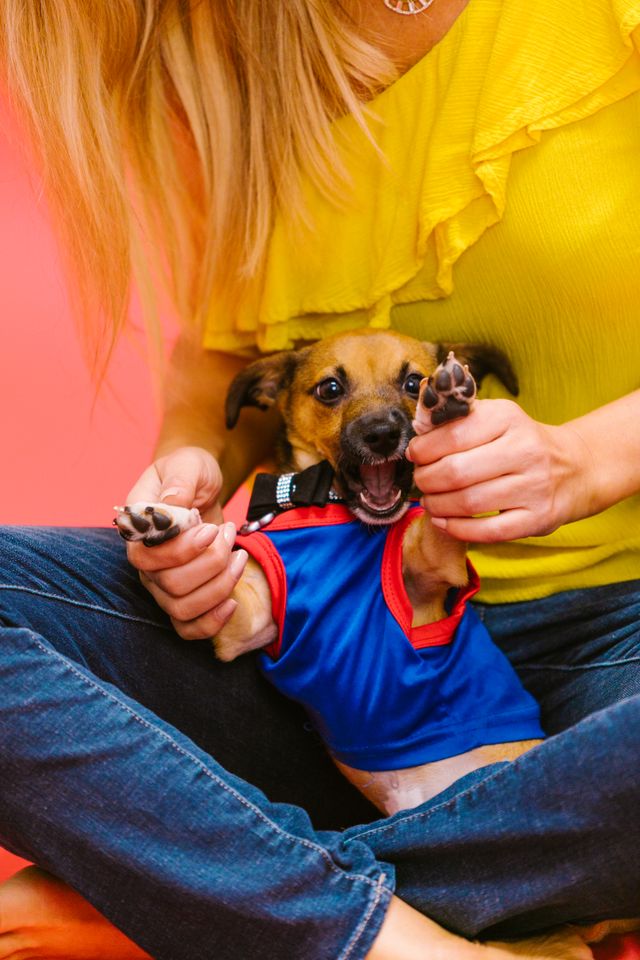
❤️ Final Thoughts: Healthy Paws Mean a Happy Dog
Winter walks can be wonderful for your dog, but don't forget that their paws need extra attention during the colder months.
A few simple habits can make a big difference:
- Rinse your dog's paws after winter walks.
- Remove snow, ice, and debris between the toes.
- Dry the paws thoroughly.
- Apply a suitable protective paw balm when needed.
- Consider dog boots for extra protection.
- Check the paw pads regularly for signs of irritation or injury.
If your dog regularly walks on salted sidewalks or muddy winter trails, a dedicated dog paw cleaner can also be a useful addition to your pet care routine.
Remember: Just a few minutes of proper paw care after every walk can help prevent discomfort and keep your dog's paws healthy throughout winter. 🐶❤️
🐕 One Last Tip!
Save this guide so you can easily follow your dog's winter paw care routine, and share it with other dog owners.
Because every four-legged friend deserves safe, comfortable, and happy winter walks!