
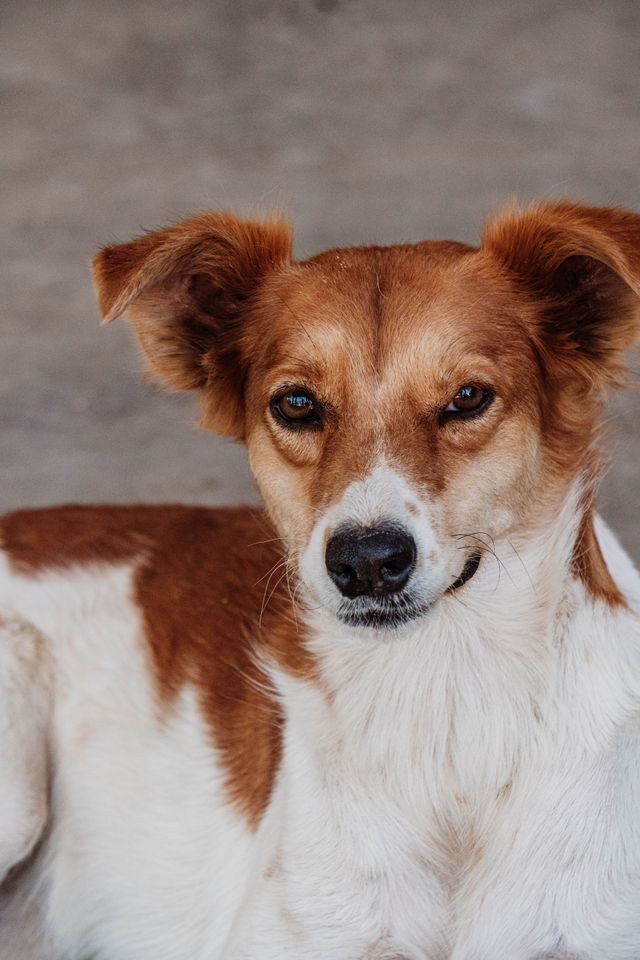
Does your dog bark, jump on visitors, run around excitedly, or seem impossible to control when someone knocks at the front door?
You are not alone. Many dog owners struggle with this behavior, whether they have a tiny terrier, a Labrador, a German Shepherd, or a mixed-breed dog.
The front door can be an exciting place for dogs. It brings unfamiliar sounds, new smells, unexpected visitors, and changes to their routine. What looks like bad behavior is often a combination of excitement, fear, territorial responses, and learned habits.
The good news is that with patience and consistent training, you can teach your dog to respond more calmly when someone arrives.
1. Your Dog Gets Overexcited When Someone Arrives
For many dogs, a doorbell or knock predicts something exciting: a visitor, attention, or an opportunity to interact with someone new.
Your dog may bark, jump, spin in circles, or rush toward the door because they struggle to control their excitement.
If visitors greet your dog while they are jumping or barking, the behavior may become stronger over time. Your dog learns that making a fuss gets attention.
What can you do?
Teach your dog an alternative behavior, such as going to a mat or sitting a short distance from the door. Practise when nobody is visiting, then gradually introduce the sound of a knock or doorbell.
Reward calm behavior and keep greetings low-key until your dog settles.
2. Your Dog Thinks They Need to Protect the Home
Some dogs bark at the front door because they react to people approaching their territory. They may see visitors, delivery drivers, or people passing outside as potential threats.
This behavior can look protective, but it can also be driven by uncertainty or fear.
Avoid shouting at your dog for barking. Your dog may interpret your raised voice as additional excitement or confirmation that something is wrong.
What can you do?
Create some distance between your dog and the door. Use a baby gate or another secure barrier if necessary, and reward your dog for noticing a visitor without rushing forward.
Never force your dog to approach someone they find frightening. If the behavior involves lunging, snapping, or attempts to bite, consult a qualified reward-based trainer or veterinary behavior professional.
A happy, confident dog is often better prepared to handle everyday situations. Discover more ways to improve your dog's well-being in our article: Make Your Dog Happier Every Day.
3. Your Dog Barks at Every Knock or Doorbell
Some dogs react instantly to the smallest sound outside. A knock, doorbell, footsteps, or a delivery van can trigger a barking episode.
Barking is a form of canine communication. Your dog may be alerting you to a sound, expressing excitement, or responding to something that makes them uncomfortable.
The challenge is that repeated barking can become a habit.
For additional advice, read the American Kennel Club's guide to stopping dog barking at the doorbell.
What can you do?
Start by practising with a quiet recording of a doorbell or knock at a low volume. Reward your dog for remaining calm, and increase the volume gradually only while they remain comfortable.
Keep sessions short. If your dog starts barking intensely, make the exercise easier rather than repeating the sound until they become overwhelmed.
You can also reduce visual triggers by closing curtains or moving your dog's resting area away from the front window.
4. Your Dog Jumps on Visitors
Jumping is common in dogs who want to greet people. Dogs naturally approach faces, and jumping may have worked in the past because visitors responded by talking, touching, or pushing the dog away.
Even negative attention can reinforce the behavior.
What can you do?
Teach your dog that greeting people happens when all four paws are on the floor. Ask visitors to wait calmly and avoid giving attention while your dog jumps.
Reward calm greetings generously. For safety, keep your dog on a lead or behind a secure barrier when visitors first arrive, especially if your dog is large or easily overwhelmed.
5. Your Dog Runs Straight Out When the Door Opens
Some dogs see an open door as an opportunity to explore. They may rush outside before you can react, creating a serious safety risk.
This behavior is not simply a training nuisance. A dog running onto a road or approaching an unfamiliar person or animal can be injured.
What can you do?
Practise waiting at doorways. Teach your dog to pause while you touch the handle, open the door slightly, and gradually increase the opening only when your dog remains in place.
The American Kennel Club offers guidance on teaching your dog to wait at doorways.
Until your dog is reliable, use a lead, a secure gate, or another physical barrier. Never rely on training alone to prevent an escape while your dog is still learning.

6. Your Dog Becomes Frightened or Aggressive Around Visitors
Not every dog is excited to meet new people. Some bark, hide, growl, or lunge because they feel worried or threatened.
Punishing these reactions can make the situation worse by increasing fear and suppressing warning signals.
What can you do?
Give your dog space and let them remain at a comfortable distance from visitors. Ask guests not to stare at, reach toward, or approach your dog.
Reward calm behavior without forcing interaction. If your dog has a history of snapping or biting, arrange professional help before allowing close contact with visitors.
The American Veterinary Society of Animal Behavior's position statements provide guidance on humane, evidence-based approaches to animal behavior and training.
7. How to Teach Your Dog Better Front-Door Manners
Consistency is more important than trying to correct every behavior at once.
Start with these simple steps:
- Practise without visitors. Teach your dog to settle on a mat or sit away from the door.
- Introduce door sounds gradually. Begin with quiet knocks or a low-volume doorbell recording.
- Reward calm responses. Give treats and praise when your dog stays relaxed or returns their attention to you.
- Manage real arrivals. Use a lead, baby gate, or secure room while your dog is learning.
- Keep greetings predictable. Ask visitors to wait until your dog is calm before approaching.
- Practise regularly. Short, positive sessions are usually more effective than long sessions that leave your dog overwhelmed.
If you are working on general obedience and household routines, our guide to First Week Puppy Training can help you establish good habits from the beginning.
Good manners start with consistent everyday habits. If you want to understand what well-behaved dogs have in common, take a look at our guide: Is Your Dog Well Behaved?
When Should You Seek Professional Help?
Occasional barking or excitement at the door is common, but some behaviors need extra support.
Seek professional guidance if your dog lunges at visitors, attempts to bite, becomes increasingly fearful, or cannot settle even when given distance and time.
If the behavior starts suddenly or is accompanied by other changes, consult your veterinarian to rule out pain or an underlying medical issue.

Final Thoughts
A dog that behaves badly at the front door is not necessarily being stubborn or deliberately disobedient. Excitement, fear, territorial responses, and learned habits can all contribute to the problem.
With calm handling, reward-based training, and safe management, you can help your dog learn that visitors do not require a barking frenzy or an uncontrolled rush to the door.
Be patient, practise in small steps, and celebrate progress. Even small improvements can make arrivals safer and more pleasant for everyone.
Remember: The goal is not to stop your dog from communicating. It is to help them feel safe and learn a calmer way to respond.