
For many dog owners, the period between 8 and 12 weeks old is one of the most exciting stages of puppyhood. This is often when puppies leave their mother and littermates and begin life with their new families.
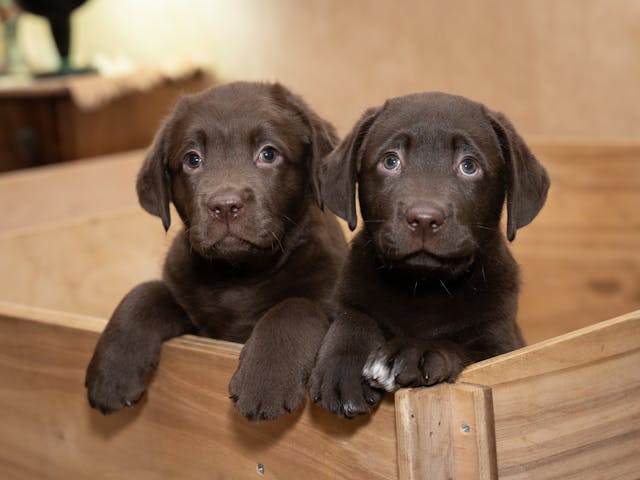
While this stage is filled with cuddles, playtime, and adorable moments, it's also a critical period for learning and development. Puppies are like little sponges at this age, absorbing information about the world around them every day.
Let's explore the major milestones of puppy development from 8 to 12 weeks and how you can help your puppy grow into a confident, happy companion.
What Happens Between 8 and 12 Weeks?
By 8 weeks old, puppies are much more independent than they were just a few weeks earlier.
During this stage, puppies:
- Move confidently
- Learn quickly
- Develop stronger personalities
- Form bonds with people
- Begin basic training
- Explore new environments
- Continue social development
Everything your puppy experiences now helps shape future behavior.
Bringing Your Puppy Home
For many puppies, 8 weeks marks the beginning of life in a new home.
This transition can be exciting but also overwhelming.
Your puppy is adjusting to:
- New people
- New smells
- Different sounds
- New sleeping arrangements
- Separation from littermates
Patience is important during the first few days.
Keep routines simple and provide plenty of reassurance.
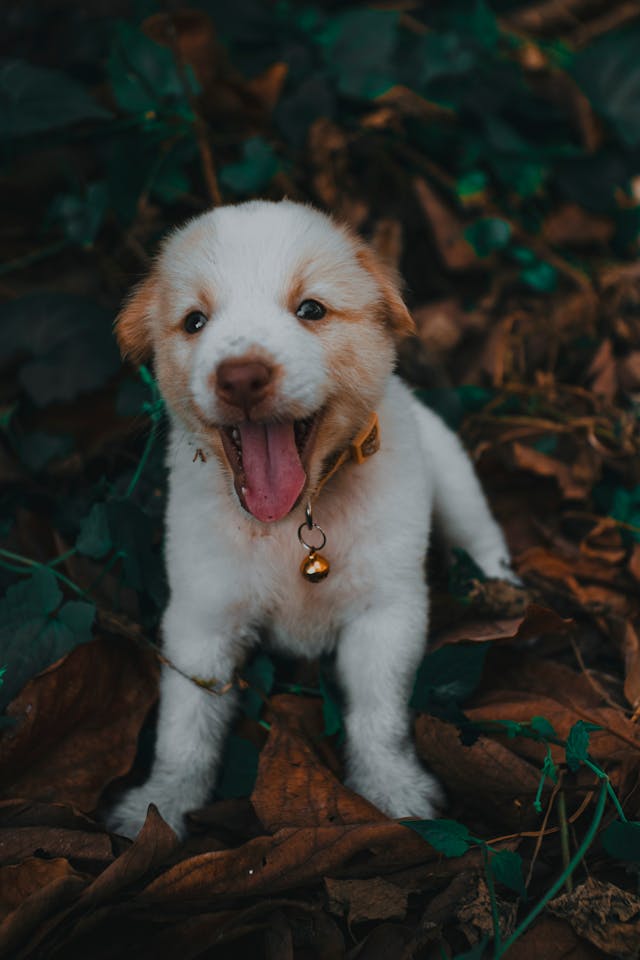
One of the most important aspects of puppy development between 8 and 12 weeks is socialization.
Puppies are naturally curious at this age and more open to new experiences.
Positive exposure to different situations can help prevent fear later in life.
Introduce your puppy to:
- Different people
- Household sounds
- Car rides
- Various surfaces
- Gentle handling
- New environments
Keep every experience positive and safe.
Learning Their Name
Most puppies can learn their name surprisingly quickly.
A simple approach works best:
- Say your puppy's name.
- Reward attention with praise or a small treat.
- Repeat regularly.
Within a few weeks, many puppies respond consistently when called.
House Training Begins
Potty training usually starts as soon as a puppy arrives home.
Success comes from consistency.
Helpful tips include:
- Frequent bathroom breaks
- Regular feeding schedules
- Praise for successful potty trips
- Supervision indoors
Accidents are normal during this stage.
Patience and routine produce the best results.
Teething and Chewing
Puppies love to chew.
Between 8 and 12 weeks, chewing becomes an important part of development.
Chewing helps:
- Relieve discomfort
- Explore objects
- Reduce boredom
- Support healthy tooth development
Providing appropriate chew toys can save your shoes, furniture, and other household items.
Basic Training Starts Now
Many owners are surprised by how much puppies can learn during this period.
Simple commands include:
- Sit
- Come
- Leave it
- Stay
- Down
Training sessions should remain short, fun, and rewarding.
Five-minute sessions often work better than longer ones.
Sleep Requirements
Despite their bursts of energy, puppies still need plenty of sleep.
Most puppies between 8 and 12 weeks sleep:
- 16 to 18 hours per day
Sleep supports:
- Growth
- Brain development
- Learning
- Emotional regulation
An overtired puppy may actually appear hyperactive.
Feeding an 8 to 12 Week Old Puppy
Growing puppies require proper nutrition.
Most puppies at this age eat:
- Three to four meals per day
Choose a high-quality puppy food that supports healthy growth and development.
Fresh water should always be available.
Building Confidence
Confidence develops through positive experiences.
Allow your puppy to:
- Explore safely
- Meet friendly people
- Encounter new sights and sounds
- Learn at their own pace
Avoid forcing interactions that create fear or stress.
Confident puppies often become well-adjusted adult dogs.
Common Puppy Behaviors
Nipping and Mouthing
Puppies explore the world with their mouths.
Instead of punishment:
- Redirect to toys
- End play briefly if biting becomes excessive
- Reward calm behavior
Zoomies
Sudden bursts of energy are completely normal.
Many puppies run wildly around the house before settling down for a nap.
Attention Seeking
At this age, puppies are forming strong bonds with their families and often seek interaction throughout the day.
Veterinary Care and Vaccinations
Most puppies receive important veterinary care during this period.
Your veterinarian may discuss:
- Vaccination schedules
- Parasite prevention
- Nutrition
- General health checks
Following veterinary recommendations helps support healthy development.
Recommended Products for 8 to 12 Week Old Puppies
Puppy Crate
MidWest Homes Store
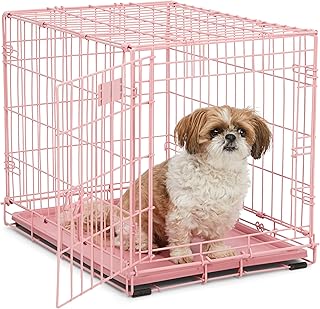
A properly sized crate can help with:
- House training
- Safe sleeping
- Creating routine
- Travel preparation

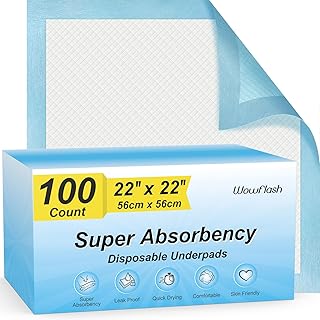
Puppy Training Pads
Training pads can be useful during the early stages of house training, especially for apartment living
Brand : Wowflash
Look for:
- Durable materials
- Puppy-safe designs
- Different textures
Chew toys help redirect unwanted chewing behavior.
Interactive Puppy Toys
Brand :PatsFran
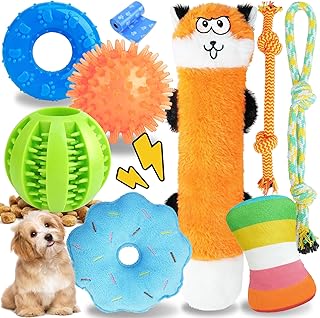
Interactive toys provide mental stimulation and help prevent boredom.
If you're following your puppy's journey, be sure to read:
Read our article: Newborn Puppies: Birth to 2 Weeks
Continue reading: Puppy Development: 2 to 4 Weeks
Read next: Puppy Development: 4 to 8 Weeks
These articles cover every major stage of puppy growth and development.
FAQ
How old should a puppy be when it goes to a new home?
Most puppies are ready to join their new families at around 8 weeks of age.
How much sleep does an 8-week-old puppy need?
Most puppies need approximately 16 to 18 hours of sleep daily.
When should puppy training begin?
Basic training can begin as soon as a puppy arrives home.
Why does my puppy bite everything?
Chewing and mouthing are normal puppy behaviors used for exploration and teething relief.
How often should an 8-week-old puppy eat?
Most puppies benefit from three to four meals per day.
What is the most important thing to teach a young puppy?
Socialization, house training, and responding to their name are among the most important early lessons.
Are accidents during potty training normal?
Yes. Accidents are expected while puppies learn proper bathroom habits.
The period between 8 and 12 weeks is one of the most important stages in a puppy's life. Puppies are learning about the world, forming relationships, developing confidence, and building habits that may last a lifetime.
By focusing on positive socialization, gentle training, proper nutrition, and plenty of patience, you can help your puppy grow into a happy, confident, and well-behaved adult dog.
Enjoy every moment of this stage—it passes faster than most puppy owners expect! 🐶❤️
“This article may contain affiliate links. As an affiliate partner, we may earn a small commission at no extra cost to you.”