
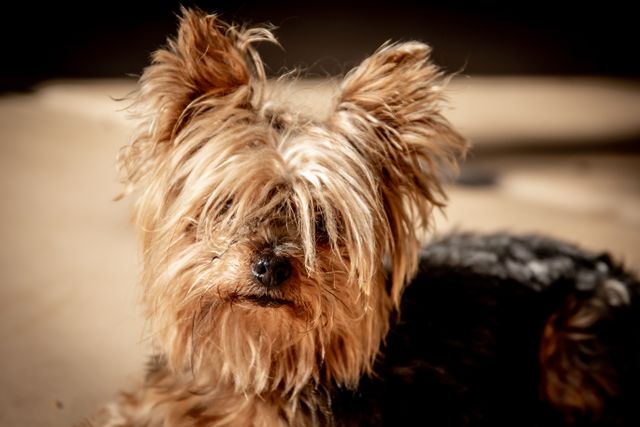
Your dog's fluffy face may be adorable—but can they actually see through all that hair?
For many long-haired dogs, the hair around the eyes keeps growing until it starts covering their vision. What looks cute in photos can become uncomfortable in everyday life, trapping dirt, collecting tear stains, and making it harder for your dog to see the world around them.
The good news is that you don't need to be a professional groomer to help. With the right tools, a calm approach, and a little patience, you can safely trim the hair around your dog's eyes while protecting one of their most sensitive areas.
🎥 Watch the video first to see the grooming technique in action:
Why Keeping the Hair Around the Eyes Trimmed Matters
Breeds such as Shih Tzus, Maltese, Havanese, Yorkshire Terriers, and many Doodle mixes often grow long facial hair that naturally falls over their eyes.
When that happens, your dog may struggle to see clearly while walking, playing, or exploring unfamiliar places. Long hair can also collect dirt, trap moisture, and make it more difficult to notice redness or excessive tearing.
Regular trimming can help:
- improve visibility
- reduce tear stains
- keep the eye area cleaner
- make daily eye care easier
- allow you to spot eye problems sooner
Keeping the hair tidy isn't about appearance—it's about helping your dog stay comfortable.
If you notice persistent redness, excessive tearing, or eye discharge, it's important to have your dog examined by a veterinarian.The American Kennel Club's guide to eye care in dogs explains common eye problems and when professional care is needed.
A Calm Dog Is Your Best Safety Tool
Many owners think the secret to trimming around the eyes is choosing the right scissors.
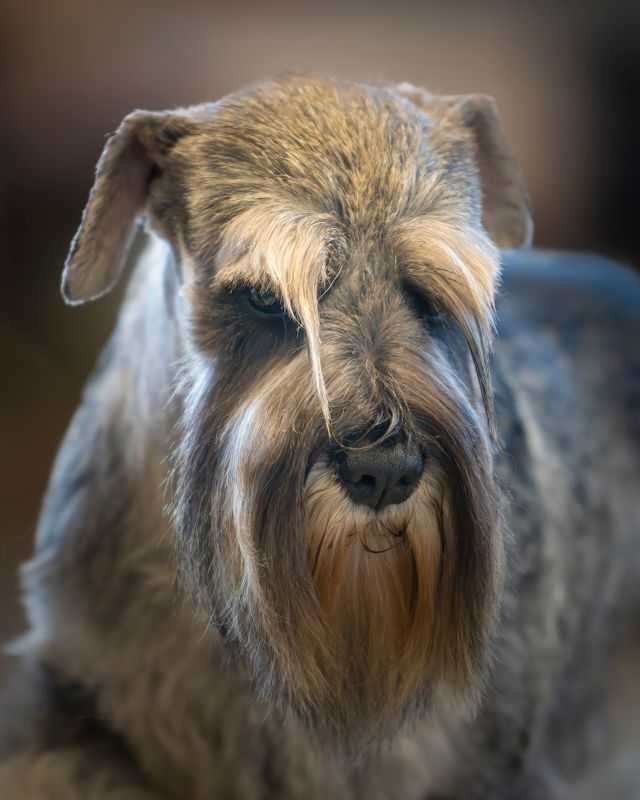
Experienced groomers know the real secret is having a relaxed dog.
If your dog keeps turning their head or pulling away, even the safest grooming scissors can become dangerous.
Before you begin, spend a few minutes helping your dog settle down. Speak calmly, offer praise or treats, and avoid rushing the process.
Sometimes taking a short break is the safest decision you can make.
Gentle Handling Builds Trust
Professional groomers rarely rely on force.
Instead, they use gentle handling techniques that help the dog feel secure while keeping the head as still as possible.
Avoid holding your dog's head tightly or forcing them into position.
If your puppy or adult dog is still learning to enjoy grooming, keep each session short and positive. A few successful minutes are far better than one stressful experience.
Helping your dog stay calm during grooming starts long before you pick up the scissors. Our article Are You Picking Up Your Puppy Wrong? explains how gentle handling builds trust and confidence from an early age.
Choose the Right Grooming Tools
Because you're working close to the eyes, safety should always come first.
Use rounded-tip grooming scissors designed for pets and make sure you're working in a bright, well-lit area.
If you can't clearly see where the hair ends and your dog's eye begins, stop and adjust your position before making another cut.
Good visibility helps prevent accidents.
Trim Small Amounts at a Time
There's no need to remove a large amount of hair.
Lift the hair gently with a fine comb or your fingers and trim only the strands covering your dog's eyes.
Work slowly and pause every few snips to let your dog relax.
Remember—you can always trim a little more, but you can't put the hair back.
Watch for Signs Your Dog Needs a Break
Dogs often show subtle signs when they're becoming uncomfortable.
Pause the grooming session if your dog repeatedly:
- turns their head away
- licks their lips
- yawns
- pulls backwards
- paws at your hands
- becomes restless
Respecting these signals helps build trust and makes future grooming sessions much easier.
When It's Better to Visit a Professional Groomer
Some situations are simply safer in experienced hands.
Consider booking a grooming appointment if:
- the hair around the eyes is badly matted
- your dog won't stay still
- your dog becomes frightened or aggressive during grooming
- you don't feel confident trimming so close to the eyes
- you notice redness, swelling, excessive tearing, or unusual eye discharge
Your dog's safety should always come before finishing the haircut.
Key Takeaways
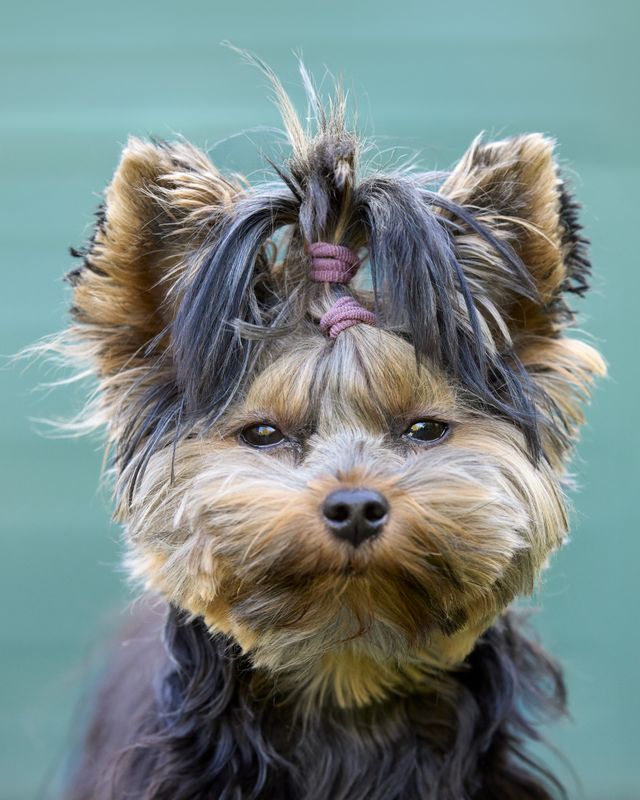
Trimming the hair around your dog's eyes isn't about making them look perfect—it's about helping them see comfortably and protecting their eye health.
Take your time, use the right tools, and never rush a nervous dog. A calm approach, gentle handling, and a few careful snips are often all that's needed to keep your dog's face clean, comfortable, and safe.
Conclusion
Keeping the hair around your dog's eyes neatly trimmed isn't about appearance—it's about helping them see clearly and stay comfortable every day.
The safest trims are always the calmest ones. Take your time, use the right grooming tools, and never force your dog if they're feeling anxious. A few careful snips can improve your dog's comfort, but if you're ever unsure or your dog becomes stressed, there's nothing wrong with asking a professional groomer for help.
Grooming is easier when your dog is comfortable being handled. Keeping sensitive areas tidy is equally important, so you may also like our guide How to Safely Trim You Dog's Sanitary Area at Home.
With patience and gentle handling, grooming can become a positive experience that strengthens the trust between you and your dog.
FAQ
How often should I trim the hair around my dog's eyes?
Most long-haired breeds benefit from a light trim every 3–6 weeks, depending on how quickly their coat grows.
Can I use regular household scissors?
No. Rounded-tip grooming scissors designed for pets are much safer around the eyes.
What if my dog won't stay still?
Stop and try again later. Never force your dog or continue trimming if they're struggling.
Should I trim all the hair around my dog's eyes?
No. Remove only the strands that block your dog's vision or cause irritation. The remaining facial hair still helps protect the eyes.
When should I leave eye trimming to a professional groomer?
If your dog is anxious, has heavily matted facial hair, or you don't feel confident trimming near the eyes, it's safest to let a professional handle the job.