
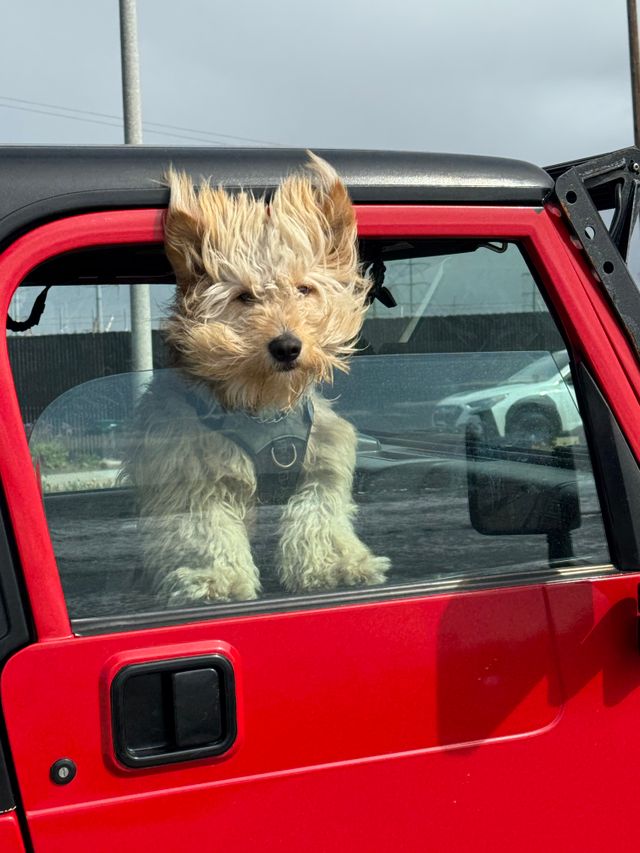
There’s something special about seeing the world through your dog’s eyes. A quiet forest trail, a new beach, a weekend road trip, or even a walk through a different neighborhood can feel like a brand-new adventure when your best friend is beside you.
But while dogs love exploring, they also rely on us to make those experiences safe and enjoyable. A little preparation can mean the difference between a fun outing and a stressful one.
If you're planning your next adventure together, here are the most important dos and don'ts every dog owner should know.
Start with Your Dog's Comfort, Not Your Plans
It's easy to get excited about visiting new places, but remember that every dog experiences the world differently.
A confident Labrador may happily greet everyone on a busy trail, while a shy rescue dog could feel overwhelmed by the same environment. Instead of expecting your dog to adapt instantly, let them explore at their own pace.
The goal isn't to cover the most miles—it's to create positive experiences your dog will enjoy.
Do: Bring the Essentials
Leaving home with just a leash often isn't enough.
A small travel bag can make every outing much easier. Consider packing:
- fresh water and a portable bowl
- poop bags
- healthy treats for rewards
- a long leash if allowed
- a towel for muddy paws
- your dog's ID and updated microchip information
If you're spending several hours outdoors, don't forget snacks for both you and your dog.
Don't: Push Your Dog Beyond Their Limits
Not every dog enjoys long hikes or crowded places.
Watch for signs your dog needs a break:
- excessive panting
- slowing down
- refusing to walk
- hiding behind you
- constant yawning or lip licking
These can all indicate stress or fatigue. Giving your dog time to rest is always better than trying to finish the planned route. Learning to recognize these signals helps prevent fear and exhaustion.
Let Your Dog Explore… Safely
Dogs don't experience new places the way humans do.
For them, every smell tells a story. Allowing your dog to sniff during walks isn't wasting time—it's an important form of mental enrichment.
At the same time, keep your dog under control, especially near roads, wildlife, or unfamiliar dogs. Reliable recall should always come before off-leash freedom.
Before visiting national parks, beaches, or other public spaces, it's worth checking local leash regulations and pet access rules through your area's official park or tourism website.
If your dog still gets distracted easily outside, our guide on Why Does Your Dog Listen at Home but Ignore You Outside? offers simple training tips that can help.
Don't Force Social Interactions
Many people assume every dog wants to meet every other dog.
That's simply not true.
Some dogs prefer keeping their distance, and that's perfectly normal.
Always ask another owner before allowing dogs to greet each other, and never force an interaction if either dog seems uncomfortable. Respecting your dog's boundaries builds trust and prevents unnecessary conflicts.
Prepare for Weather Changes
A pleasant morning can quickly become a hot afternoon.
During warmer months:
- avoid walking on hot pavement
- carry extra water
- take frequent shade breaks
- never leave your dog inside a parked car
Cold weather also requires planning, especially for small, senior, or short-haired dogs.
Your dog's comfort should always come before reaching your destination.
Hot weather can become dangerous much faster than many owners expect. For more tips on recognizing heat stress and protecting your dog during summer walks, read our guide How to Keep Your Dog Safe in Hot Weather.
Keep Adventures Positive
Your dog doesn't care how far you travel.
They care about spending time with you.
Some of the happiest memories happen during simple walks, quiet picnics, or exploring a local park together.
Confidence grows slowly, and positive experiences help your dog become more relaxed in new environments over time.
Final Thoughts
The best adventures aren't measured by how far you travel—they're measured by how safe, relaxed, and happy your dog feels along the way.
Take your time, pay attention to your dog's body language, and enjoy discovering the world together. Every walk is another opportunity to strengthen the bond you share.
FAQ
How long should an outdoor adventure be?
That depends on your dog's age, fitness, breed, and the weather. Let your dog's energy level guide the outing instead of following a fixed schedule.
Is it okay to take my puppy everywhere?
Young puppies benefit from safe socialization, but avoid high-risk public areas until your veterinarian confirms they're fully protected through vaccinations. Safe, positive experiences remain important during early development.
What if my dog seems nervous in new places?
Slow down, create distance from whatever is causing concern, reward calm behavior, and never force your dog into situations that make them uncomfortable.
Should I let strangers pet my dog?
Only if your dog appears relaxed and you feel comfortable. Some dogs enjoy attention, while others prefer space.