
If your dog loves rolling in the grass, exploring the woods, or relaxing in the backyard during warm weather, insects are part of the adventure. Unfortunately, mosquitoes, fleas, and ticks are not just annoying — they can also cause serious health problems for dogs.
Many dog owners notice scratching or small red bumps and assume it is nothing important. But a single flea can quickly turn into an infestation, and one tick bite may expose your dog to dangerous diseases. The good news is that prevention is much easier than treatment.

In this guide, you will learn how to protect your dog from bug bites naturally and effectively, how to spot warning signs early, and which products can help keep your furry friend comfortable all season long.
Why Bug Bites Are Dangerous for Dogs
Not every insect bite is serious, but some can create long-term health issues if ignored.
Mosquitoes
Mosquitoes are more than a summer nuisance. They can carry heartworm disease, one of the most dangerous conditions for dogs. Heartworms grow inside the heart and lungs and may lead to breathing problems, exhaustion, or even heart failure.
Dogs that spend time outdoors in the evening are especially at risk because mosquitoes are most active at dusk.
Fleas
Fleas reproduce incredibly fast. One flea can turn into hundreds in your home within weeks. Besides intense itching, fleas may cause:
- Skin irritation
- Hair loss
- Allergic reactions
- Hot spots
- Anemia in puppies
Some dogs are highly sensitive to flea saliva, meaning even a few bites can cause severe discomfort.
Ticks
Ticks are common in parks, forests, gardens, and tall grass. They attach to your dog’s skin and feed on blood.
Ticks can transmit serious diseases including:
- Lyme disease
- Ehrlichiosis
- Anaplasmosis
Early removal is extremely important because the longer a tick stays attached, the higher the risk of infection.
Common Signs Your Dog Has Been Bitten
Dogs cannot tell us when something feels wrong, so it helps to watch for small behavioral changes.
Here are some common signs of bug bites in dogs:
- Excessive scratching or licking
- Red or swollen skin
- Small bumps or scabs
- Hair loss
- Restlessness
- Biting at paws or tail
- Fatigue after outdoor activities
If you notice difficulty breathing, facial swelling, vomiting, or weakness after a sting, contact a veterinarian immediately because it may be an allergic reaction.
Summer walks can also harm your dog´s paws, especially on hot pavement.
How to Protect Your Dog from Fleas and Ticks
Prevention works best when it becomes part of your regular pet care routine.
Check Your Dog After Walks
After every walk in nature, inspect your dog carefully.
Pay close attention to:
- Around the ears
- Neck area
- Under the collar
- Between the toes
- Belly and armpits
- Around the tail
Ticks love hidden warm areas.
Keep Your Yard Clean
A messy yard creates the perfect environment for fleas and ticks.
Trim tall grass regularly, remove leaves, and avoid letting moisture collect around the garden. Fleas and ticks thrive in damp shaded areas.
Wash Bedding Frequently
Your dog’s bed may hide flea eggs.
Wash blankets, cushions, and soft toys regularly using warm water. Vacuum carpets and furniture often during flea season.
Use Preventive Products
Many pet owners use flea and tick prevention products year-round.
Popular options include:
- Flea collars
- Tick sprays
- Oral treatments
- Spot-on treatments
- Natural repellents
Always choose products designed specifically for dogs. Some ingredients safe for humans can be toxic to pets.
Natural Ways to Reduce Bug Exposure
Many dog owners prefer combining traditional prevention with natural methods.
Here are a few simple ways to reduce insect exposure naturally.
Avoid Peak Mosquito Hours
Mosquitoes are most active early in the morning and late in the evening.
Try scheduling walks during daylight hours when possible.
Keep Standing Water Away
Mosquitoes breed in standing water.
Empty outdoor bowls, buckets, and containers regularly.
Use Dog-Safe Natural Sprays
Some pet-safe sprays contain ingredients like:
- Cedarwood oil
- Lemongrass
- Neem oil
These may help reduce insects around your dog naturally.
Never use essential oils without checking that they are safe for dogs.
Keeping your dog safe becomes easier with the right tools. Here are some popular pet essentials many dog owners use during flea and tick season.
Flea & Tick Collars
Hartz Store
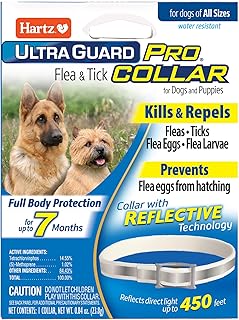
A quality flea collar can provide long-lasting protection during outdoor adventures.

Tick Removal Tools
TickCheck Store
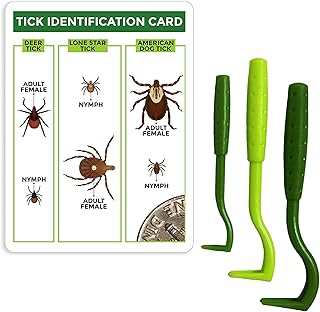
Every dog owner should keep a tick remover in their pet first-aid kit.
Dog-Friendly Bug Sprays
Zevo Store
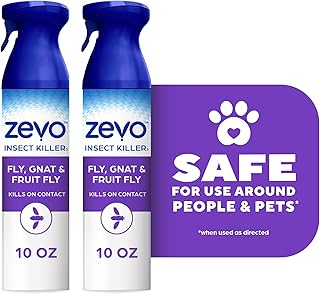
Natural sprays are useful for hikes, camping trips, and evenings outdoors.
Flea Shampoo
Wondercide Store
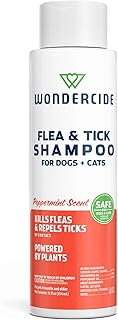
Flea shampoos can help soothe itchy skin and remove fleas after exposure.
What to Do If You Find a Tick
Finding a tick on your dog can feel stressful, but staying calm is important.
Follow these steps:
- Use tweezers or a tick removal tool.
- Grab the tick close to the skin.
- Pull slowly and steadily.
- Do not twist or crush the tick.
- Clean the area afterward.
- Wash your hands thoroughly.
Monitor your dog for unusual symptoms during the following weeks.
When to Visit a Veterinarian
Some bug bites require professional care.
Contact your veterinarian if your dog experiences:
- Fever
- Loss of appetite
- Severe itching
- Swelling
- Trouble breathing
- Weakness
- Joint pain
- Persistent skin infections
Fast treatment can prevent more serious complications.
FAQ
Can mosquitoes really harm dogs?
Yes. Mosquitoes can transmit heartworm disease, which may seriously affect a dog’s heart and lungs.
How often should I check my dog for ticks?
It is best to check your dog after every outdoor walk, especially after visiting wooded or grassy areas.
Are natural flea remedies safe?
Some natural products are safe, but not all essential oils are suitable for dogs. Always use pet-safe products.
Can fleas live inside my house?
Yes. Fleas can hide in carpets, bedding, furniture, and cracks in floors.
What is the safest way to remove a tick?
Use a proper tick removal tool or tweezers and pull slowly without twisting.
Do indoor dogs need flea protection?
Yes. Fleas can enter homes on shoes, clothing, or other pets.
What months are ticks most active?
Ticks are usually most active during spring, summer, and early autumn, but in some areas they survive year-round.
Can bug bites cause allergies in dogs?
Yes. Some dogs develop allergic reactions to flea bites or insect stings.
Warm weather should be fun for both dogs and their owners. Whether your dog enjoys hiking, beach trips, backyard playtime, or long park walks, protection against mosquitoes, fleas, and ticks is essential.
A simple prevention routine can save your dog from discomfort and help avoid expensive veterinary bills later.
Regular grooming, yard maintenance, daily checks, and reliable flea and tick products all work together to keep your furry companion healthy and happy.
Because when dogs feel comfortable outdoors, they can fully enjoy the adventures they love most.
We may earn a commission from recommended products in this article.