
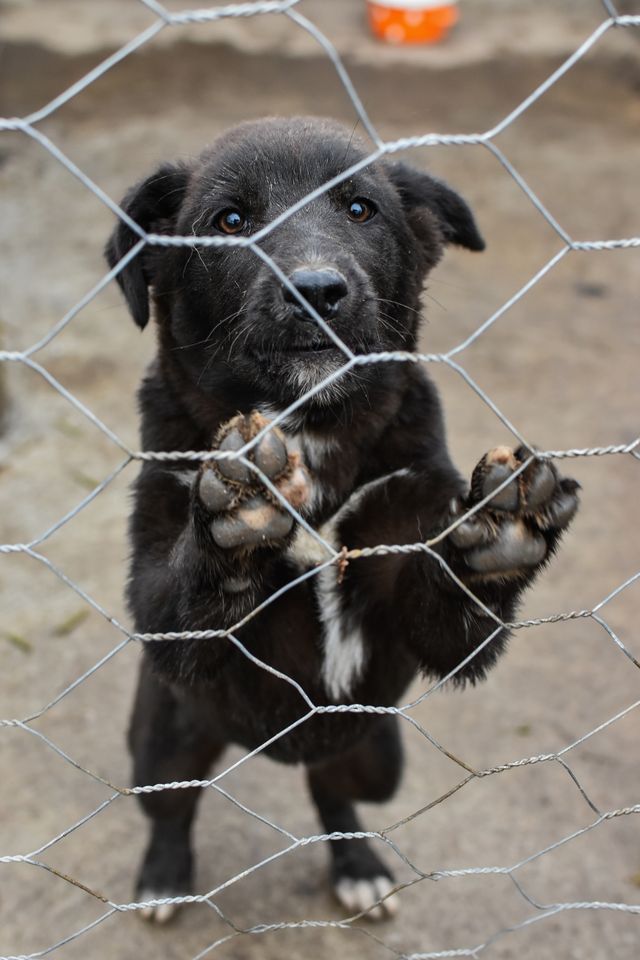
Puppies use their paws for almost everything — running, playing, exploring new surfaces, and discovering the world. Their paw pads are designed to handle a lot, but extreme weather, rough ground, hot pavement, ice, and road salt can sometimes leave them dry, irritated, or cracked.
That doesn't mean every puppy needs paw balm.
For some puppies, simple paw care is enough. For others, especially those exposed to harsh weather or rough surfaces, a dog-safe paw balm can be useful as part of a gentle paw-care routine.
The important thing is knowing when a balm can help and when your puppy needs something more than a moisturizer.
When Can Paw Balm Help a Puppy?
Paw balm is mainly used to moisturize and protect the surface of the paw pads.
It may be useful when your puppy has:
- mildly dry or rough paw pads
- small areas of dryness caused by weather
- paws exposed to cold, ice, or road salt
- frequent walks on rough surfaces
- paw pads that become dry after spending time outdoors
Cold weather can contribute to chapped or cracked paw pads, while ice and de-icing products can irritate the skin.
However, a balm isn't a treatment for every paw problem.
Does Every Puppy Need Paw Balm?
No.
If your puppy has healthy, soft paw pads and walks mostly on safe surfaces, there may be no reason to use a balm regularly.
A better approach is to check your puppy's paws regularly and pay attention to changes.
Look for:
- dryness or flaking
- cracks
- redness
- swelling
- tenderness
- excessive licking
- limping
Regularly checking the paws is a simple part of keeping track of your dog's overall health.
What Can Make Puppy Paws Dry or Irritated?
Several everyday situations can put extra stress on paw pads.
Cold Weather
Snow, ice, and freezing surfaces can dry and irritate paw pads. Ice can also collect between the toes, particularly in dogs with longer hair around their feet.
Hot Pavement
Pavement can become extremely hot during summer. Walking on very hot surfaces can cause painful burns.
A simple rule is useful: if a surface is too hot for your bare hand or feet, it is probably too hot for your dog's paws.
Road Salt and De-Icing Products
Salt and other de-icing substances can irritate paw pads. Dogs may also lick these substances from their feet after a walk.
After winter walks, wiping or rinsing your puppy's paws can help remove residue.
Rough Surfaces
Long walks on rough pavement, gravel, or other abrasive surfaces can cause irritation, particularly if a puppy isn't accustomed to them yet.
How to Care for Your Puppy's Paws
You don't always need a product.
A few simple habits can make a big difference.
Check the paws regularly
Get your puppy used to having their paws gently touched and inspected. Starting this when your puppy is young can also make future grooming and veterinary examinations easier.
Clean paws after walks
In winter, rinse or wipe away salt, ice, and dirt.
In summer, check the pads for signs of heat irritation or small injuries.
Bathing your puppy too often can dry out the skin and paw pads, so it’s important to keep baths gentle and appropriate for your puppy’s needs. Learn more about How Often Should You Bathe a Puppy?.
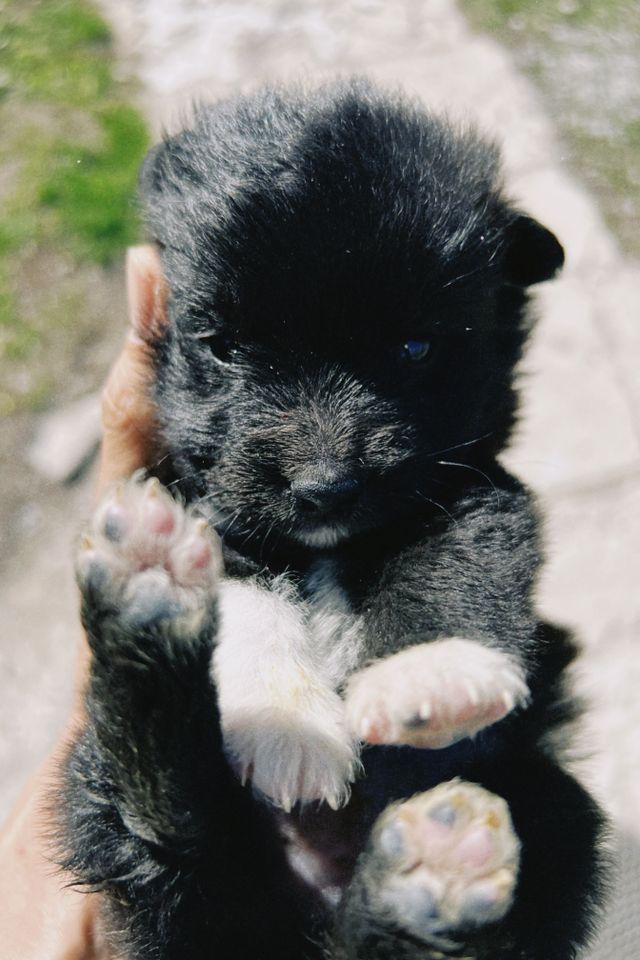
Keep the hair around the paws tidy
For puppies with longer hair, keeping excessive hair around the feet trimmed can help prevent ice and debris from collecting between the toes.
Avoid very harsh surfaces
Puppies don't need to spend long periods walking on hot pavement or rough surfaces. Gradually introduce them to different walking environments.
How to Use Paw Balm Safely
If you decide that your puppy could benefit from a balm, choose one made specifically for dogs and follow the manufacturer's directions.
Use only a small amount and massage it gently into the paw pads.
Give your puppy a little time to leave the balm alone rather than immediately licking it off.
It's also a good idea to introduce paw care gradually. Puppies that learn to have their paws handled calmly are usually easier to groom and examine later.
Don't apply random human creams or ointments to your puppy's paws unless your veterinarian has specifically recommended them.
When Paw Balm Isn't Enough
This is important.
A balm is not a substitute for veterinary treatment when a paw is injured.
Contact your veterinarian if your puppy has:
- a deep crack or open wound
- bleeding that doesn't stop
- a badly torn paw pad
- significant swelling
- severe redness
- exposed tissue
- pus or a bad smell
- obvious pain
- persistent limping
Torn or burned paw pads can be painful and may take time to heal. Veterinary attention is recommended for significant injuries.
If your puppy suddenly starts licking one paw repeatedly or refuses to walk normally, don't assume that dry skin is the cause.
Paw Balm or Prevention?
In many cases, prevention is more useful than simply applying a product.
Before reaching for a balm, think about the environment your puppy is walking in.
During winter:
- avoid heavily salted areas when possible
- wipe your puppy's paws after walks
- remove ice from between the toes
- consider protective booties if your puppy tolerates them
During hot weather:
- avoid very hot pavement
- choose cooler walking times
- check the paw pads after outdoor activity
These simple habits can reduce unnecessary irritation and help keep your puppy's paws healthy.
So, Does Your Puppy Really Need Paw Balm?
Not necessarily.
Paw balm can be useful for puppies with mildly dry or irritated paw pads and can provide an extra layer of protection in difficult weather conditions. But a healthy puppy with healthy paws may not need it at all.
The best approach is simple: check your puppy's paws, protect them from extreme conditions, clean them after walks, and use a dog-safe balm only when it actually makes sense.
And if the paw looks injured rather than simply dry, skip the balm and talk to your veterinarian.
FAQ
Can I use paw balm on my puppy?
Yes, a balm specifically formulated for dogs can be used when appropriate. Follow the product instructions and use a small amount.
Can puppies have dry paw pads?
Yes. Weather, rough surfaces, heat, cold, and other environmental factors can contribute to dry or irritated paw pads.
Should I use paw balm every day?
Not necessarily. If your puppy has healthy paws, daily balm may not be needed.
What should I do if my puppy keeps licking its paws?
Check the paws for cracks, redness, swelling, foreign objects, or injuries. Persistent licking can have several causes, so speak with your veterinarian if it continues.
Can paw balm heal a torn paw pad?
No. A balm should not be considered a treatment for a significant wound. Torn, bleeding, burned, or infected paw pads need appropriate veterinary care.