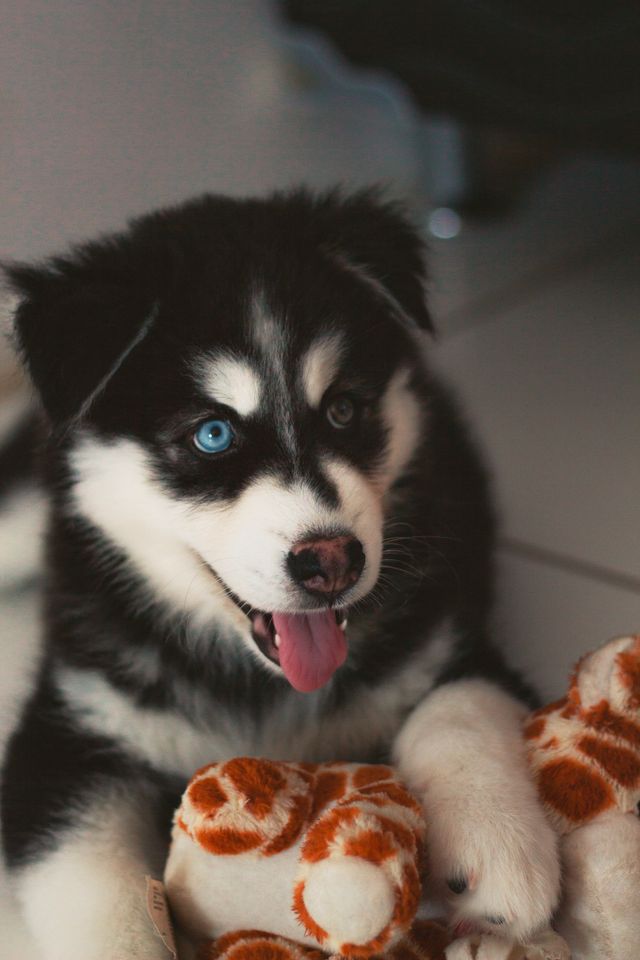
Some dogs play with a toy for a few minutes and then leave it alone. Others seem determined to destroy everything they get their teeth on.
If your dog tears through stuffed animals, chews holes in rubber toys, or turns a new toy into a pile of pieces almost immediately, choosing the right toy can be frustrating. A toy described as “durable” is not necessarily durable enough for every dog.
The best choice depends on your dog's size, chewing style, age, and how they actually use their toys.
What Makes a Dog an Aggressive Chewer?
An aggressive chewer is not necessarily an aggressive dog. The term usually describes a dog that chews intensely and can destroy toys quickly.
Some dogs chew because they simply enjoy it. Others may chew when they are bored, frustrated, excited, or looking for something to do. Puppies also naturally explore the world with their mouths.
If your dog regularly removes pieces from toys or destroys them within minutes, you need to choose toys based on how your dog chews rather than how the toy looks on the package.
Look for Durable Materials
Durability is one of the most important things to consider.
Toys made from sturdy rubber are often a better starting point for powerful chewers than soft plush toys. Some durable toys can also be filled with food, which gives dogs something to work on instead of simply trying to tear the toy apart.
However, no material is indestructible. Even a strong rubber toy can eventually develop cracks, punctures, or missing pieces.
A durable toy should survive your dog's normal chewing without breaking into pieces that could be swallowed.
Choose the Right Size
A toy that is too small can become a choking hazard.
Choose a size that is appropriate for your dog's body and mouth and avoid toys that your dog could potentially swallow whole. The shape also matters. A long or larger toy may be easier for a big dog to handle safely than a small toy designed for a much smaller breed.
Your dog's size should always be considered together with their chewing strength.
Avoid Toys That Are Extremely Hard
It may seem logical to choose the hardest toy possible for a dog that destroys everything.
But harder does not automatically mean safer.
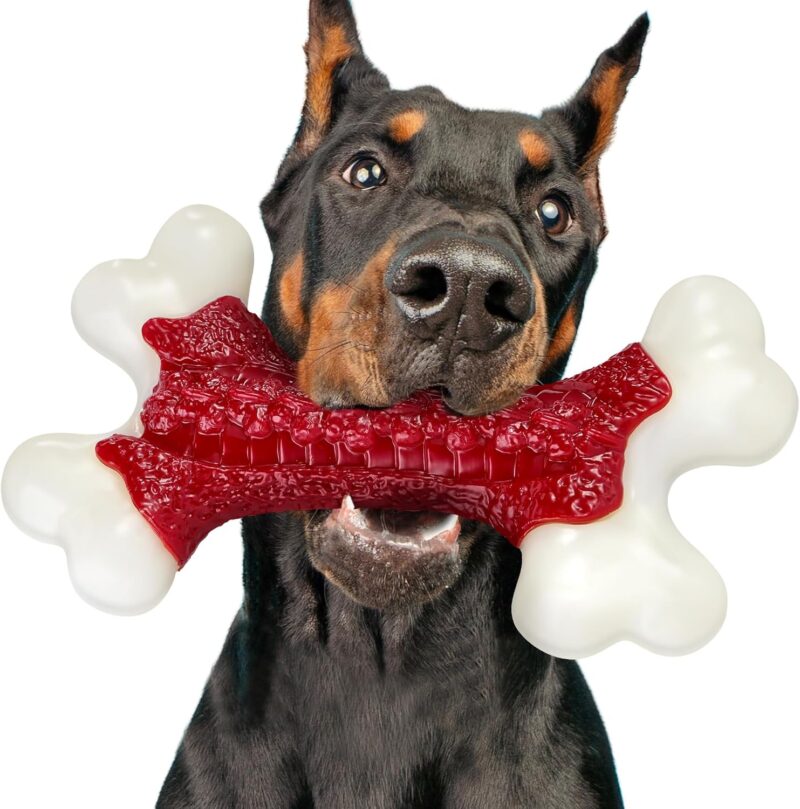
Extremely hard objects can damage or fracture teeth. Veterinary guidance commonly recommends avoiding objects that are so hard that they can cause dental injury.
Bones, antlers and other very hard chews may look like they would last forever, but their hardness can create a different problem: damaged teeth.
If you are unsure whether a particular chew is appropriate for your dog, ask your veterinarian.
What About Rope Toys?
Rope toys can be enjoyable for dogs that like tugging and interactive play. They can also be useful for games between a dog and their owner.
But they are not necessarily a good choice for a dog that likes to shred and swallow pieces of everything.
Once a rope becomes badly frayed, individual fibers can be pulled loose and swallowed. For dogs that immediately destroy rope toys, it may be better to choose another type of toy.
Rope toys are generally better treated as supervised play items rather than something your dog automatically gets to keep all day.
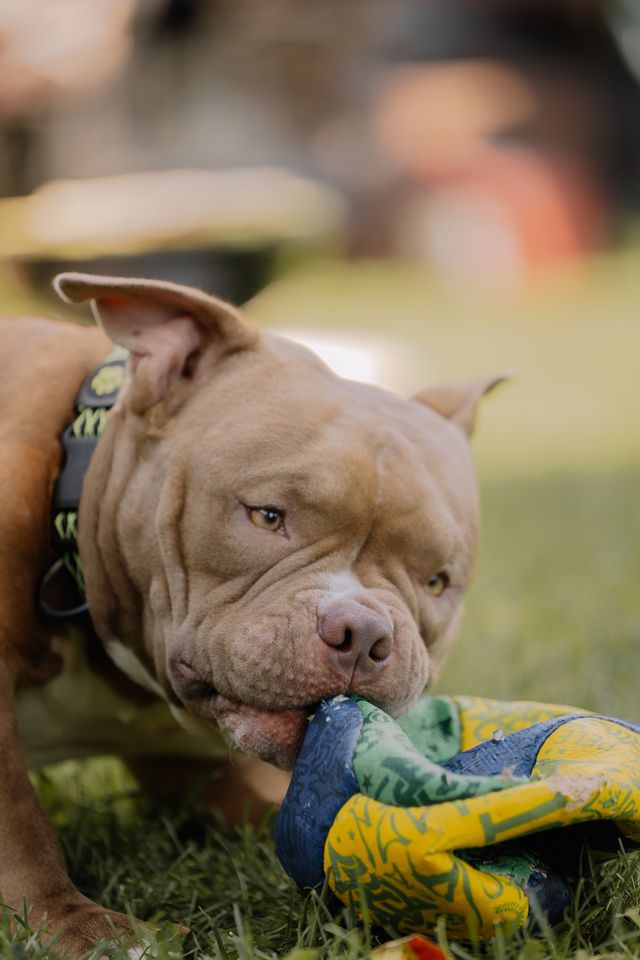
Be Careful With Squeaky and Plush Toys
Many dogs love squeaky toys because the sound makes them more interesting.
The problem is what happens when your dog discovers the squeaker.
If your dog immediately rips open stuffed toys to remove the squeaker or stuffing, these toys may not be appropriate for unsupervised chewing. Small pieces can become a choking or swallowing hazard.
That does not mean you can never give your dog a plush toy. It simply means you should know how your dog behaves with it and remove it when it starts falling apart.
Food-Filled Toys Can Keep Dogs Busy
For some dogs, the best toy is one that gives them something to do.
Durable toys designed to hold food can encourage chewing, licking, and problem-solving. Instead of simply trying to destroy the toy, your dog has a reason to interact with it for longer.
These toys can also provide mental stimulation and give dogs an appropriate outlet for chewing behavior.
Start with an easy filling so your dog understands how the toy works. You can gradually make it more challenging as your dog becomes familiar with it.
Inspect Every Toy Regularly
Even the toughest toy eventually wears out.
Check your dog's toys regularly for:
- deep cracks or punctures
- missing pieces
- loose sections
- exposed stuffing
- badly frayed rope
- pieces your dog could pull off and swallow
If a toy is damaged, replace it.
Do not wait until the toy has completely fallen apart. A determined chewer may swallow pieces long before you notice how badly the toy has deteriorated.
Always Watch How Your Dog Uses a New Toy
A toy that is safe for one dog may not be suitable for another.
When you introduce a new toy, watch what your dog actually does with it. Does your dog chew it calmly, carry it around and play with it? Or do they immediately try to rip it apart and swallow the pieces?
Supervision is especially important for dogs that have a history of destroying and swallowing toys. No toy should be considered completely indestructible or risk-free.
A well-behaved dog is often less likely to develop destructive habits. Learn how to encourage better everyday behavior in our article about raising a well-behaved dog.
The Best Toy Is the One That Fits Your Dog
There is no single toy that is the best choice for every aggressive chewer.
A large dog with powerful jaws may need something very different from a small dog that simply enjoys chewing. Puppies, adult dogs, and senior dogs may also have different needs.
Instead of looking for a toy that promises to be “indestructible,” look for one that is appropriately sized, durable enough for your dog's chewing style, and made without easily removable parts.
Choosing the right toy is only part of the solution. If your dog also enjoys chewing on household items, our guide on how to teach your dog not to eat things off the ground offers practical training tips.
And remember: the goal is not to find a toy that your dog can never destroy. The goal is to give your dog something appropriate to chew while reducing the chance of broken teeth, choking, or swallowed pieces.
If your dog destroys toys extremely quickly, your veterinarian can also help you choose safer options based on your dog's size, age, teeth, and chewing habits.
Want to learn more about choosing safe chew toys? The American Kennel Club (AKC) also offers helpful advice on selecting toys that match your dog's size, chewing style, and activity level.
Final Thoughts
Living with a powerful chewer often means accepting that toys will eventually need to be replaced.
The trick is choosing toys that match your dog's behavior instead of simply buying the toughest-looking option available. Pay attention to size, material, hardness, and the way your dog actually plays.
And when a favorite toy starts to fall apart, retire it. A new toy is much cheaper than a trip to the veterinarian caused by a swallowed piece.
FAQ
What is the best toy for an aggressive chewer?
There is no single best toy for every dog. Look for a durable, appropriately sized toy that matches your dog's chewing style and does not break into small pieces.
Are soft toys safe for aggressive chewers?
They can be used for supervised play, but dogs that quickly tear out stuffing or squeakers should not be left alone with them.
Should aggressive chewers have bones or antlers?
Very hard chews can damage or fracture teeth, so they are not automatically a safer choice just because they last longer. Ask your veterinarian about suitable alternatives.
How often should dog toys be replaced?
There is no fixed schedule. Inspect them regularly and replace any toy that is cracked, torn, badly frayed, or missing pieces.