
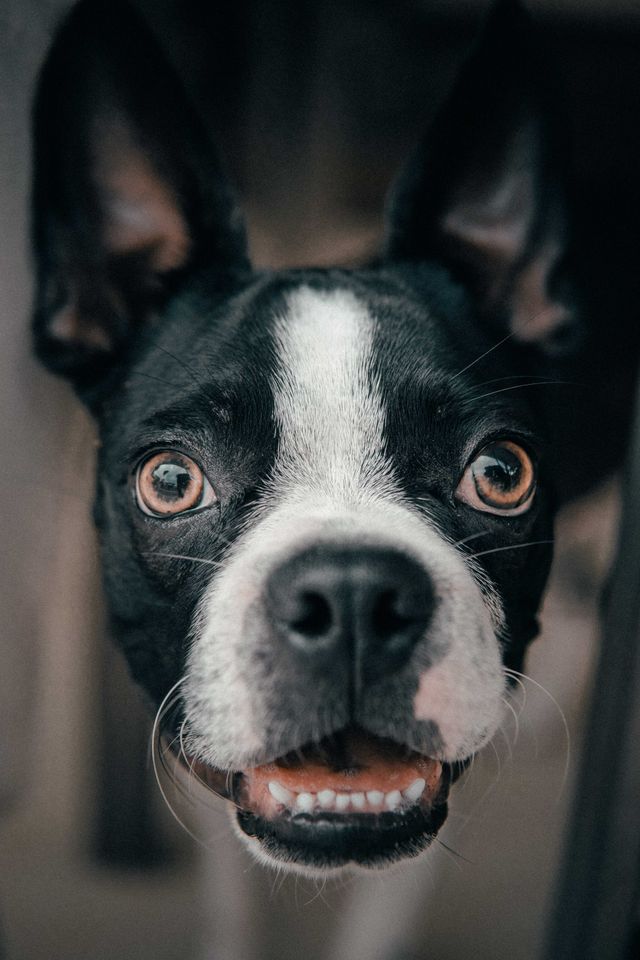
Puppies love to explore the world with their mouths. They chew shoes, furniture, toys, and sometimes even their owners’ hands. If your puppy seems to bite everything in sight, you are not alone.
Puppy biting is usually a normal part of development, especially during teething and play. However, without consistent guidance, puppies may develop habits that become difficult to manage as they grow.
The good news is that you can teach your puppy what is safe to chew with patience, appropriate toys, and simple training techniques.
In this guide, you will learn why puppies bite everything, how to redirect unwanted chewing, and when biting may require extra attention.
Why Does My Puppy Bite Everything?
Puppies bite and chew for several reasons. Understanding the cause makes it easier to choose the right solution.
1. Teething and Sore Gums
Teething is one of the most common reasons puppies chew excessively. As baby teeth fall out and adult teeth emerge, chewing may help relieve discomfort.
This process usually begins at around 3–4 weeks of age and continues until approximately 6–7 months, although timing varies between puppies.
Puppy teething can lead to increased chewing and nipping. The American Kennel Club's guide to puppy nipping offers additional advice on understanding and managing this behavior.
What you can do: Offer safe puppy chew toys that are appropriate for your puppy’s age and size. Supervise chewing and avoid objects that are hard enough to damage developing teeth.
2. Exploring the World
Young puppies investigate their surroundings using their mouths. Shoes, blankets, furniture, and household objects may all seem interesting.
What you can do: Keep tempting objects out of reach and provide safe alternatives. When your puppy starts chewing something inappropriate, calmly redirect them to an approved toy.
3. Boredom and Excess Energy
Puppies need opportunities to play, explore, learn, and rest. When they lack appropriate stimulation, they may chew furniture, dig at carpets, or bite their owners during play.
What you can do: Introduce short play sessions, gentle training, supervised exploration, and simple food-search games. Choose activities suitable for your puppy’s age rather than relying on long or exhausting exercise.
4. Overtiredness and Overstimulation
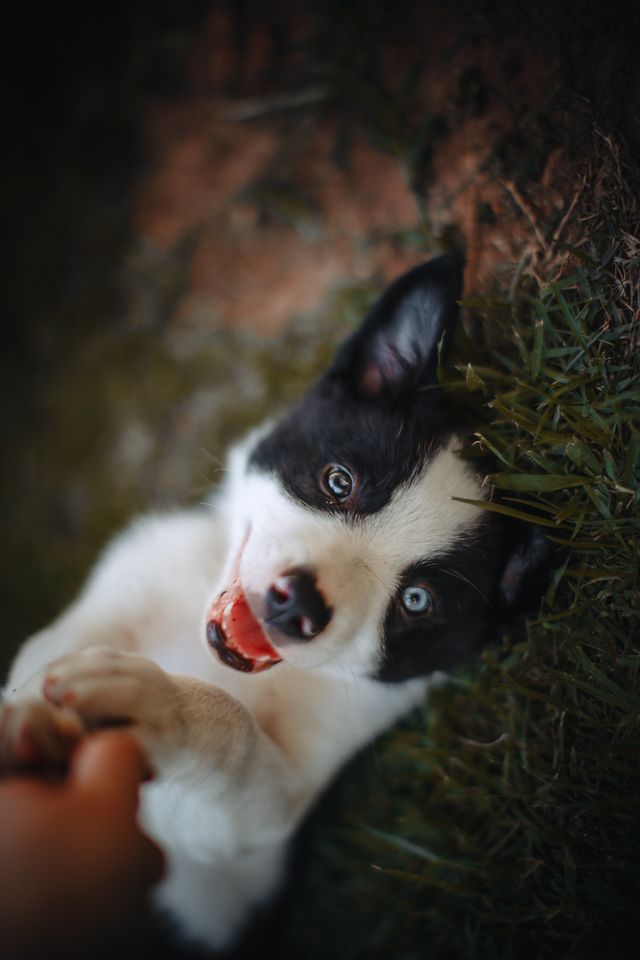
Sometimes a puppy bites more when they are tired rather than when they need more exercise. An overtired puppy may become excitable, jump around, grab clothing, and bite hands or ankles.
What you can do: Reduce stimulation and give your puppy a quiet, comfortable place to rest. Young puppies need plenty of sleep throughout the day.
How to Stop Puppy Biting: 5 Easy Solutions
1. Provide Safe Chew Toys
Your puppy needs to learn what they can and cannot chew. Keep suitable toys readily available and rotate them to maintain interest.
Choose toys designed for puppies, with an appropriate size and texture. Avoid toys that can easily break into swallowable pieces, and replace damaged toys promptly.
For more practical advice, read our guide on The Secret to Stopping Puppy Biting
2. Redirect Biting Immediately
If your puppy bites your hand, shoe, or furniture, stay calm and offer an appropriate chew toy instead.
Praise your puppy when they choose the toy. This helps them learn which behavior you want to encourage.
Avoid turning the moment into a chase or tug-of-war over household objects, as this may make the activity more exciting.
3. Teach Gentle Play
If your puppy bites your hands during play, stop interacting briefly. Keep your hands still, calmly end the game, and resume when your puppy settles.
Repeat this consistently. Everyone in the household should follow the same approach.
Avoid shouting, hitting, or forcibly holding the puppy’s mouth shut. These methods can increase fear and may make biting worse.
4. Provide Appropriate Daily Activities
A balanced routine can reduce unwanted chewing. Try short training sessions, gentle play, sniffing games, and age-appropriate walks when your puppy is ready for them.
Mental stimulation is just as important as physical activity. Hiding a few pieces of your puppy’s regular food for a supervised sniffing game can provide an enjoyable challenge.
5. Create a Puppy-Safe Environment
Prevention is easier than repeatedly correcting unwanted behavior.
Put shoes away, cover or block access to electrical cords, secure household chemicals, and keep small objects out of reach. Supervise your puppy around unfamiliar items.
If your puppy repeatedly chews a particular object, consider whether they need a safer alternative, more appropriate activity, or a quieter place to rest.
When Is Puppy Biting Normal?
Playful mouthing and chewing are common during puppyhood. They often become less frequent as puppies mature and learn bite inhibition.
However, biting should not automatically be dismissed as harmless.
Watch for warning signs such as stiff body posture, repeated snapping, guarding food or objects, or biting that causes injuries. If the behavior is intense, escalating, or difficult to interrupt, consult your veterinarian or a qualified reward-based dog trainer.
Sudden changes in biting behavior may also indicate pain or another medical problem.
When Do Puppies Stop Biting?
Many puppies show noticeable improvement between 6 and 7 months of age as teething finishes and training progresses. However, there is no exact age when every puppy stops biting.
Some dogs continue to chew because it is enjoyable, while others need more help learning appropriate play and self-control.
Consistency matters more than expecting the behavior to disappear overnight.
Final Thoughts
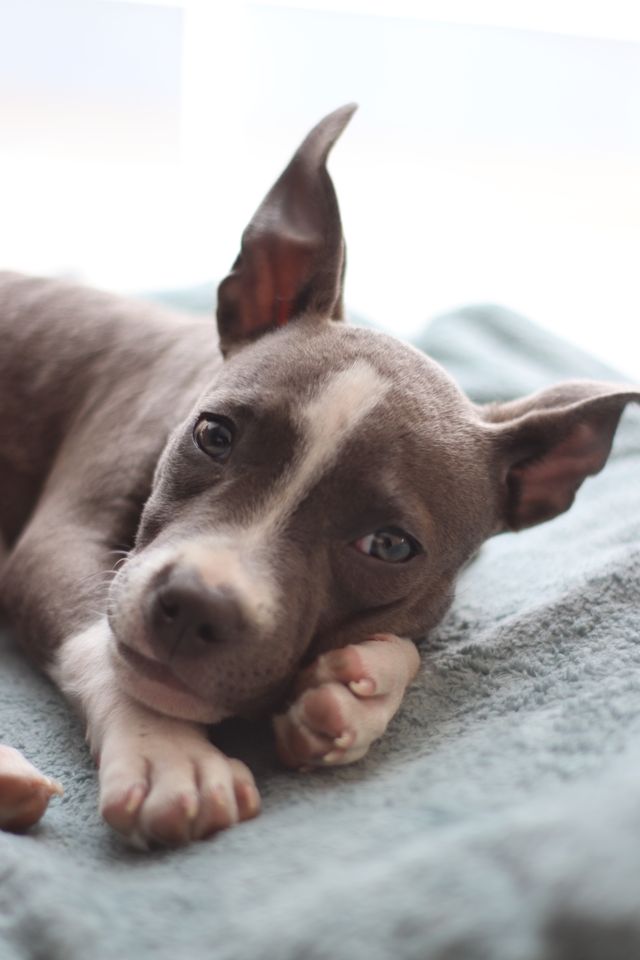
Puppy biting can be frustrating, but it is often a normal stage of growing up. The most effective approach combines safe chew toys, calm redirection, consistent training, appropriate activity, and plenty of rest.
Remember that your puppy is still learning. Reward the behavior you want to see, protect your home from chewing hazards, and give your puppy time to develop good habits.
With patience and consistency, you can help your puppy learn to explore and play more safely.
Frequently Asked Questions
Why does my puppy bite everything in the house?
Common reasons include teething, curiosity, boredom, excess excitement, and tiredness. Observe when the biting occurs and provide appropriate toys, activities, and rest.
At what age do puppies stop biting?
Many puppies improve around 6–7 months, but the timeline varies. Consistent training helps puppies learn to chew appropriate objects and play gently.
Should I punish my puppy for biting?
No. Physical punishment and shouting can increase fear and excitement. Calm redirection, brief pauses in play, and positive reinforcement are better approaches.
Why does my puppy bite my hands and ankles?
Your puppy may be trying to initiate play, reacting to movement, or becoming overstimulated. Pause the interaction, redirect to a toy, and provide a rest break if needed.
When should I worry about puppy biting?
Seek professional advice if biting is intense, causes injuries, involves guarding or repeated aggressive-looking behavior, or suddenly becomes worse. A veterinarian can help rule out pain or illness.