
A dog and a child can build one of the most beautiful friendships in life. But many parents naturally worry: What if the dog growls? What if the child accidentally hurts the dog and the dog reacts badly?
The good news is that most problems can be prevented with proper training, early socialization, and clear boundaries.
A safe relationship between dogs and children does not happen automatically. It takes patience, consistency, and responsible parenting.
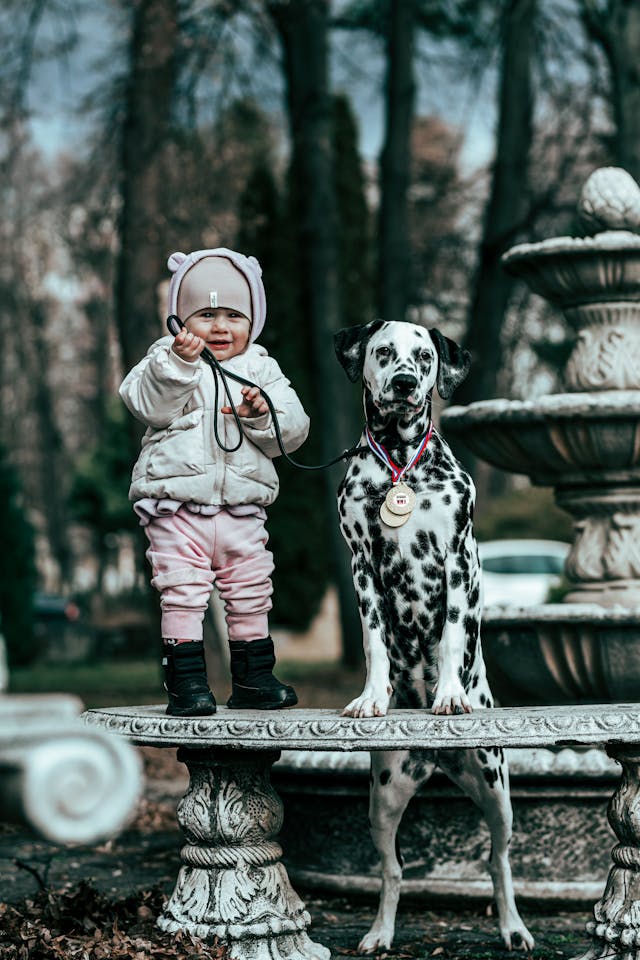
Why Dogs Sometimes React Aggressively Toward Children
Not every dog is naturally comfortable around kids. Children are loud, energetic, unpredictable, and often invade a dog’s personal space without realizing it.
For some dogs, this can become stressful or overwhelming.
The most common reasons for aggressive behavior include:
- fear,
- pain or illness,
- poor socialization,
- jealousy,
- protecting food or toys,
- rough handling from children.
Even the friendliest dog has limits. Understanding those limits is essential for keeping everyone safe.
Early Socialization Is the Foundation
If you want a dog that behaves calmly around children, socialization should start early.
A puppy should gradually learn to:
- meet different people,
- hear children laughing and crying,
- tolerate gentle touching,
- stay calm in new environments.
The key is creating positive experiences, not stressful ones.
Reward calm behavior with:
- treats,
- praise,
- playtime.
Over time, the dog begins to associate children with positive experiences instead of stress.
Discover practical tips for keeping pets safe in the family.
Teach Basic Obedience Commands
Some commands can literally prevent accidents.
Every family dog should know:
- sit,
- stay,
- come,
- leave it,
- drop it,
- no.
The “drop it” command is especially important when toys or food are involved.
Short daily training sessions work far better than long exhausting ones.
Children Must Learn Respect Too
One of the biggest mistakes parents make is focusing only on training the dog.
Children also need rules.
Kids should learn:
- never pull a dog’s ears or tail,
- never disturb a dog while eating,
- never force hugs,
- never wake a sleeping dog,
- avoid screaming or running around the dog.
Small children should never be left alone with a dog unsupervised — even with the gentlest family pet.
Give Your Dog a Safe Space
Every dog needs a quiet place where they can relax without being bothered.
This could be:
- a dog bed,
- a crate,
- a quiet corner,
- a separate room.
When the dog goes there, children should leave them alone.
Having a safe retreat helps dogs feel secure and prevents stress-related behavior.
Learn the Warning Signs
Dogs rarely bite without warning.
The problem is that many people miss the early signals.
Watch for:
- lip licking,
- stress yawning,
- pinned-back ears,
- avoiding eye contact,
- growling,
- stiff body posture.
Never punish a dog for growling. Growling is communication. If you punish the warning signs, the dog may skip the warning next time and bite without hesitation.
Some Breeds Are More Patient With Kids
Every dog is different, but certain breeds are often known for being more tolerant around children.
Popular family-friendly breeds include:
- Labrador Retriever,
- Golden Retriever,
- Beagle,
- Cavalier King Charles Spaniel,
- Poodle.
Still, personality and training matter far more than breed alone.
Physical Exercise and Mental Stimulation Matter
An under-stimulated dog is more likely to become anxious, destructive, or reactive.
Helpful activities include:
- daily walks,
- puzzle toys,
- obedience training,
- scent games,
- interactive play.
A mentally balanced dog is usually calmer around children.
The Biggest Mistake Many Parents Make
Many parents believe:
“Our dog would never hurt anyone.”
But any dog can react unpredictably when frightened, stressed, or in pain.
Prevention is always safer than regret.
A healthy relationship between children and dogs is built through:
- respect,
- supervision,
- consistent training,
- patience,
- positive reinforcement.
FAQ – Dogs and Children
Can dogs safely live with babies?
Yes, but always under adult supervision. Dogs need time to adjust to new sounds, smells, and routines.
When should puppy socialization begin?
The most important socialization period is usually between 3 and 16 weeks of age.
What should I do if my dog growls at my child?
Do not punish the growling. Separate the dog from the situation and identify the source of stress.
Is it a good idea to buy a dog for a small child?
A dog is not a toy. Adults must remain responsible for the dog’s care and training.
Can older dogs learn to behave around children?
Yes, but it often requires more patience, slow introductions, and consistent positive experiences.
Dogs can become loyal companions and amazing childhood friends when raised properly.
The safest family dog is not the “perfect” dog — it is the dog that receives proper training, patience, exercise, and understanding.
With the right approach, children and dogs can grow together safely and happily for many years.