
Bringing a dog or puppy into a family home is exciting, emotional, and sometimes chaotic. Children naturally love animals, but many kids simply do not understand how fragile pets can feel. Pulling ears, hugging too tightly, chasing a puppy around the room, or disturbing a sleeping dog may seem harmless to a child, but for a pet it can create fear, stress, and even aggressive reactions.
The good news is that most problems can be prevented with patience, supervision, and simple family rules. Teaching children how to behave around animals not only protects your dog — it also helps kids become kinder, calmer, and more responsible people.
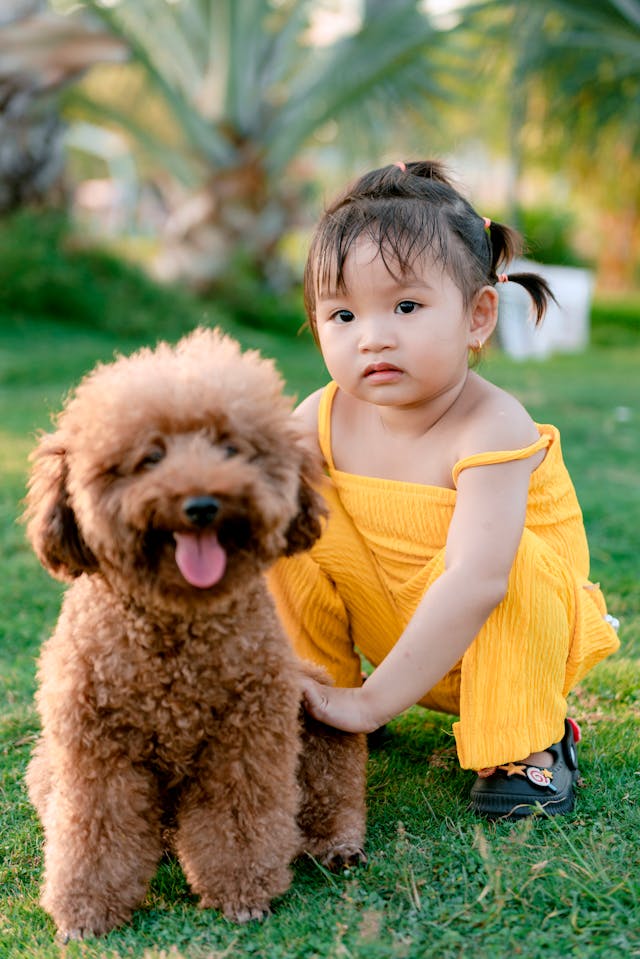
If you recently welcomed a puppy into your home or you already have children and pets living together, these practical tips can make everyday life safer and happier for everyone.
Why Kids Sometimes Accidentally Hurt Pets
Children are curious by nature. Young kids especially do not always understand boundaries or animal body language. A toddler may grab a tail because it looks fun. A child may climb on a dog thinking the dog enjoys it like a toy horse.
Most children are not trying to be cruel. They simply do not yet recognize signs of fear or discomfort in animals.
Dogs often communicate stress before reacting:
- licking lips repeatedly
- hiding
- turning away
- stiff body posture
- growling
- tucked tail
- yawning when not tired
Teaching children to recognize these signs is one of the best ways to prevent accidents.
Never Leave Small Children Alone With Pets
This is the most important rule in any pet-friendly home.
Even the gentlest dog can react unpredictably if scared, hurt, or cornered. Likewise, even a sweet child can accidentally provoke a dog without understanding the consequences.
Supervision does not mean checking occasionally from another room. It means actively watching interactions.
A few situations that require extra attention:
- feeding time
- toy guarding
- when the dog is sleeping
- when children are excited or running
- introducing a new puppy
- visiting unfamiliar dogs
Many dog bites happen during moments adults assumed were harmless.
Teach Gentle Touch From the Beginning
Children should learn early that pets are living beings with feelings, not stuffed toys.
Show kids how to:
- pet gently along the back or chest
- avoid pulling ears or tails
- never poke eyes or nose
- avoid grabbing paws
- stay calm around animals
A good idea is turning learning into a game. Ask children:
“Would you like someone pulling your hair or yelling in your face?”
This helps kids develop empathy naturally.
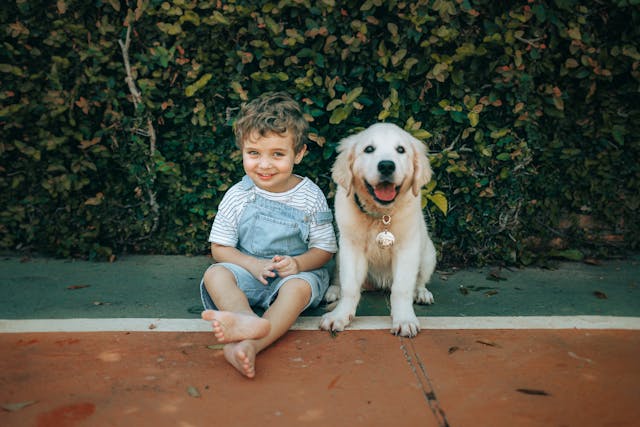
Create Safe Spaces for Your Dog
Dogs need quiet places where they can relax without being disturbed.
A dog bed, crate, or quiet corner should become a “no bothering zone” for children.
Teach kids:
- never disturb a sleeping dog
- never enter the dog’s crate
- leave the dog alone while eating
- give space when the dog walks away
Respecting boundaries reduces anxiety and helps dogs trust children more.
Read it:
Avoid Rough Play
Rough games may seem funny at first, but they can quickly become dangerous.
Games to avoid:
- wrestling with the dog
- chasing games indoors
- teasing with toys
- encouraging barking aggressively
- tugging too hard
Instead, encourage healthy bonding activities like:
- gentle fetch
- short walks with adult supervisionWe may earn a commission from recommended products in this article.
- basic training games
- hiding treats for scent games
Positive interaction creates calmer behavior in both dogs and children.
Teach Kids Basic Dog Body Language
Children who understand dog communication are much safer around pets.
Explain simple signals:
A happy dog:
- relaxed body
- wagging tail
- soft eyes
- playful movement
A stressed dog:
- growling
- backing away
- ears pinned back
- showing whites of eyes
- frozen body posture
Never punish a dog for growling. Growling is communication. A dog that is punished for warning signs may stop warning and react suddenly later.
Training and good behavior can help create safer interaction between children and dogs.
Puppies need positive experiences with children early in life.
Proper socialization helps puppies become calm adult dogs around families.
Good socialization includes:
- calm interaction with gentle kids
- exposure to household sounds
- short positive play sessions
- rewards for calm behavior
Avoid overwhelming your puppy with too much excitement.
Short positive experiences work far better than chaotic interactions.
Best Family Dog Breeds for Homes With Children
Some dog breeds naturally tend to be more patient and family-friendly than others.
Popular family dogs include:
- Labrador Retriever
- Golden Retriever
- Cavalier King Charles Spaniel
- Beagle
- Poodle
- Bernese Mountain Dog
However, personality and training matter more than breed alone.
Even small dogs can become stressed around rough children.
How to Teach Respect Instead of Fear
Children should not fear dogs. The goal is respectful interaction.
Avoid saying:
- “The dog will bite you!”
- “Dogs are dangerous!”
Instead say:
- “Dogs need gentle hands.”
- “Let’s help the puppy feel safe.”
- “We respect animals.”
This creates healthier long-term behavior.
Common Mistakes Parents Make
Many pet-related accidents happen because adults unintentionally allow risky behavior.
Common mistakes include:
- allowing children to climb on dogs
- forcing dogs to hug children for photos
- punishing growling instead of fixing the situation
- ignoring stress signs
- assuming “my dog would never bite”
Responsible supervision matters more than trusting a dog completely.
FAQ
Can toddlers safely live with dogs?
Yes, but only with constant supervision and proper boundaries. Toddlers should never be left alone with any dog.
Why does my dog walk away from my child?
Dogs often walk away when they feel overwhelmed or uncomfortable. This is healthy communication and should be respected.
Should children hug dogs?
Most dogs do not naturally enjoy hugs. Gentle petting is usually a better option.
What should I do if my dog growls at my child?
Do not punish the dog. Separate them calmly and identify what caused the stress.
Are puppies safer around kids than adult dogs?
Not always. Puppies can become overwhelmed easily and may nip during play.
What age should children start helping with pet care?
Simple tasks like filling water bowls or gentle brushing can begin around age 4–5 with supervision.
Dogs and children can build beautiful lifelong bonds when interactions are guided properly. The key is teaching respect, supervising carefully, and understanding that both kids and pets are still learning.
A calm environment, patient teaching, and positive experiences help create a safer home for everyone.
When children learn kindness toward animals, they often grow into more compassionate people overall — and that may be one of the greatest benefits of raising pets together.