
If you've made it through the first few months of puppyhood, congratulations! Between 3 and 6 months of age, puppies become more energetic, curious, and independent than ever before. This stage is often filled with exciting milestones, but it can also bring new challenges for dog owners.
Your puppy is no longer the tiny bundle that slept most of the day. Instead, they're exploring the world with confidence, testing boundaries, and learning skills that will shape their behavior for years to come.
Let's take a closer look at what happens during puppy development from 3 to 6 months and how you can help your growing companion thrive.
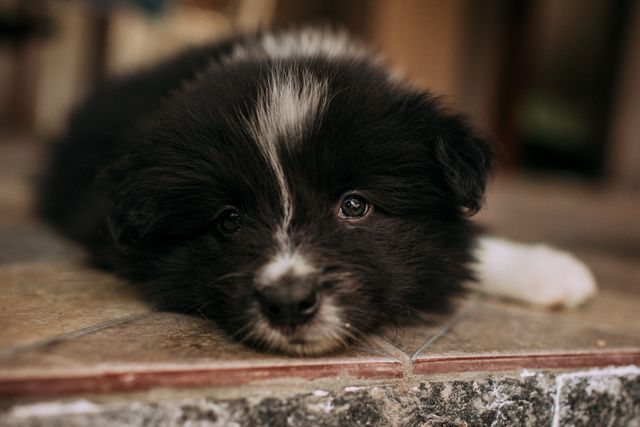
What Changes Between 3 and 6 Months?
This period marks the beginning of puppy adolescence.
You may notice:
- Increased energy levels
- Improved coordination
- Greater independence
- Stronger social skills
- More confidence around people and pets
- Faster learning ability
- Teething and chewing behavior
Every day seems to bring something new.
Physical Growth Accelerates
Between 3 and 6 months, many puppies experience rapid growth.
Depending on breed size, you may notice:
- Longer legs
- Increased muscle development
- Larger paws
- More endurance during play
- Significant weight gain
Large-breed puppies often grow especially quickly during this period.
Because growth happens so fast, proper nutrition remains extremely important.
The Teething Stage
One of the biggest milestones between 3 and 6 months is teething.
Puppies gradually lose their baby teeth and develop adult teeth.
Signs of teething include:
- Increased chewing
- Mild gum discomfort
- Drooling
- Chewing furniture or household items
- Preference for textured toys
The good news is that teething is completely normal.
Providing appropriate chew toys can help redirect unwanted chewing behavior.
Training Becomes More Important
By 3 months of age, puppies are capable of learning much more than many owners realize.
Skills to Practice
Focus on:
- Sit
- Stay
- Come
- Leave it
- Drop it
- Walking on a leash
- Waiting politely
Short, positive training sessions work best.
Consistency is far more important than long training sessions
Socialization Continues
Socialization does not stop once your puppy arrives home.
Between 3 and 6 months, puppies continue learning how to interact with the world.
Positive exposure to different experiences helps build confidence.
Helpful Experiences
Introduce your puppy to:
- New people
- Friendly dogs
- Parks
- Car rides
- Different surfaces
- Household sounds
- Veterinary visits
Always keep experiences positive and manageable.
Increased Independence
Many owners notice their puppy becoming more independent during this stage.
Your puppy may:
- Explore farther away
- Become distracted outdoors
- Test boundaries
- Ignore commands occasionally
This is a normal part of development.
Patience and continued training help reinforce good habits.
Exercise Needs Increase
As puppies grow, their exercise requirements gradually increase.
Good activities include:
- Short walks
- Interactive play
- Training games
- Fetch
- Puzzle toys
Avoid excessive exercise, especially for large breeds whose joints are still developing.
Mental Stimulation Matters
Physical exercise alone is not enough.
Puppies need mental enrichment to prevent boredom.
Try:
- Food puzzles
- Training sessions
- Hide-and-seek games
- Scent games
- Interactive toys
A mentally stimulated puppy is often a happier and calmer puppy.
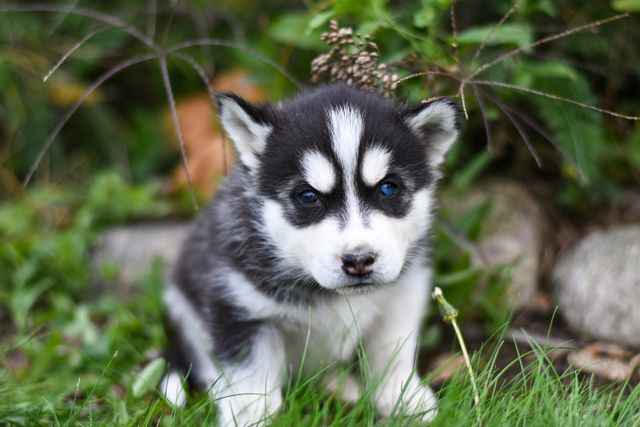
Common Puppy Behaviors
Chewing
Chewing peaks during teething.
Provide:
- Puppy-safe chew toys
- Durable rubber toys
- Frozen puppy treats
Jumping
Many puppies jump when excited.
Teach polite greetings by rewarding calm behavior.
Selective Hearing
Your puppy may suddenly seem to forget commands.
This is common during development and does not mean training has failed.
Stay consistent.
Nutrition During 3 to 6 Months
Growing puppies need high-quality nutrition.
Most puppies eat:
- Three meals per day at 3 to 4 months
- Two to three meals per day by 6 months
Choose food specifically formulated for puppies.
Proper nutrition supports:
- Healthy growth
- Brain development
- Strong bones
- Healthy muscles
Fresh water should always be available.
Veterinary Care
Regular veterinary visits remain important during this stage.
Your veterinarian may discuss:
- Vaccination boosters
- Parasite prevention
- Growth monitoring
- Nutrition
- Dental development
Routine care helps identify problems early.
Building a Strong Bond
The relationship you build now can last a lifetime.
Simple ways to strengthen your bond include:
- Daily training
- Play sessions
- Positive reinforcement
- Consistent routines
- Gentle handling
Trust grows through positive interactions every day.
Recommended Products for 3 to 6 Month Old Puppies
Teething Chew Toys
Chew toys help soothe teething discomfort and protect household items.
Brand Cdyzqikm
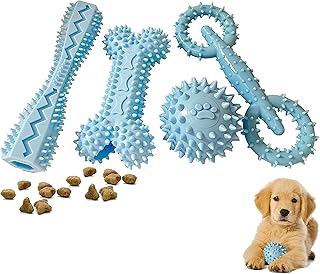
Look for:
- Durable materials
- Puppy-safe construction
- Various textures

Training Treats
Small, healthy treats can make training sessions more effective and enjoyable.
Wellness Store

Adjustable Puppy Harness
KOOLTAIL Store
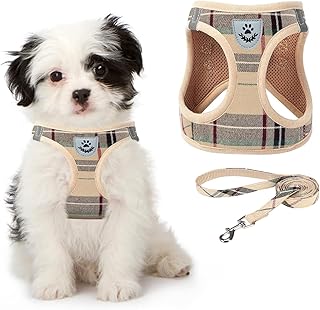
A comfortable harness is useful as your puppy grows and begins taking longer walks.
Related Puppy Development Articles
Following your puppy's journey? Don't miss these guides:
Read our article: Newborn Puppies: Birth to 2 Weeks
Continue reading: Puppy Development: 2 to 4 Weeks
Continue reading: Puppy Development: 4 to 8 Weeks
Continue reading: Puppy Development: 8 to 12 Weeks
Coming next: Puppy Development: 6 to 12 Months
Together, these articles cover the entire first year of puppy growth and development.
FAQ
How much should a 4-month-old puppy sleep?
Most puppies still sleep between 14 and 18 hours per day.
Why is my puppy chewing everything?
Chewing is often related to teething and exploration. Providing appropriate chew toys can help.
When do puppies lose their baby teeth?
Most puppies begin losing baby teeth around 3 to 4 months of age.
How much exercise does a 5-month-old puppy need?
Exercise needs vary by breed, but several short activity sessions each day are usually appropriate.
Is it normal for my puppy to ignore commands sometimes?
Yes. Puppies often become more independent during this stage and may test boundaries.
Should I continue socializing my puppy?
Absolutely. Ongoing positive socialization helps build confidence and good behavior.
When is a puppy considered an adolescent?
Many dogs begin entering adolescence between 5 and 6 months, although timing varies by breed.
The period from 3 to 6 months is an exciting chapter in your puppy's life. Your puppy is growing rapidly, learning new skills, gaining confidence, and developing a unique personality.
With consistent training, proper nutrition, positive socialization, and plenty of patience, you can help your puppy build the foundation for a healthy and happy adult life.
Enjoy this stage while it lasts—your playful little puppy will grow up faster than you think! 🐶❤️