
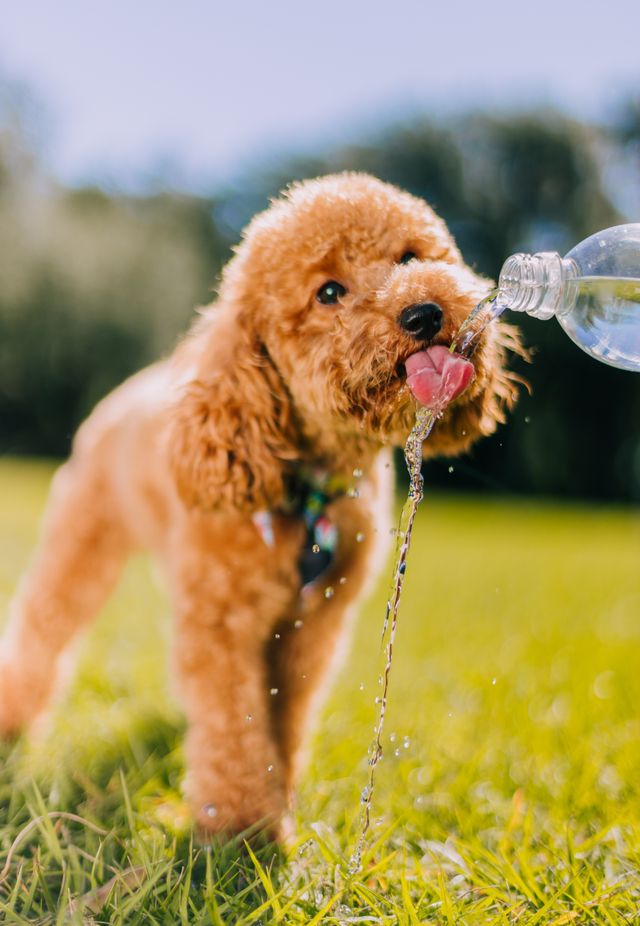
You fill your dog’s water bowl in the morning.
By lunchtime, it’s empty.
You refill it, and later you notice your dog standing there again, drinking as if they’ve just returned from a long walk.
At first, you don’t think much of it. Maybe it’s warm. Maybe they played harder today.
But when it keeps happening, a simple question starts to feel a little more worrying:
Why is my dog suddenly so thirsty?
Most of the time, there’s a reasonable explanation. But a noticeable change in how much your dog drinks is also something worth paying attention to.
Sometimes, Your Dog Is Simply Thirstier
Before assuming something is wrong, think about what changed.
Was it hotter today? Did your dog spend more time running or playing? Have you recently switched from wet food to dry kibble?
All of these can increase thirst.
Dogs naturally need more water after exercise and during warm weather. Dry food also contains far less moisture than wet food, so a dog eating mostly kibble may visit the water bowl more often.
Changes in activity, appetite and weight are worth noticing too. If your dog has become less active or is gaining extra pounds, keeping your dog at a healthy weight is another important part of their overall health.
If summer temperatures are climbing, keeping your dog hydrated is especially important. Our guide to keeping dogs safe in summer heat covers other simple precautions that can help on hot days.
The Change Matters More Than One Empty Bowl
Every dog is different.
A large active dog will naturally drink more than a small dog who spends most of the afternoon asleep on the couch.
That’s why knowing your dog’s normal habits matters.
If you suddenly find yourself refilling the bowl much more often, your dog starts waking at night to drink, or they seem obsessed with finding water, pay attention to the pattern rather than one unusually thirsty afternoon.
And don’t deliberately restrict their water to see what happens. Your dog should continue to have access to fresh water unless your veterinarian specifically tells you otherwise.
When Extra Thirst Can Be a Warning Sign
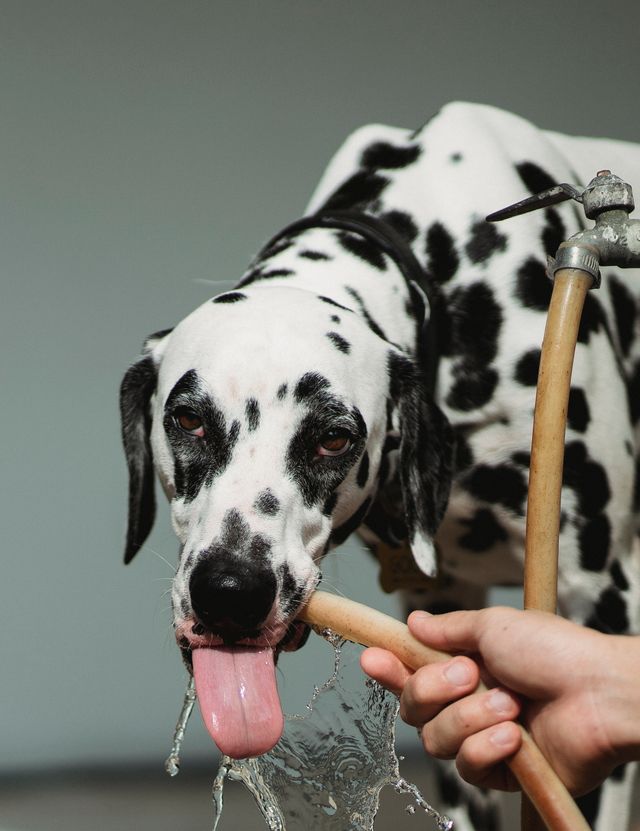
Persistent excessive thirst — known as polydipsia — can sometimes be associated with medical problems.
Conditions involving the kidneys, diabetes, hormonal disorders, infections and other illnesses can affect how much a dog drinks. Certain medications can increase thirst too.
This doesn’t mean that a thirsty dog automatically has a serious disease.
It means that an unexplained, lasting change deserves a conversation with your veterinarian — particularly when something else has changed as well.
For reliable veterinary guidance on excessive drinking and urination, resources such as the Merck Veterinary Manual explain that increased thirst can have many possible causes and needs to be considered alongside other signs.
Look at the Whole Dog, Not Just the Water Bowl
Has your dog also started urinating more frequently?
Are there accidents indoors when that wasn’t normal before?
Have you noticed changes in appetite, weight, energy, vomiting or unusual behavior?
Those details can be much more useful than simply saying, “My dog drinks a lot.”
If you’re concerned, you can even keep a short note for a couple of days about how often you refill the bowl and any other changes you notice. It gives your veterinarian a clearer picture of what’s happening.
Keep Fresh Water Easy to Reach
Whatever the reason for your dog’s thirst, clean drinking water should always be readily available.
A sturdy spill-proof water bowl can be useful for enthusiastic drinkers who somehow manage to turn every visit to the water bowl into a small kitchen flood. 😄
When Should You Call the Vet?
One hot afternoon followed by extra drinking usually isn’t the same as a persistent change.
But contact your veterinarian if the increased thirst continues without an obvious explanation, becomes excessive, or appears together with frequent urination, weakness, vomiting, appetite changes, weight loss or other unusual symptoms.
And if your dog seems unwell, don’t wait for the water-drinking pattern to resolve on its own.
Final Thoughts
A water bowl can tell you more than you might expect.
Not because every refill is a reason to worry, but because you know what is normal in your home.
Maybe today was simply hotter.
Maybe your dog ran twice as much.
But if that familiar routine suddenly changes and stays changed, it’s worth noticing.
Sometimes being a good dog owner starts with something as ordinary as realizing:
I’m filling this bowl much more often than I used to.
FAQ
Why is my dog suddenly drinking a lot of water?
Heat, exercise and dietary changes can increase thirst, but persistent excessive drinking can also have medical causes. If the change continues without an obvious reason, contact your veterinarian.
Should I limit my dog’s water if they are drinking too much?
No. Don’t restrict access to water unless specifically instructed by your veterinarian.
Can hot weather make dogs drink more?
Yes. Dogs commonly need more water during warm weather, particularly after exercise or spending time outdoors.
Can dry dog food make a dog drink more water?
It can. Dry kibble contains much less moisture than wet food, so dogs eating dry diets obtain more of their water by drinking.
When should increased thirst worry me?
Pay particular attention when increased thirst persists or occurs alongside frequent urination, accidents indoors, appetite or weight changes, vomiting, weakness or other unusual symptoms.