
Fleas and ticks are one of the most common problems dog owners face. While many people use chemical treatments, some prefer natural or alternative methods to protect their pets.
But do these alternatives really work?
Why Look for Alternatives?
Traditional flea and tick treatments often contain chemicals that may:
- cause skin irritation
- affect sensitive dogs
- impact the environment
Some studies show these chemicals can also end up in nature and water systems.
Natural Alternatives to Flea and Tick Control
1. Essential Oils
Some essential oils can help repel fleas and ticks, including:
- lavender
- peppermint
- citronella
Research shows certain oils can even kill fleas and ticks in specific concentrations.
👉 Important: Always dilute oils properly and consult a vet.
🐶 Recommended Products for Flea Control
Keeping your dog protected is easier with the right tools:
- flea comb
- natural flea spray
- grooming brush
👉 Check recommended products here: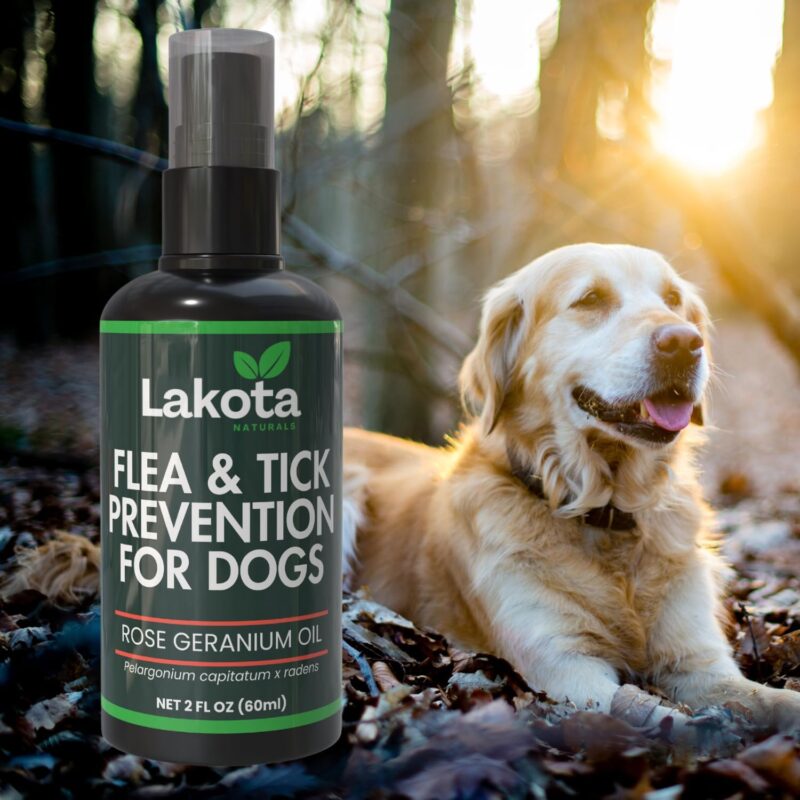
2. Diatomaceous Earth
This natural powder works by dehydrating parasites. It is:
- non-toxic
- safe when used correctly
- effective in carpets and bedding
3. Apple Cider Vinegar
A mixture of water and apple cider vinegar can help repel fleas by changing your dog’s skin environment.
4. Regular Grooming
Simple but powerful:
- brushing
- bathing
- flea comb
➡️ helps remove fleas before they multiply
5. Diet and Supplements
Some natural supplements may make dogs less attractive to fleas, including:
- brewer’s yeast
- herbal supplements
Do Natural Methods Really Work?
Natural methods can help prevent or reduce fleas, but they are usually:
👉 less powerful than medical treatments
Veterinary sources warn that not all home remedies are fully effective and some can even be risky if misused.
When to Use Veterinary Treatments
If your dog has:
- heavy infestation
- skin problems
- constant scratching
👉 always consult a vet
Modern treatments (tablets or spot-on) are often the most reliable option.
Final Thoughts
Alternative flea and tick control methods can be useful, especially for prevention. However, they should be used carefully and combined with proper hygiene and regular checks.
The best approach is often a balanced one – natural support plus professional advice.