
Every dog has a unique personality, and that includes the things they fear. While some dogs confidently explore every new experience, others become nervous when faced with loud noises, unfamiliar places, or sudden changes in their routine.

Fear is not a sign of stubbornness or bad behavior. It's a natural survival instinct. By understanding what frightens your dog, you can respond with patience instead of frustration and help them build confidence over time.
Thunderstorms
Thunderstorms are one of the most common causes of anxiety in dogs. It's not just the thunder that can be frightening. Changes in air pressure, flashes of lightning, strong winds, and even static electricity may make your dog feel uncomfortable before the storm even begins.
Some dogs hide under furniture, while others pace, pant, or constantly follow their owners. Creating a quiet indoor space with familiar blankets and staying calm yourself can make storms less stressful.
Fireworks
The loud explosions and unpredictable flashes of fireworks can overwhelm even confident dogs. Because dogs hear much better than humans, every bang can feel much louder and more intense.
Whenever fireworks are expected, keep your dog indoors, close windows, and use calming background noise such as soft music or television. Avoid forcing your dog to face the sounds, as this may increase their anxiety.
Vacuum Cleaners and Loud Household Appliances
Vacuum cleaners, blenders, hair dryers, and similar appliances often scare dogs because they combine loud noise with sudden movement. Some dogs simply leave the room, while others bark or try to chase the machine.
Introducing these appliances gradually and rewarding calm behavior with treats can help your dog develop a more positive association over time.
Car Rides
Not every dog enjoys traveling by car. Motion sickness, unfamiliar movement, or previous stressful trips can all contribute to fear.
Instead of only driving to the veterinarian, take short trips to enjoyable places like parks or walking trails. Positive experiences help replace negative memories and make future rides less stressful.
Meeting Strangers
Some dogs are naturally cautious around unfamiliar people. Limited socialization during puppyhood or unpleasant past experiences can make new faces seem threatening.
Allow your dog to approach people at their own pace without pressure. Calm introductions and positive reinforcement usually work far better than forcing interaction.
The American Kennel Club explains how dogs use body language to communicate with people and other animals.
Veterinary Visits
Many dogs begin to associate the veterinary clinic with uncomfortable examinations or injections. It's no surprise that some become anxious before they even enter the building.
Short visits that involve treats, praise, and no medical procedures can help your dog develop more positive feelings about the clinic.
Unfamiliar Objects
An open umbrella, a large box, or even a plastic bag blowing in the wind may seem harmless to us but surprisingly frightening to a dog.
Give your dog time to investigate unfamiliar objects from a safe distance. Curiosity often replaces fear when they realize there is no danger.
Being Left Alone
Many dogs struggle with being separated from their owners. Separation anxiety can lead to barking, destructive chewing, pacing, or accidents indoors.
Building independence gradually through short departures, predictable routines, and interactive toys can help your dog feel more secure while you're away.
If your dog struggles when left alone, our guide on How Long Can a Dog Stay Home Alone? offers practical tips for building confidence.
Unusual Sounds
Every dog has different sound sensitivities. Doorbells, alarms, musical instruments, or even certain songs may trigger anxiety.
Watch your dog's body language. If they appear uncomfortable, reduce the volume and slowly introduce the sound while rewarding calm behavior.
Stairs and Elevators
Young puppies, rescue dogs, and senior dogs sometimes hesitate around stairs or elevators because they feel unfamiliar or unstable.
Patience is essential. Allow your dog to move at their own pace and reward each small success rather than rushing the process.
How to Help a Fearful Dog
Although every dog is different, a few simple habits can make a big difference:
- Stay calm and avoid punishing fearful behavior.
- Let your dog approach new situations gradually.
- Reward confidence with praise and treats.
- Keep a predictable daily routine.
- Ask your veterinarian or a qualified trainer for help if fear becomes severe.
Good training builds confidence. You may also enjoy Is Your Dog Well Behaved? for everyday behavior tips.
Helpful Products for Anxious Dogs
Some dogs benefit from products that create a greater sense of security, especially during stressful situations.
You might consider:
1. Calming Dog Bed
PetJett Store
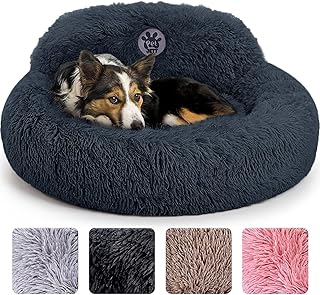
Help anxious dogs feel more secure by giving them a soft, protected place to rest during stressful situations.

2. Lick Mat
LUKITO Store

A lick mat encourages calm behavior and provides a healthy distraction during storms, fireworks, or when your dog is home alone.
3. Anxiety Wrap
ThunderShirt Store
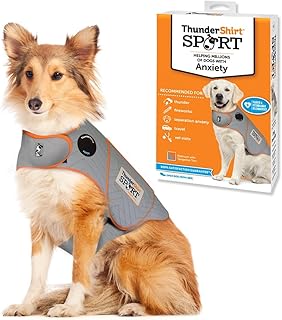
A gentle calming wrap may help reduce stress caused by loud noises, travel, or unfamiliar environments.
These products work best alongside patient training rather than as a complete solution.
Disclosure: As an affiliate partner, we may earn a commission from qualifying purchases.
Every fearful reaction tells us something about how our dog experiences the world. Instead of expecting instant confidence, focus on building trust one small step at a time. With patience, positive reinforcement, and plenty of encouragement, many dogs learn that situations they once feared are not as scary as they seemed. A confident dog isn't one that never feels fear—it's one that knows they can rely on you when they do.
Frequently Asked Questions
Can dogs outgrow their fears?
Some fears improve naturally with positive experiences, but others require consistent training and patience.
Should I comfort my dog when they are scared?
Yes. Staying calm and providing reassurance is perfectly fine. The goal is to help your dog feel safe without encouraging panic.
Why is my dog suddenly afraid of something they never feared before?
Changes in age, hearing, vision, health, or a negative experience can all lead to new fears. If the change is sudden or severe, consult your veterinarian.