
Keeping your dog’s coat healthy is about much more than appearance. Regular brushing helps remove dirt, loose fur, tangles, and even hidden skin problems before they become serious. It also reduces shedding around your home and creates a stronger bond between you and your dog. According to professional groomers, the right grooming brush depends heavily on your dog’s coat type, because not every brush works for every breed.
Watch the folloving video:
If you’ve ever stood in a pet store staring at twenty different brushes wondering which one to buy, you’re definitely not alone.
In this guide, we’ll break down the best dog grooming brushes, how to use them properly, common mistakes to avoid, and a few grooming tricks that can make brushing easier for both you and your pup.
Why Regular Brushing Matters
Many dog owners only brush their dog when shedding becomes a problem. But grooming is actually part of your dog’s overall health routine.
Regular brushing can help:
- Reduce shedding
- Prevent painful mats
- Improve air circulation in the coat
- Spread natural skin oils for a shinier coat
- Detect lumps, ticks, or skin irritation early
- Keep your dog more comfortable during seasonal changes
Professional groomers also point out that brushing is one of the easiest ways to notice skin issues before they become serious.
Understanding Your Dog’s Coat Type
Before buying any grooming tool, you need to know your dog’s coat type.
Short-Haired Dogs
Breeds like Beagles, Boxers, and Bulldogs usually benefit from:
- Rubber grooming gloves
- Curry brushes
- Soft bristle brushes
These dogs don’t usually mat easily, but they still shed. Rubber brushes help remove loose hair while giving a gentle massage.
Double-Coated Dogs
Breeds like Huskies, Golden Retrievers, and German Shepherds have thick undercoats.
Best tools include:
- Undercoat rakes
- Slicker brushes
- Deshedding tools
These breeds often “blow their coat” seasonally, especially in spring and fall. Regular brushing becomes extremely important during those periods.
Long-Haired Dogs
Dogs with long coats need frequent brushing to prevent mats.
Helpful tools:
- Pin brushes
- Slicker brushes
- Dematting combs
Areas behind the ears, under the legs, and near the collar mat the fastest.
Curly-Coated Dogs
Poodles and doodle mixes require more maintenance than many people expect.
Recommended:
- Slicker brush
- Stainless steel comb
Curly coats trap loose hair easily, which can create tight mats close to the skin if not brushed regularly.
Regular grooming should also include proper dental care for your dog.
Best Types of Dog Grooming Brushes
Here are the most common grooming tools and what they actually do.
Slicker Brush
A slicker brush uses fine wire bristles designed to remove tangles and loose undercoat hair.
Swihauk Store
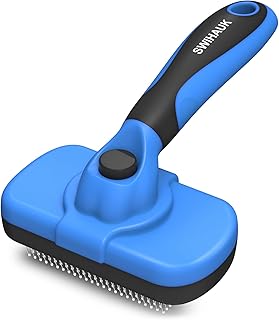
Best for:
- Long-haired dogs
- Curly coats
- Double-coated breeds

Use gentle strokes to avoid irritating the skin.
Pin Brush
Pin brushes look similar to human hairbrushes and work well for daily maintenance.
We Love Doodles Store
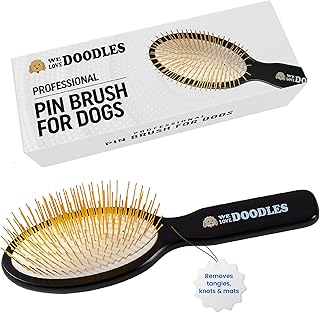
Best for:
- Silky coats
- Medium and long-haired dogs
They help detangle without pulling too harshly.
Deshedding Tool
Deshedding tools target loose undercoat fur before it ends up on your furniture.
Maxpower Planet Store
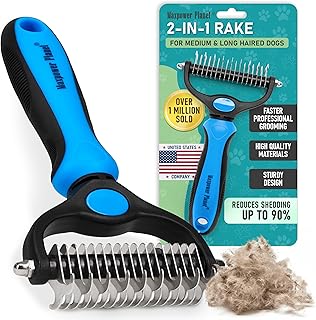
Best for:
- Heavy shedders
- Double-coated dogs
Groomers warn not to overuse them because aggressive brushing can damage the coat.
Grooming Gloves
Some dogs hate traditional brushes. Grooming gloves can be a great alternative.
NVNAN Store
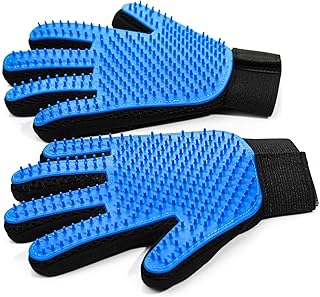
Best for:
- Nervous dogs
- Short-haired breeds
- Puppies
They feel more like petting than grooming.
Undercoat Rake
An undercoat rake reaches deep into thick coats without damaging the top layer.
Aumuca Store
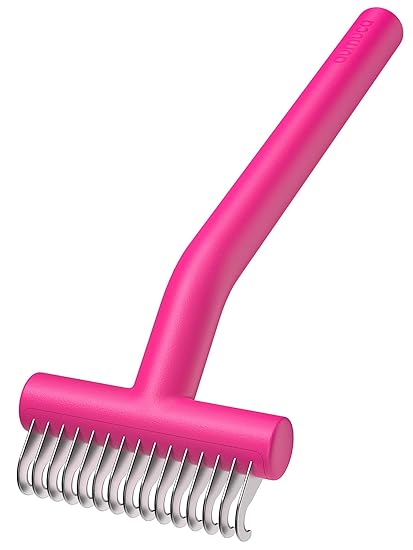
Perfect for:
- Huskies
- Malamutes
- German Shepherds
These tools are especially useful during shedding season.
Essential Dog Brushing Tips
Always Brush in the Direction of Hair Growth
Professional groomers strongly recommend brushing with the coat, not against it. This helps avoid discomfort and skin irritation.
Start Slow With Nervous Dogs
If your dog hates brushing:
- Let them sniff the brush first
- Use treats during grooming
- Keep sessions short
- Stay calm and patient
Many dogs learn to enjoy grooming over time.
Don’t Ignore Small Mats
Tiny tangles become painful mats surprisingly fast.
If you find one:
- Hold the fur close to the skin
- Work gently with a comb
- Never yank aggressively
Severe mats may require professional grooming.
Brush More During Seasonal Shedding
Double-coated breeds often shed heavily in spring and autumn. Daily brushing during these periods helps control loose hair and prevents undercoat buildup.
Common Grooming Mistakes
Using the Wrong Brush
This is probably the biggest mistake dog owners make.
A brush designed for short coats may do almost nothing for a Husky, while a heavy deshedding tool could irritate a short-haired dog’s skin.
Brushing Too Hard
Hard brushing doesn’t remove more hair. It only makes grooming uncomfortable.
Gentle and consistent brushing works much better.
Forgetting to Clean the Brush
Dirty grooming tools collect oil, bacteria, and old fur.
Wash brushes regularly with warm water and gentle soap.
FAQ
How often should I brush my dog?
Most dogs benefit from brushing at least once or twice weekly. Long-haired and double-coated breeds may need daily brushing during shedding season.
What is the best brush for shedding dogs?
Undercoat rakes and deshedding tools are usually best for heavy shedders like Huskies and German Shepherds.
Can brushing reduce shedding?
Yes. Regular brushing removes loose fur before it falls around your home.
Are slicker brushes safe?
Yes, when used gently. Avoid pressing too hard because the fine wires can irritate the skin.
Why does my dog hate brushing?
Some dogs dislike pulling sensations, unfamiliar tools, or long sessions. Positive reinforcement and shorter grooming sessions usually help.
Dog grooming doesn’t need to feel complicated or stressful. Once you understand your dog’s coat type and choose the right brush, grooming becomes much easier.
The best routine is simple:
- Brush consistently
- Use the correct tools
- Stay gentle
- Keep grooming positive
Your dog stays healthier, your house stays cleaner, and grooming becomes quality bonding time instead of a struggle.
We may earn a commission from recommended products in this article.