
Puppy Potty Training Tips Every Dog Owner Should Know
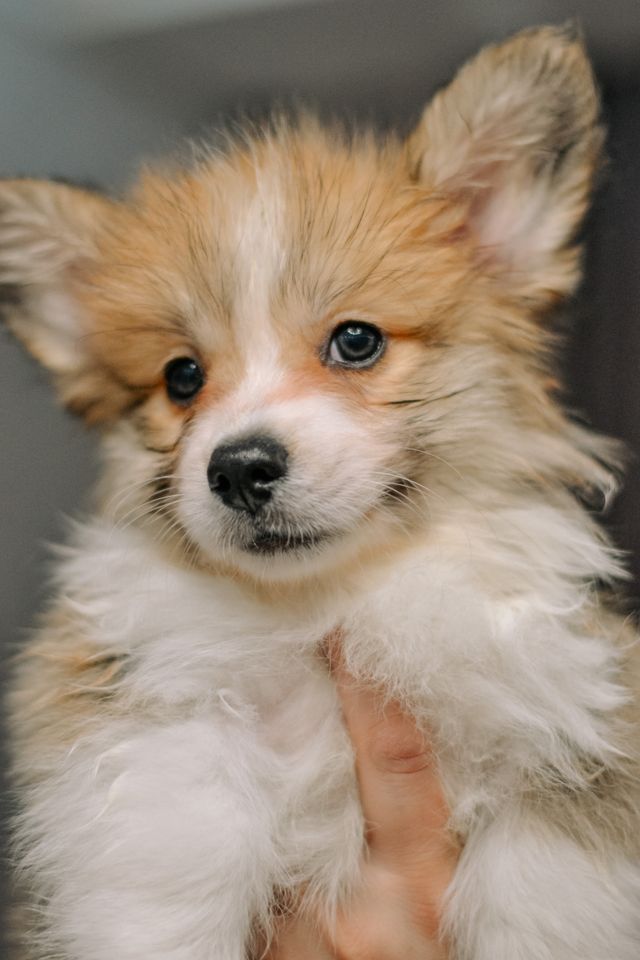
If you’ve ever stepped in a surprise puddle at 6 AM while your puppy stared at you like nothing happened… welcome to puppy parent life.
Potty training is one thing. Teaching your dog to actually ask to go outside is a completely different level — and honestly, it makes life so much easier. The good news? Dogs naturally try to communicate when they need something. The trick is teaching them that you understand the signal.
Professional trainers often recommend creating a consistent potty routine, rewarding outdoor success immediately, and paying close attention to your puppy’s body language.
Before we dive into the full guide, watch this helpful puppy potty training video showing how dogs learn to ask to go outside.
Why Dogs Don’t Automatically “Tell You”
Most puppies already try to signal you. The problem is humans usually miss it.
Some dogs:
- sit quietly by the door
- sniff the floor
- circle around
- stare at you awkwardly
- whine softly
- scratch the door
- suddenly wander away during playtime
These are common potty signals trainers watch for.
The challenge is timing. Puppies often wait until the very last second before going. One Reddit puppy owner joked their dog waited at the balcony door for “about 3 seconds” before peeing indoors.
That’s why consistency matters more than perfection.
Step 1: Create a Predictable Potty Routine
Dogs learn patterns fast.
Take your puppy outside:
- immediately after waking up
- after eating
- after intense play
- after naps
- before bedtime
- every 1–2 hours for young puppies
The American Kennel Club recommends frequent potty trips, especially for younger puppies with limited bladder control.
Always use:
- the same door
- the same potty spot
- the same command
Simple commands work best:
- “Go potty”
- “Outside”
- “Do your business”
Don’t overcomplicate it.
Step 2: Reward Like Your Puppy Just Won The Olympics
This is where many owners accidentally fail.Your puppy pees outside…
…and the owner waits until they get back inside to praise them.
Too late.
The reward must happen instantly after the potty moment so your dog connects:
outside potty = amazing things happen
Professional trainers recommend treats, praise, playtime, or even a short walk as rewards.
Tiny high-value treats work best during potty training because puppies learn through repetition.
Step 3: Teach The “Ask To Go Outside” Signal
This is the fun part.
Once your puppy understands that outside equals potty time, you can teach communication.
Option 1: Door Bells
Many owners hang bells near the door and teach the puppy to touch them before going outside.
The process:
- Touch bell
- Door opens
- Puppy goes potty
- Reward
Eventually your dog connects:
ring bell = bathroom trip
Option 2: Sit By The Door
Some owners prefer natural communication instead of bells.
Professional dog trainers often encourage responding immediately when the puppy:
- sits near the door
- looks at you
- scratches lightly
- walks toward the exit
When you consistently react, your dog learns:
“Oh… THIS gets the human moving.”
This is actually how many adult dogs naturally communicate.
Proper potty training is often one of the first signs of good behavior in dogs.
Biggest Potty Training Mistakes
Punishing Accidents
This is still one of the worst outdated training methods.
Reddit discussions regularly show new owners being told to “rub their nose in it,” but positive reinforcement methods are overwhelmingly recommended instead.
Punishment usually creates:
- fear
- sneaky peeing
- confusion
- anxiety around pottying
Your puppy is learning. Not plotting against you.
Waiting Too Long Between Potty Breaks
Young puppies physically cannot hold it long.
A common guideline:
puppy age in months + 1 hour maximum hold time
So a 3-month-old puppy usually needs a potty break every 4 hours at absolute maximum.
Missing The Signals
Most puppies actually do communicate.
You just have to notice:
- sudden sniffing
- pacing
- circling
- wandering away
- staring at the door
Once you respond consistently, those signals become stronger.
Final Thoughts
Teaching your dog to ask to go outside is less about “perfect training” and more about building communication.
Your puppy is constantly learning:
- what works
- what gets attention
- what earns rewards
The more consistently you respond to potty signals, the faster your dog understands how to communicate clearly.
And eventually?
Instead of surprise puddles…
you’ll have a dog politely waiting by the door like a tiny furry gentleman.
FAQ
How long does puppy potty training take?
Most puppies improve significantly within 4–8 weeks, but full reliability often takes several months depending on breed, consistency, and age.
Should I use puppy pads?
Puppy pads can help in apartments or during early training, but some trainers prefer transitioning outdoors quickly to avoid confusion.
Do dogs naturally tell you when they need to go outside?
Yes — many dogs already try to signal through body language like sniffing, pacing, or standing near the door. Owners often just miss the signals.
Should I punish indoor accidents?
No. Modern trainers strongly recommend positive reinforcement instead of punishment. Punishment can increase fear and anxiety.
Are bells better than scratching the door?
It depends on the dog. Some dogs love bells because they create a clear signal. Others naturally prefer sitting quietly by the door.