
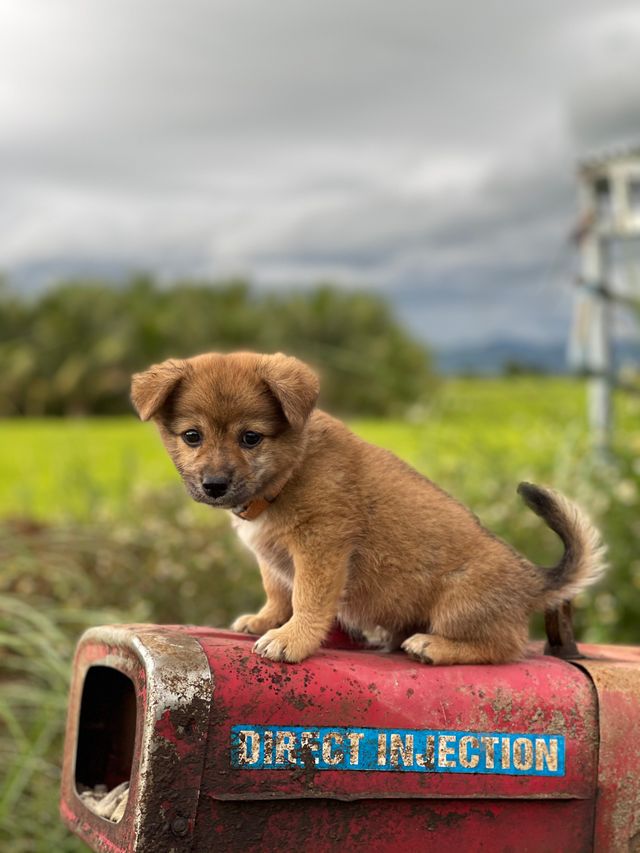
Leaving a puppy alone for the first time can be difficult for both you and your new companion. Your puppy may cry, bark, follow you from room to room, or become restless whenever you walk toward the door. These behaviors are common, but with the right approach, you can gradually teach your puppy that spending time alone is safe and that you will always come back.
Whining, barking, scratching at doors, or following you everywhere can happen when a puppy hasn't learned that being alone is safe.
The good news is that being alone is a skill puppies can learn. With gradual training, a predictable routine, and patience, you can help your puppy become more comfortable when you're not around.
Why Do Puppies Struggle With Being Alone?
Being separated from their owner can be unfamiliar and stressful for a puppy. They may also need time to adjust to a completely new environment.
Common reasons puppies struggle with being alone include:
- Being left alone for too long too quickly
- A sudden change in routine
- Fear of separation
- Lack of appropriate activity
- An unfamiliar environment
- Not having learned how to settle independently
Every puppy is different. Some adjust quickly, while others need several weeks of gradual practice.
Start With Very Short Periods Alone
One of the biggest mistakes is expecting a puppy to tolerate several hours alone immediately.
Instead, start with very short absences. Leave your puppy in a safe area and step away for a few seconds before returning calmly.
You might gradually progress from:
- 10–20 seconds
- 30 seconds
- 1 minute
- 2 minutes
- 5 minutes
- 10 minutes
These times are only examples. Increase the duration according to your puppy's behavior.
If your puppy becomes very distressed, make the next session shorter. The goal is to build confidence, not force your puppy to endure a situation that feels overwhelming.
The American Kennel Club recommends gradually increasing alone time while helping puppies associate their safe space with positive experiences.
Create a Safe Area
Your puppy should have a comfortable, puppy-proofed space where they can relax while you're away.
This could be a safe room, playpen, or appropriately introduced crate.
Provide:
- A comfortable bed
- Fresh water
- Safe chew toys
- Age-appropriate enrichment
- A familiar blanket or toy
Remove anything your puppy could chew, swallow, or knock over.
If you use a crate, introduce it gradually and positively. A crate should never be used as punishment.
Practice Independence While You're Home
You don't have to leave the house every time you practice alone time.
Encourage your puppy to relax on their bed while you are nearby. Walk into another room for a few seconds and then return. Gradually increase the distance and duration.
These small exercises teach your puppy an important lesson: you can leave, and you always come back.
Practice regularly rather than making independence training a major event.
Keep Departures and Arrivals Calm
Try not to turn leaving into a dramatic event.
Long goodbyes can make your departure feel more important to your puppy. Instead, keep your routine calm and predictable.
When you return, greet your puppy normally without making every arrival extremely exciting.
Over time, your puppy can learn that leaving and returning are simply normal parts of the day.
Give Your Puppy Something to Do
A suitable chew or food puzzle can help your puppy associate alone time with something positive.
You can rotate toys so your puppy doesn't have access to every toy all the time.
Always choose toys appropriate for your puppy's age and size. If your puppy destroys or swallows toys, avoid leaving those items unattended.
Provide Appropriate Exercise and Mental Stimulation
A puppy that has had appropriate physical and mental activity may find it easier to settle.
Before leaving, give your puppy an opportunity to:
- Go to the bathroom
- Have an age-appropriate walk or play session
- Explore and sniff
- Practice basic training
- Relax before you leave
Don't try to exhaust a young puppy with excessive exercise. Puppies need plenty of sleep, and their exercise requirements change as they grow.
Mental stimulation, such as simple training or appropriate enrichment, can be just as useful as physical activity.
Establish a Predictable Routine
A consistent daily routine can help puppies feel more secure.
Try to keep meals, bathroom breaks, playtime, training, rest, and alone time relatively predictable.
For example, your puppy may gradually learn that breakfast is followed by a bathroom break, some activity, and then quiet time.
Predictability can make it easier for your puppy to understand what happens next.
Don't Punish Barking or Whining
It can be frustrating when a puppy cries, barks, or scratches after you leave. Punishment can increase fear and stress rather than teaching your puppy to feel comfortable alone.
Instead, consider why your puppy is struggling.
Did you increase the time too quickly? Does your puppy need the bathroom? Are they hungry, uncomfortable, or overtired?
Adjust the training rather than punishing the behavior.
How Long Can a Puppy Be Left Alone?
There isn't one amount of time that works for every puppy.
Age, bladder control, personality, health, and previous experience all matter. Very young puppies need frequent bathroom breaks and should not be expected to spend long periods alone.
As puppies mature and become more comfortable with independence, they can gradually manage longer periods.
For more guidance on building up alone time as your puppy grows, see our guide on how long a dog can stay home alone.
If you need to be away for several hours, consider asking a family member, friend, dog walker, or pet sitter to check on your puppy.
Signs Your Puppy May Be Struggling
Some puppies simply need more practice. Others may show signs of significant separation-related distress.
Watch for:
- Persistent barking or howling
- Destructive behavior around doors or windows
- Attempts to escape
- Excessive drooling
- Repeated pacing
- Indoor accidents despite being house-trained
- Extreme distress when you prepare to leave
- Inability to settle after you leave
If these behaviors happen consistently whenever you leave, your puppy may need more than basic alone-time training. Our guide to dog separation anxiety tips covers additional signs and ways to approach the problem.
If your puppy becomes extremely distressed whenever left alone, speak with your veterinarian or a qualified veterinary behavior professional.
A Simple Training Plan
Use this basic approach:
1. Meet your puppy's needs.
Give them a bathroom break and appropriate activity.
2. Settle them in a safe area.
Make sure they have water and a comfortable place to rest.
3. Provide suitable enrichment.
Offer a safe chew or food toy if appropriate.
4. Leave for a short period.
Start with a duration your puppy can handle comfortably.
5. Return calmly.
Avoid making your return overly exciting.
6. Gradually increase the time.
Only increase the duration when your puppy remains relaxed.
If your puppy becomes distressed, go back to an easier step.
Common Mistakes to Avoid
Leaving Too Long Too Soon
A puppy that has practiced being alone for five minutes may not be ready for several hours.
Using the Crate as Punishment
The crate should be associated with safety and relaxation.
Expecting Fast Results
Every puppy learns at a different pace. Progress may take days or weeks, and occasional setbacks are normal.
Final Thoughts
Helping a puppy adjust to being alone takes patience and gradual training. Start with short absences, provide a safe environment, establish a predictable routine, and give your puppy appropriate opportunities for enrichment and relaxation.
Don't focus only on how long your puppy can tolerate being alone. The real goal is to help them learn that being alone is safe, temporary, and nothing to fear.