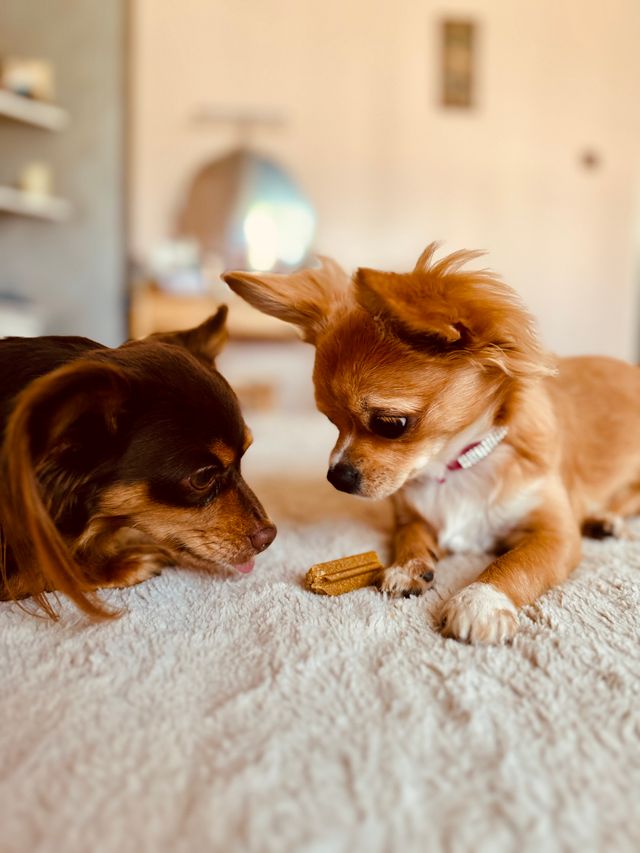
Have you ever stood in front of a shelf full of puppy treats wondering which one is actually good for your little companion?
Every package promises healthy ingredients, delicious flavors, or better training results. But not every treat deserves a place in your puppy's diet.
The best puppy treats do more than satisfy hunger. They help build trust, reward good behavior, and make training enjoyable for both of you. Choosing wisely from the beginning can help your puppy develop healthy eating habits while avoiding unnecessary ingredients.
Why Puppy Treats Matter
Treats are one of the easiest ways to communicate with your puppy.
Every successful “sit,” “stay,” or “come” becomes easier when there's a small reward waiting. Puppies learn through positive experiences, and tasty rewards help reinforce behaviors they should repeat.
The key is remembering that treats are a reward—not a meal replacement. They should make up only a small part of your puppy's daily calories.
What Makes a Good Puppy Treat?
Not all treats are created equal.
Look for products that contain:
- real meat as the first ingredient
- simple ingredient lists
- no unnecessary artificial colors
- appropriate size for small mouths
- soft texture for quick chewing during training
The simpler the ingredient list, the easier it is to know exactly what your puppy is eating.
Soft or Crunchy?
For young puppies, soft treats are usually the better choice.
They are easy to chew, quick to swallow, and don't interrupt training sessions. If your puppy spends a minute chewing every reward, they quickly lose focus.
Crunchy treats can still have their place, especially as puppies grow older, but they're often better as occasional snacks rather than training rewards.
Size Matters More Than You Think
Many first-time owners accidentally give treats that are far too large.
A reward should be tiny—just enough for your puppy to taste it and stay motivated. Small treats allow you to reward your puppy multiple times during a training session without adding too many extra calories.
If necessary, break larger treats into smaller pieces.
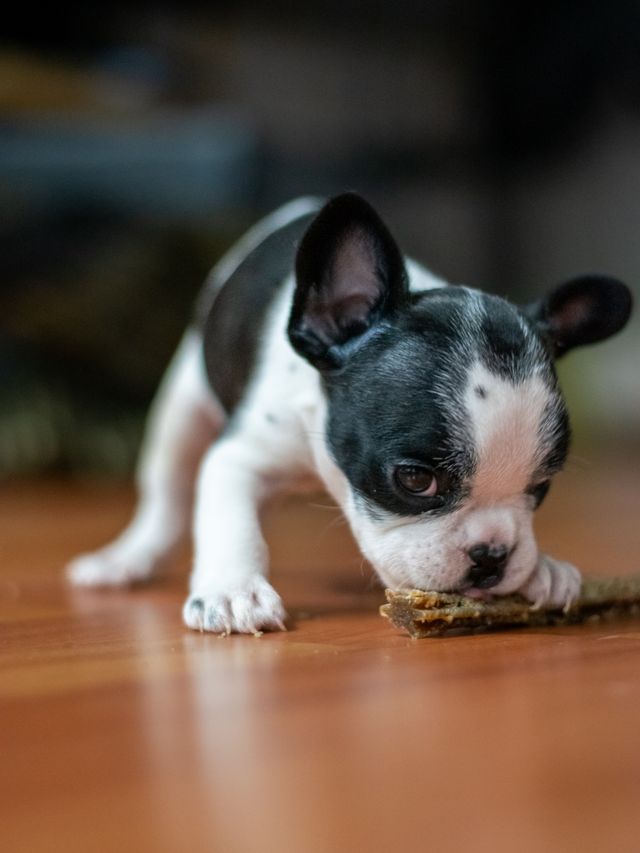
Read the Label Before You Buy
Marketing words can be misleading.
Instead of focusing on words like “premium” or “natural,” check the ingredient list.
Good treats usually contain recognizable ingredients, while very long ingredient lists filled with artificial additives are worth avoiding.
If your puppy has a sensitive stomach, choosing limited-ingredient treats may also reduce the chance of digestive upset.
How Many Treats Should Puppies Get?
It's easy to overdo rewards—especially when your puppy gives you those irresistible eyes.
A good rule is that treats should account for no more than about 10% of your puppy's daily calorie intake.
If you're using many rewards during training, simply reduce the amount of food at mealtime slightly to keep your puppy at a healthy weight.
If you're working on teaching basic commands, you might also enjoy our guide on How to Teach Your Dog Not to Eat Things Off the Ground, which explains how rewards can be used to encourage safer habits during walks.
Different Treats for Different Jobs
No single treat is perfect for every situation.
For example:
- tiny soft treats work best for obedience training
- freeze-dried meat treats are excellent for high-value rewards
- dental treats can occasionally support oral hygiene
- limited-ingredient treats are often ideal for sensitive puppies
Having two or three different types available helps keep training interesting.
Common Mistakes Puppy Owners Make
Many owners unintentionally make treats less effective.
Some common mistakes include:
- giving rewards too late
- choosing treats that are too large
- overfeeding throughout the day
- constantly changing brands
- using treats instead of praise and play
Treats work best when they're combined with encouragement, affection, and consistency.
If you're just beginning your training journey, our article First Week Puppy Training shares simple routines that help puppies learn faster without becoming overwhelmed.
Final Thoughts
Choosing the best puppy treats isn't about buying the most expensive bag on the shelf.
It's about finding safe, nutritious rewards that motivate your puppy while supporting healthy growth. Small, high-quality treats, used wisely, can turn everyday training into something your puppy genuinely looks forward to.
With the right treats—and plenty of patience—you'll be building good habits that last a lifetime.
FAQ
What treats are best for puppy training?
Small, soft treats made with real meat are usually the easiest and quickest for puppies to eat during training.
Can puppies have treats every day?
Yes, as long as treats are given in moderation and don't replace a balanced puppy diet.
Should I avoid grain-free treats?
Not necessarily. Grain-free treats aren't automatically healthier. The overall ingredient quality matters much more than whether grains are included.
How do I know if my puppy likes a treat?
A good training treat keeps your puppy interested without upsetting their stomach. If your puppy eagerly accepts it and digests it well, it's likely a suitable choice.